
Plants
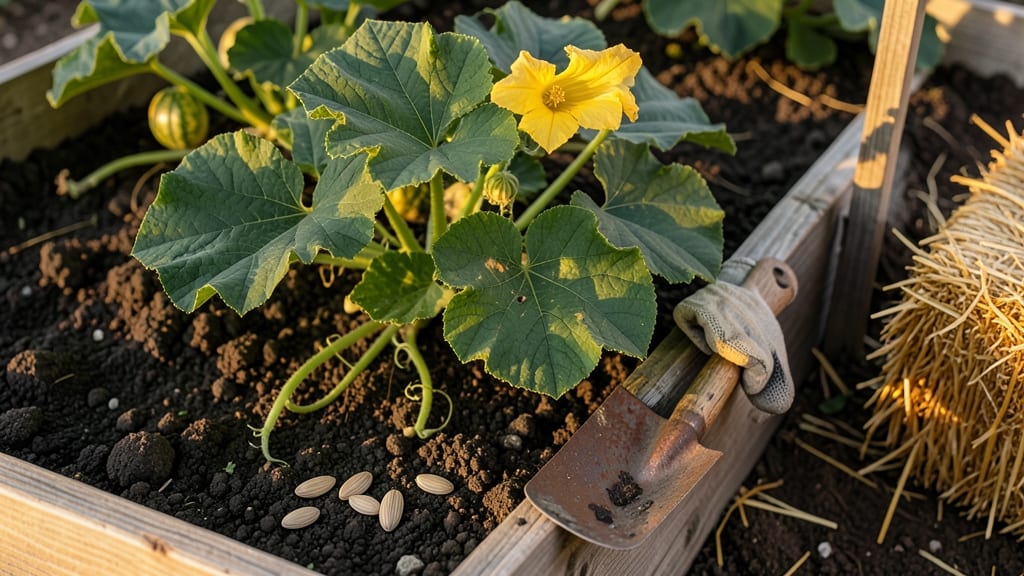
Planting pumpkin seeds in Indiana isn’t just about timing—it’s about beating the clock before frost turns your 🎃 dreams to ice. With average last-frost dates hovering around mid-April, gardeners in Zone 6a must act fast, but rushing too early can leave seedlings vulnerable to late cold snaps.
Most Indiana counties fall between USDA Zones 5 and 7, meaning your planting window narrows to just 60 days before the first frost in October.
That’s why I’ve tested the ideal mid-April to mid-May range—soil temperatures must hit at least 60°F for seeds to germinate reliably, and waiting too long risks harvests arriving after Halloween.
Whether you’re growing bush varieties like ‘Jack Be Little’ or sprawling vines like ‘Howden,’ the key is adapting to Indiana’s humidity and clay-heavy soil. I’ll show you how to pick the right variety, adjust for unpredictable weather, and even salvage a late start with row covers.
Ready to grow pumpkins that outlast the frost? Let’s break down the exact dates, soil prep, and variety choices that work best for your county’s heat zone—so you can carve your own success this fall.
Indiana’s frost-free deadlines by heat Zone: when to plant pumpkin seeds
Indiana’s USDA heat zones 5-7 create dramatic differences in frost timing—some northern counties like Lake County average May 15 for last frost, while southern Gibson County sees it by April 20.
These variations mean your pumpkin seed planting window could shift by 3 weeks depending on location. Understanding your zone ensures your 90-day pumpkins mature before October’s first frost.
Pumpkins thrive in 60°F+ soil and need 45-60 days of frost-free growth to harvest. In Indiana, this means planting mid-April to mid-May in most zones, but earlier in southern regions. Soil thermometers are your best friend—wait until the ground consistently hits 60°F before sowing seeds 1 inch deep.
Use this heat zone guide to pinpoint your county’s ideal planting window. For visual learners, I’ve included a summary table with frost dates, soil temps, and planting deadlines. Pro tip: Northern Indiana gardeners should opt for fast-maturing varieties like ‘Jack Be Little’ (75 days) to beat early frosts.
| Zone | Avg Last Frost | Planting Window | Soil Temp Threshold | County Examples |
|---|---|---|---|---|
| Zone 5 | May 10-20 | May 1-15 | 60°F+ (consistent) | Lake, Porter, LaPorte |
| Zone 6 | April 25-May 5 | April 15-May 1 | 60°F+ (consistent) | Hamilton, Marion, Vanderburgh |
| Zone 7 | April 10-20 | March 25-April 10 | 55°F+ (warmer soils) | Gibson, Posey, Switzerland |
Northern Indiana’s Zone 5 counties (like Lake County) face the biggest challenges—planting too early risks seedling frost damage, while late planting may yield underdeveloped pumpkins. Aim for May 1-15 in these areas, using black plastic mulch to warm soil faster.
Southern Zone 7 gardeners can start as early as late March, but watch for late spring frosts that can linger into April.
Soil temperature is more critical than calendar dates. Use a soil thermometer to confirm 60°F+ before planting—cold soil delays germination by 1-2 weeks. In Zone 6 (Marion County), this typically aligns with mid-April, but 2023’s late frost pushed ideal planting back to May 1 for many gardeners.
For extended growing seasons, consider row covers or cold frames to protect early seedlings. These tools add 2-3 weeks to your frost-free window, letting you plant 2 weeks earlier in Zone 5 without risk. Pair this with fast-maturing varieties like ‘Cinderella’ (80 days) to maximize your harvest potential.
Indiana’s humidity levels also play a role—southern counties often see higher fungal risks in late summer. Space your pumpkin hills 4-6 feet apart for airflow, and avoid overhead watering to prevent powdery mildew.
In Zone 7, this means planting by April 10 ensures harvest before September’s humidity spikes.
Don’t forget microclimates—your backyard might be 2°F warmer than official records. South-facing gardens or raised beds warm up faster, letting you plant 1 week earlier than your zone’s average. Use these advantages to double your yield by staggering plantings every 2 weeks in Zone 6.
When in doubt, plant a backup batch 2 weeks later. This insurance planting accounts for unpredictable Indiana weather and ensures at least one healthy harvest. For Zone 5 gardeners, this means sowing May 1 and May 15—if the first batch fails, the second will likely succeed.
Remember: Pumpkins need sunlight—choose a spot with 6+ hours of direct sun daily. In Indiana’s shady backyards, opt for bush varieties like ‘Sugar Pie’ (10-15 ft vines) instead of sprawling giants. With the right timing and variety, you’ll have Halloween-ready pumpkins every year, no matter your heat zone.
How to adjust planting dates for Indiana’s unpredictable weather patterns
Indiana’s weather can throw a curveball—one week of unseasonable warmth followed by a late frost in May. For pumpkins, this means your planting window might shrink faster than you expect.
The key is flexibility: knowing how to extend your season with tools and backup plans ensures you still get a harvest, even if Mother Nature isn’t cooperating.
Start by choosing cold-hardy varieties like ‘Jack Be Little’, which tolerates cooler soils better than standard pumpkins. Pair this with row covers or black plastic mulch to warm the soil faster. These tricks buy you 2-3 extra weeks of growing time when frost lingers longer than expected.
Here’s how to adjust your planting strategy based on Indiana’s unpredictable patterns, using a simple 3-step risk assessment:
-
Step 1: Check Soil Temperature
Wait until soil reaches 60°F+ (use a soil thermometer). In northern Indiana, this could mean waiting until late May—don’t rush! -
Step 2: Use Row Covers or Mulch
Cover seedlings with floating row covers to protect from late frosts (remove when flowers appear). Black plastic mulch warms soil 5-10°F faster than bare ground. -
Step 3: Plant a Backup Batch
Sow a second set of seeds 2 weeks later if your first planting fails. Choose fast-maturing varieties (e.g., ‘Sugar Pie’ at 75 days) to ensure a harvest before frost.
If frost hits early, don’t panic—‘Howden’ pumpkins (90-day variety) can still produce small fruits if given full sun and consistent water. Focus on harvesting immature pumpkins for cooking if full-size ones aren’t ready. These can be used for pies or soups!
For southern Indiana (USDA Zone 6b-7), you have more flexibility. Plant ‘Cinderella’ pumpkins in early April under row covers, then remove them by mid-May. Monitor local frost alerts and adjust your timeline accordingly—apps like Old Farmer’s Almanac provide real-time updates.
Remember, pumpkins love heat, but they also thrive with consistent moisture. If rain delays planting, prioritize well-draining soil to prevent rot. A raised bed can help if your garden sits in a frost pocket—it warms up faster and drains better.
By combining cold-hardy varieties, season-extending tools, and a backup plan, you’ll turn Indiana’s unpredictable weather into an advantage. Even a late frost won’t stop you from carving your own pumpkin this Halloween! 🎃