
Flowers
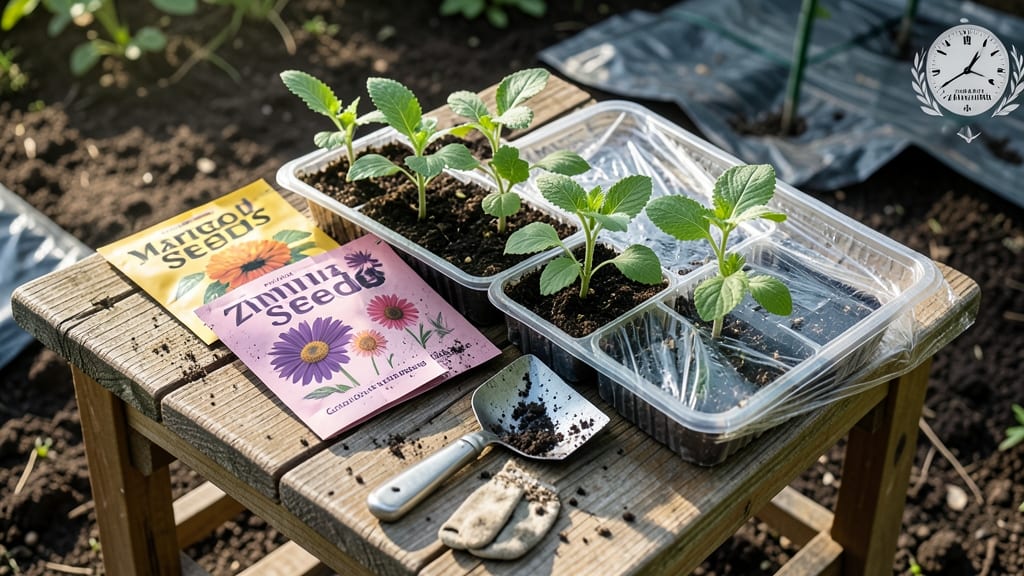
Planting flower seeds in Indiana at the wrong time means risking frost damage or missing the full bloom season—neither of which you want when you’ve waited all winter for your garden to shine.
With Indiana’s USDA Zone 6a climate, the key is knowing exactly when to start seeds indoors or sow them directly outdoors to beat those unpredictable late frosts.
Most Indiana gardeners know the general rule: spring is the prime time for planting 🌸—but without precise timing, even the hardiest flowers can struggle. Whether you’re dreaming of vibrant annuals or long-lasting perennials, getting the dates right ensures stronger roots, faster blooms, and fewer headaches when summer heat arrives.
In this guide, I’ll break down the exact planting windows for Indiana’s two main seasons—spring and fall—so you can avoid common mistakes like sowing too early or too late. You’ll also discover which flowers thrive best in your zone and how to prep your soil for zero-frost success.
Ready to transform your garden into a burst of color? Let’s dive into the best strategies for planting flower seeds in Indiana, tailored to your local climate and bloom goals.
Indiana flower seed planting calendar by season: exact dates for zero-frost success
Indiana’s USDA Zone 6 climate demands precision when planting flower seeds. The average last frost date in northern Indiana is around April 15, while southern regions may see frost-free conditions by April 1.
Missing these windows can mean lost blooms or stunted growth. My strategy? Plan for two critical planting seasons: spring (March-May) and fall (August-September), with adjustments for cold-hardy annuals and perennial roots.
For spring planting, start indoor seeds in late February for heat-loving varieties like marigolds and zinnias. Direct-sow cool-season flowers like pansies and snapdragons as early as March 1 in southern Indiana or March 15 in the north.
The goal? Beat frost while giving plants time to establish before summer heat arrives.
Summer planting focuses on heat-tolerant annuals like cosmos and sunflowers. Sow these directly outdoors from May 15 to June 15, ensuring soil stays consistently moist during germination.
Fall planting shifts to cool-season bloomers—think asters and calendulas—sown 6-8 weeks before first frost (typically August 15 in the north, September 1 in the south).
My pro tip: Use Indiana’s frost-free date calculator (available through Purdue Extension) to adjust for microclimates. Urban areas like Indianapolis often warm up 3-5 days earlier than rural zones. For perennials, sow seeds 4-6 weeks before last frost—this gives roots time to establish before summer heat peaks.
Summer planting requires extra attention to soil moisture. I’ve found that drip irrigation or soaker hoses keep seeds from drying out during Indiana’s hot, humid summers. For fall blooms, focus on drought-resistant varieties like coneflowers or black-eyed Susans, which thrive with minimal summer watering.
Don’t overlook
Best flowers to plant in Indiana by season: fast-growing vs. long-blooming varieties
Indiana’s USDA Zone 6 climate rewards gardeners who time their plantings right. Some flowers like cosmos and marigolds sprout quickly, perfect for late starts, while peonies and black-eyed Susans need early prep for full-season color.
Choosing the right varieties ensures blooms from spring through fall, even with Indiana’s unpredictable weather. Native species like coneflowers also thrive with minimal fuss.
For fast-growing annuals, prioritize seeds that germinate in 7–14 days—ideal for gardeners who miss the early spring window. These varieties compensate for late frosts or delayed planting.
Meanwhile, perennials like daylilies and bee balm establish roots early, rewarding patience with years of blooms. Balance your garden with a mix of both for continuous color.
🌱 Numbered Highlights: Indiana’s Top Flowers by Season & Bloom Speed
- 🌸 Spring (March–April): Sweet peas (fast, cool-tolerant) + peony (slow, long-lived)
- ☀️ Summer (May–June): Cosmos (fast, drought-resistant) + black-eyed Susan (slow, perennial)
- 🌿 Fall (August–September): Marigolds (fast, pest-repellent) + asters (slow, late-season blooms)
- 🌼 Native Picks: Coneflowers (drought-tolerant) + butterfly weed (low-maintenance)
Spring planters should start peony seeds indoors by February for early blooms, while cosmos can wait until late May—they germinate in days. Drought-resistant varieties like lantana and salvia are ideal for Indiana’s hot summers, needing minimal water once established.
Pair them with shade-tolerant options like impatiens for versatile garden spots.
Indiana’s humid summers demand disease-resistant flowers like zinnias or geraniums. Avoid overwatering—most blooms wilt faster in soggy soil. For long-lasting perennials, Russian sage and sedum thrive with full sun and well-draining soil, offering minimal upkeep. Native wild bergamot attracts pollinators while surviving Indiana’s heavy clay soils.
Fall planting in August–September lets pansies and snapdragons bloom into winter. These cool-season flowers handle light frosts, extending your garden’s life. For year-round interest, mix evergreen hellebores (winter blooms) with spring bulbs like daffodils. Mulch heavily in Zone 6 to protect roots during late-season cold snaps.
Pro tip: Group fast growers like marigolds with slow starters like peonies—this creates instant color while perennials establish. Use container gardens for heat-sensitive varieties like petunias, moving them to shade during July’s peak temperatures.
With these strategies, Indiana gardens burst with blooms from April to October—no gaps, no guesswork. 🌻