
Plants
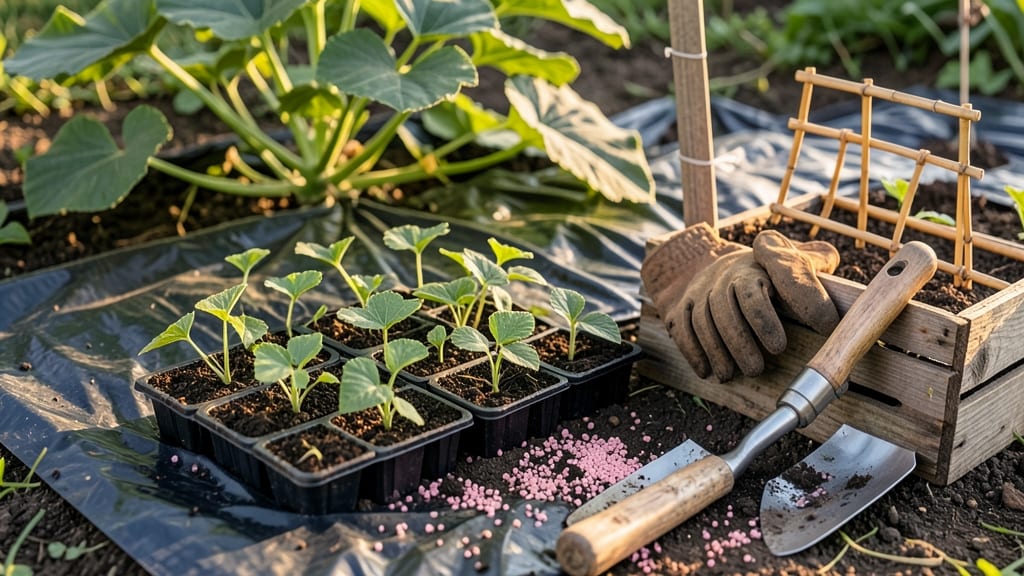
Planting pumpkins in Oregon isn’t just about timing—it’s about unlocking a harvest of 🎃 that rivals any grocery store.
With the state’s varied climate, from misty coastal zones to sunbaked inland valleys, getting your seeds in the ground at the right moment means the difference between a thriving vine and a sad, wilted disappointment.
Most Oregon gardeners wait until late April or early May to plant, once the last frost has passed and the soil warms up. But here’s the catch: coastal areas like the Willamette Valley may need to start earlier, while high-desert regions can push planting into early June for late varieties.
The key is matching your zone—whether you’re in 7b or 9a—to the frost-free window that gives your pumpkins 90-120 days to mature.
Whether you’re growing sugar pies for baking or jack-o’-lanterns for carving, the right timing also depends on your variety. Some pumpkins, like the fast-maturing ‘Jack-Be-Little,’ can handle a later start, while heirlooms need that perfect early window.
I’ll break down exactly when to plant in each Oregon zone, plus pro tips to stretch your growing season naturally—because nobody wants to miss out on that first pumpkin of the season.
Ready to turn your garden into a pumpkin patch? Let’s dive into the frost-free timeline that’ll have you harvesting by fall, no matter where in Oregon you’re planting.
Oregon pumpkin planting calendar by USDA hardiness zones (5-8)
Oregon’s diverse microclimates mean your pumpkin planting window could vary by 4-6 weeks depending on whether you're in the Willamette Valley, Columbia Gorge, or eastern Oregon high desert.
Getting the timing right ensures your 90-day varieties mature before first frost, while shorter-season types thrive in cooler zones. Let’s break down the exact weeks to plant for each zone, including when to start winter vs. summer varieties.
Most Oregon gardeners aim to plant pumpkins 2-3 weeks after the last frost date, but soil temperature matters more than air temperature. Cold soil (below 60°F) delays germination, so use black plastic mulch or wait until soil warms to 70°F+.
In Zone 5 (eastern Oregon), this often means late May planting, while Zone 8 (southern Willamette Valley) can start as early as mid-April.
The key to Oregon pumpkin success is understanding your frost-free window. With 160-180 frost-free days in most zones, you’ll need to choose varieties that fit. Summer varieties (like Jack-Be-Little) mature in 75-85 days, while winter varieties (like Sugar Pie) need 100+ days.
Planting too late risks immature harvests, while starting too early may lead to overripe pumpkins before frost.
| USDA Zone | Region | Last Frost Date | Ideal Planting Window | Summer Varieties (75-85 days) | Winter Varieties (100+ days) |
|---|---|---|---|---|---|
| Zone 5 | Eastern Oregon (Bend, La Grande) | May 10-15 | May 20 - June 5 | ✅ Direct sow only | ❌ Avoid (too short season) |
| Zone 6 | Columbia Gorge, Central Oregon | April 25 - May 5 | May 10 - May 25 | ✅ Direct sow or transplants | 🟡 Start early (May 10) |
| Zone 7 | Willamette Valley (Salem, Eugene) | April 15 - April 25 | April 25 - May 15 | ✅ Direct sow or transplants | ✅ Ideal for Sugar Pie |
| Zone 8 | Southern Willamette Valley (Medford, Roseburg) | March 20 - April 5 | April 1 - April 20 | ✅ Direct sow or transplants | ✅ Best for winter varieties |
💡 Tip: Use row covers to extend Zone 5/6 seasons by 2-3 weeks.
For Zone 5 gardeners in eastern Oregon, focus on compact varieties like Jack-Be-Little or Waltham Butternut, which mature in 80-85 days. Plant after May 20 to avoid early frost risks. Use black plastic mulch to warm soil faster, and choose south-facing slopes for extra heat.
In Zone 6 (Columbia Gorge), you have more flexibility—start summer varieties by May 10 and winter types by May 15.
In the Willamette Valley (Zone 7), where frost dates are earlier, aim to plant by May 15 for summer pumpkins and April 25 for winter varieties.
This zone thrives with Sugar Pie or Cinderella pumpkins, which store well for holiday displays. Southern Oregon (Zone 8) is the gold standard—plant as early as April 1 for full-size winter pumpkins, but watch for late spring rains that can cause fungal diseases.
If you’re in a cooler pocket (like the Oregon Coast or mountain valleys), opt for transplants instead of direct sowing. Start seeds indoors 3-4 weeks before your target planting date, then transplant after soil reaches 70°F.
Best pumpkin varieties for Oregon’s climate & their ideal planting windows
Choosing the right pumpkin varieties for Oregon’s microclimates ensures a bountiful harvest. Coastal areas like Astoria need early-maturing types, while inland zones like Bend can handle longer-season varieties. Let’s explore the top 5 pumpkins that thrive here, ranked by suitability and planting strategy.
Oregon’s USDA Zones 7b-9a create diverse conditions—from cool coastal fog to hot inland summers. Your planting window depends on whether you direct-sow seeds or use transplants, with late April to early May being ideal for most varieties after the last frost. Let’s dive into the best options.
🎃 Comparison Table: Oregon Pumpkin Varieties & Planting Windows
| Variety | Type | Days to Maturity | Planting Method | Best For | Oregon Zone Fit |
|---|---|---|---|---|---|
| Sugar Pie | Miniature | 85-90 days | Direct-sow or transplant | Pie baking, carving | Coastal (7b-8a) |
| Jack-Be-Little | Miniature | 90 days | Direct-sow | Carving, containers | All zones (7b-9a) |
| Cinderella | Medium | 100-110 days | Transplant | Carving, storage | Inland (8a-9a) |
| Howden | Large | 110-120 days | Direct-sow | Jack-o'-lanterns | Inland (8b-9a) |
| Waltham Butternut | Winter | 100 days | Transplant | Cooking, storage | Coastal to inland (7b-9a) |
For coastal Oregon, prioritize early-maturing varieties like Sugar Pie or Jack-Be-Little, which mature in 85-90 days. These are perfect for direct-sowing after your last frost date (typically mid-April). In inland areas, longer-season types like Cinderella or Howden thrive with transplanting in early May.
If you’re in Zone 7b (e.g., Eastern Oregon), start transplants indoors by mid-March to extend your growing season. For Zone 9a (e.g., Hood River Valley), you can even direct-sow in late April for a fall harvest.
Always space vines 4-5 feet apart to prevent disease and ensure proper airflow.
Pro tip: Use black plastic mulch to warm the soil faster in cooler zones, accelerating growth by 10-14 days. This is especially helpful for Jack-Be-Little, which struggles in foggy coastal conditions without extra warmth.
For storage pumpkins like Waltham Butternut, aim to harvest by early October before first frost hits.
Remember, Oregon’s diverse microclimates mean your neighbor’s perfect harvest might not work for you. Experiment with 1-2 varieties per zone, and keep detailed notes on maturity dates