
Plants
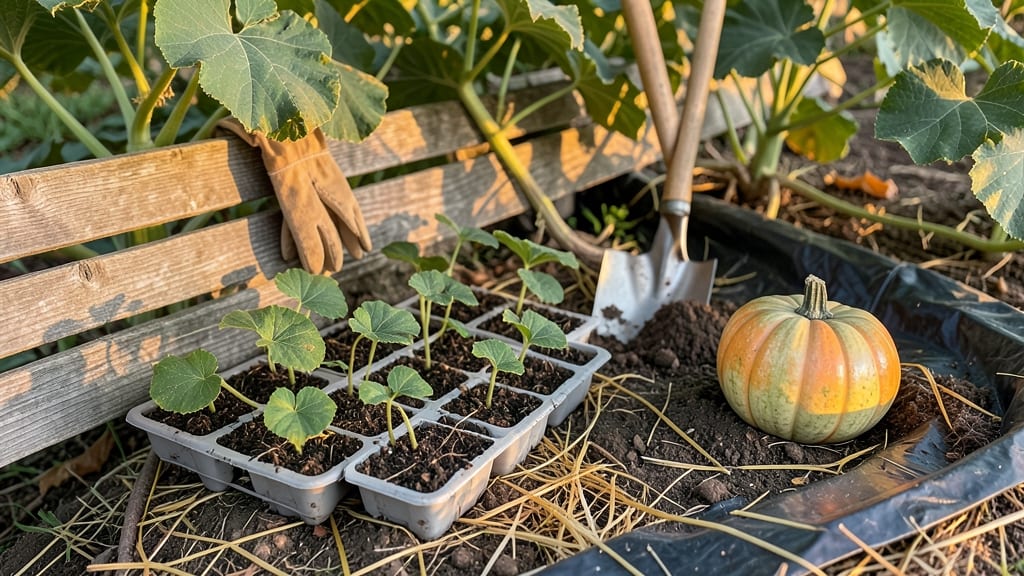
Planting pumpkins in Washington State isn’t just about timing—it’s about beating frost and making sure your 🌱 seeds germinate fast before summer slips away. The wrong schedule means wasted effort, while the right one unlocks a bountiful harvest.
Whether you’re in the rainy Pacific Northwest or the drier inland areas, knowing exactly when to plant is the key to success.
Most gardeners in Washington start pumpkin seeds indoors 4-6 weeks before the last frost date, which typically falls between late April and early May, depending on your region.
Direct sowing outdoors usually happens once soil temperatures hit 60°F, usually around mid-May for western areas and early June for cooler eastern zones.
Why does timing matter so much? Pumpkins need a long growing season—between 75-90 days to maturity—and Washington’s unpredictable weather can cut that short. By following the right schedule, you’ll avoid stunted growth and ensure your pumpkins thrive before the first frost arrives in fall.
In this guide, I’ll break down the best planting months for your specific area, share soil prep tips to speed up germination, and recommend the fastest-growing pumpkin varieties for Washington’s climate. Let’s get those seeds in the ground at the perfect moment!
Best pumpkin planting months in Washington State by region (with frost zones)
Washington State’s three distinct climate zones create wildly different planting windows for pumpkins. The Marine West Coast of Western WA stays cooler longer, while Eastern WA’s semi-arid climate warms up faster.
Even the Puget Sound region has microclimates where timing can mean the difference between a bountiful harvest and a failed crop. Let’s break down the exact planting months and frost considerations for each area.
Pumpkin seeds need soil temperatures above 60°F to germinate properly. In cooler zones like Western WA, this often means waiting until late May or early June. Meanwhile, Eastern WA gardeners can start as early as mid-April in sheltered areas.
Understanding your last frost date and first frost date is critical—pumpkins need 90-120 frost-free days to mature fully.
Here’s how to match your region’s climate to the perfect planting schedule, including both direct sowing and transplanting methods:
| Region | USDA Zone | Last Frost Date | Direct Sowing Window | Transplant Window | Ideal Soil Temp | Notes |
|---|---|---|---|---|---|---|
| Western WA (Marine West Coast) | Zones 7b-9a | Mid-April to early May | Late May to early June | Mid-May (after last frost) | 60-65°F | Use black plastic mulch to warm soil faster |
| Puget Sound (Coastal) | Zones 7b-8b | Early to mid-May | Early to mid-June | Late May (after last frost) | 60-65°F | Choose fast-maturing varieties like 'Jack Be Little' |
| Eastern WA (Semi-Arid) | Zones 4b-7a | Mid-April to early May | Mid-April to late May | Early to mid-May | 65-70°F | Soil warms faster; start earlier in sheltered areas |
| Columbia Basin | Zones 6a-7a | Early April | Late March to early April | Early April | 70°F+ | Longest growing season; can plant earliest |
For Western WA and Puget Sound, where cooler soils delay germination, I recommend using black plastic mulch or row covers to raise soil temperatures by 5-10°F. This can shave off 2-3 weeks from your planting window.
In Eastern WA, where the climate is drier, focus on watering deeply after planting to encourage root establishment in the warmer, drier soil.
If you’re transplanting pumpkin seedlings, start them indoors 3-4 weeks before your region’s last frost date. Seedlings need hardening off for at least 7-10 days before going outside.
In Western WA, this means starting seeds indoors by mid-April, while Eastern WA gardeners can begin as early as mid-March in a sunny window.
One common mistake is planting pumpkins too early in cooler zones. If you plant in April in Western WA, your seeds may rot in cold, wet soil. Instead, wait until the soil reaches 60°F—use a soil thermometer to check.
In Eastern WA, where the ground warms faster, you can plant 2-3 weeks earlier than Western counterparts.
For Puget Sound gardeners, microclimates matter. Coastal areas near Olympia or Tacoma stay cooler longer, while inland spots near Everett or Bellingham can mimic Eastern WA conditions.
Pay attention to local frost patterns—some years, the last frost in Puget Sound can occur as late as June 1, pushing planting dates back.
Remember, pumpkins are heavy feeders and need plenty of
How to time pumpkin planting for fast germination in Washington’s climate
Washington’s cooler, damp soils can slow pumpkin germination to a crawl if you don’t prepare properly. The key to fast, healthy starts lies in soil warming, seed pre-treatment, and strategic planting timing.
I’ve learned that even a 5°F soil temperature difference can mean the difference between germination in 5 days versus 2 weeks. Let’s break down my proven methods for beating Washington’s climate challenges.
First, test your soil temperature before planting—pumpkin seeds need at least 60°F soil to sprout reliably. In Western WA’s Marine West Coast zone, this often means waiting until late May or early June, while Eastern WA’s semi-arid regions can plant as early as mid-April if nights stay above freezing.
I’ve had the best luck using a soil thermometer for 3 days in a row to confirm consistency.
- 🔥 Warm your soil: Lay black plastic mulch 1-2 weeks before planting to raise soil temps by 10-15°F. Remove it just before sowing to avoid overheating seeds.
- 💧 Soak seeds overnight: Place pumpkin seeds in a warm, damp paper towel for 12-24 hours before planting. This triples germination speed in cool soils.
- ☀️ Use row covers: After planting, cover seeds with floating row fabric to create a 5-10°F warmer microclimate. Remove when seedlings emerge (about 7-10 days).
- 🌿 Plant with companions: Interplant pumpkins with nasturtiums or marigolds to deter pests and improve soil warmth through shade reduction.
- 📋 Prevent damping-off: Mix 1 tbsp cinnamon per gallon of soil at planting to inhibit fungal growth. Avoid overhead watering until seedlings are 2 inches tall.
One mistake I made early on was planting pumpkins too deep—burying seeds more than 1 inch deep forces seedlings to struggle to surface, delaying emergence by up to a week. Instead, plant seeds 1 inch deep and 3 feet apart in hills, with 5-6 seeds per hill.
Thin to the strongest 2 plants per hill once they’re 3 inches tall to reduce competition.
For extra insurance against Washington’s unpredictable weather, I recommend starting seeds indoors 2-3 weeks before your target outdoor planting date. Use biodegradable pots and transplant seedlings when they have 2 true leaves.
Harden them off for 5-7 days by placing them outside during the day and bringing them in at night to avoid transplant shock.
Finally, monitor your pumpkin patch daily after planting. Consistent moisture is critical—water deeply every 2-3 days to keep soil 1-2 inches moist. Use a drip irrigation system to avoid wetting foliage, which can trigger powdery mildew, a common issue in WA’s humid summers.
Within 7-10 days, you should see sprouts if your soil was warm enough.
If you follow these steps, you’ll see faster germination, healthier seedlings, and a longer harvest window—even in Washington’s cooler climate. The secret isn’t just timing; it’s preparing your soil and seeds to work with your local conditions. Happy planting! 🌿