
Plants
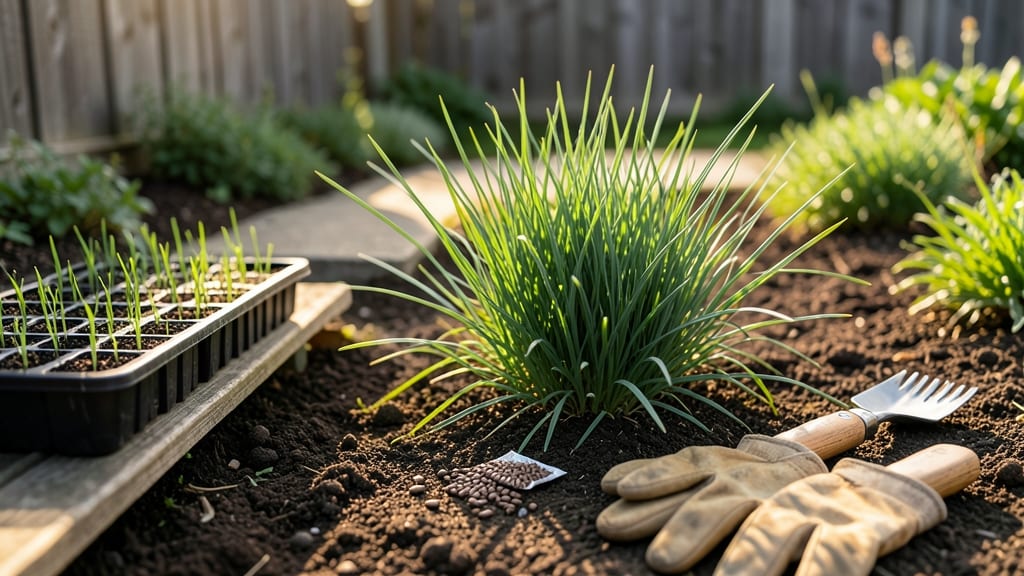
Planting rye grass at the right time in Texas isn't just about waiting for fall—it's about giving your lawn a fast start before winter sets in.
If you seed too early, the summer heat will stress your grass before it even takes root, while planting too late risks weak growth before the first frost. The key window is late summer to early fall, but Texas' diverse climate zones mean timing varies from North to South.
For most of Texas—especially zones 8a-10b—the ideal planting window is between August and October. This gives rye grass 4-6 weeks to establish roots before winter slows growth. In North Texas, aim for early September, while South Texas gardeners can extend planting into early October thanks to milder temperatures.
The goal? A thick, resilient cover before the first frost hits.
Why does timing matter so much? Rye grass thrives in cooler weather but needs warmth to germinate. Planting too soon means battling heat stress, while waiting too long leaves your lawn vulnerable to weeds or winter damage.
The solution? Test your soil, adjust for your specific zone, and follow Texas A&M’s recommendations for fast, deep root development.
Whether you're overseeding an existing lawn or planting a cover crop, this guide will help you avoid common mistakes and get the most out of your rye grass. Let’s dive into the exact steps for your region—so you can enjoy a lush, green lawn come spring.
Best fall planting dates for rye grass in Texas by region
Texas stretches from USDA Zone 7b in the Panhandle to Zone 10b along the Gulf Coast, creating wildly different frost patterns. Rye grass thrives when planted 4-6 weeks before the first frost—but that window shifts dramatically from North Texas to South Texas.
In colder zones, aim for mid-August to early September; in warmer areas, wait until late September to October. Soil temperatures should hover around 60-70°F for optimal germination.
For North Texas (Zones 7b-8a), first frosts typically hit mid-November to December 15. Plant rye grass seeds between August 15 and September 15 to give roots time to establish before winter.
This region’s hot summers and cold winters demand precise timing—plant too early, and seeds may bake in 100°F+ soil; too late, and frost will stunt growth.
Central Texas (Zones 8a-8b) offers a slightly longer window, with first frosts arriving November 1 to December 1. Target late August through October 1 for planting.
The Hill Country’s limestone soils drain quickly, so irrigate consistently after seeding. Pro tip: Use a lightweight straw mulch to retain moisture during Texas’ unpredictable fall rains.
In South Texas (Zones 9a-10b), mild winters mean later planting—September 15 to October 31—with first frosts often delayed until December 15 or later. The Gulf Coast’s humidity can cause fungal issues, so avoid overhead watering and choose disease-resistant varieties like 'Marshall' or 'Wintergreen'.
Soil temps stay warmer longer, so you can push planting closer to November 1 if needed.
| Region | USDA Zone | First Frost | Ideal Planting Window | Soil Temp Goal | Adjust for Late Frost? |
|---|---|---|---|---|---|
| North Texas | 7b-8a | Mid-Nov to Dec 15 | Aug 15–Sep 15 | 60–70°F | Yes (plant by Sep 10) |
| Central Texas | 8a-8b | Nov 1–Dec 1 | Late Aug–Oct 1 | 60–70°F | Yes (plant by Oct 15) |
| South Texas | 9a-10b | Dec 15+ | Sep 15–Oct 31 | 65–75°F | No (humidity risk) |
Adjust your planting date if unseasonable freezes threaten. Check the National Weather Service or Texas A&M AgriLife Extension for 10-day forecasts. In North Texas, an early frost in October might push planting to mid-September, while South Texas gardeners can often wait until November 1 without risk.
Always test soil moisture—dry clay soils in West Texas need extra irrigation post-seeding.
For overseeding existing lawns, reduce the window by 2 weeks to avoid competition. Rye grass grows faster in cooler temps, so September plantings in Central Texas often outperform October ones.
Use a slit seeder to bypass established grass and reach mineral-rich subsoil. In East Texas, where humidity lingers, opt for disease-resistant seed blends like 'TAMU 2000'.
Monitor soil temperatures with a soil thermometer—ideal germination occurs at 60-70°F. In West Texas, daytime highs can still hit 90°F in September, stressing seeds.
If temps exceed 85°F, water deeply at dusk to cool the soil. Mulch with straw (not hay) to retain moisture and regulate temps.
Post-pl
How to prepare soil and seed for maximum root growth in Texas
Texas’ clay-heavy soils and variable rainfall demand special prep to give rye grass the best start. Before seeding, focus on soil aeration, pH adjustment, and proper seedbed conditions to encourage deep root penetration.
Skipping these steps can leave your lawn struggling with poor drainage or nutrient deficiencies—especially in our hot, dry summers and freeze-prone winters.
Start by testing your soil’s pH level with a home kit or send a sample to the Texas A&M AgriLife Extension. Rye grass thrives in pH 6.0–7.0, but Texas soils often lean alkaline.
If your reading is above 7.5, amend with sulfur or peat moss to lower the pH gradually. For compacted clay soils, till or aerate to a depth of 3–4 inches to improve water infiltration and root expansion.
⚠️ callout-warning
⚠️ Texas-Specific Warning: Avoid Over-Amending
Texas clay soils hold nutrients tightly but can become waterlogged if over-amended with organic matter. Use composted bark (not fresh) at 1 inch max—too much can smother seeds. For sandy soils (common in West Texas), mix in 1 part compost to 3 parts native soil to retain moisture without suffocating roots.
💡 Pro Tip: Test soil moisture 2 inches deep—if dry, water deeply before seeding to trigger germination.
For seed depth, scatter rye grass seeds ¼–½ inch deep in well-prepped soil. Use a drop spreader for even coverage, aiming for 10–15 lbs per 1,000 sq ft.
Lightly rake the area to ensure seed-to-soil contact, which is critical for consistent germination in Texas’ unpredictable fall rains. If seeding in August–September, prioritize morning watering to prevent fungal issues from evening moisture.
Irrigation is your next critical step. Rye grass needs 1–1.5 inches of water weekly during establishment, but deep, infrequent watering (2–3 times per week) encourages deeper roots. Use a soaker hose or drip system to avoid surface runoff on clay soils.
In North Texas, reduce watering as temperatures drop below 50°F to prevent winterkill. For South Texas, extend watering into early November to support root growth before the first frost.
After seeding, apply a thin layer of straw mulch (¼ inch) to protect seeds from bird foraging and sudden temperature swings. Avoid heavy mulch—it can smother emerging shoots.
Monitor for even moisture; let the top ½ inch of soil dry between waterings once germination occurs (typically 7–14 days). For clay-heavy areas, consider a gypsum amendment (10 lbs per 100 sq ft) to improve soil structure over time.
Finally, fertilize lightly 4–6 weeks after seeding with a low-nitrogen starter fertilizer (e.g., 10-10-10) to avoid burning tender roots. Texas’ high heat and low humidity in late fall can stress young plants, so prioritize root health over top growth.
By following these steps, your rye grass will develop a deep, drought-resistant root system—ready to thrive through Texas’ winter freezes and spring heat waves.