
Plants
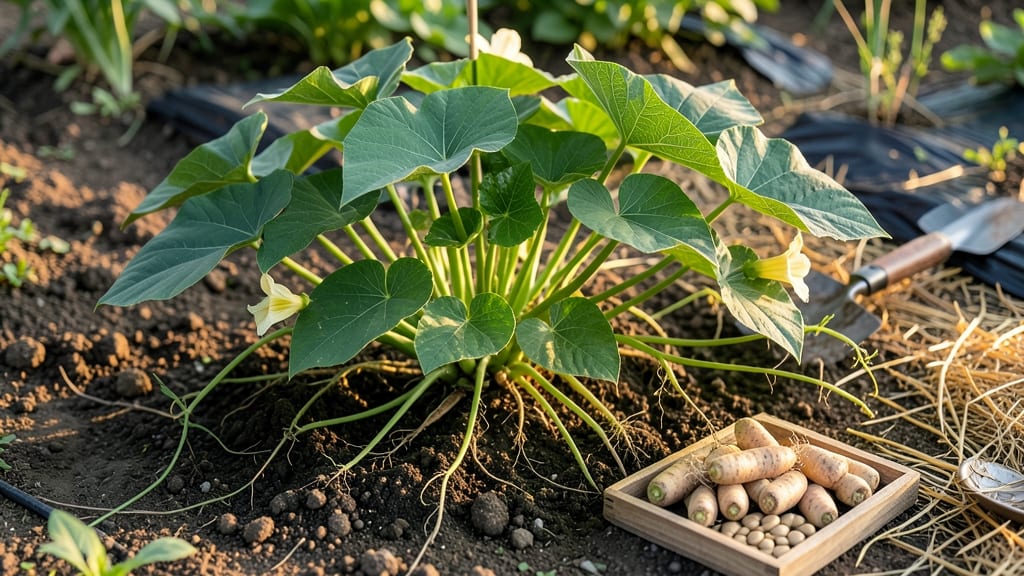
Planting sweet potatoes in North Carolina at the wrong time can mean lost harvests—because unlike other veggies, these 🍠 roots need consistent warmth to thrive.
The key isn’t just avoiding frost (though that’s critical); it’s waiting for soil temperatures to hit 65°F or higher, which typically happens in late May or early June across most of the state.
Why does timing matter so much? Sweet potatoes are tropical plants at heart, and cool soil slows germination or even kills young slips. In zones like 7a-8b, planting too early risks exposure to late frosts, while waiting too long may shorten your growing season before fall harvest.
The sweet spot? June offers the perfect balance of warmth and moisture for strong root development.
If you’re using slips (young plants), they’ll establish faster than seeds, giving you a head start on the 90-110 days until harvest. But even with slips, soil prep is everything—loose, well-draining beds with composted organic matter help prevent diseases like black rot, a common issue in North Carolina’s humid summers.
Ready to grow? I’ll walk you through the exact steps to time your planting, choose the best varieties for your region, and keep pests at bay—so you can enjoy homegrown 🍠 from your garden by October. Let’s get started.
Best planting months for sweet potatoes in North Carolina (with frost-free guarantees)
Sweet potatoes love North Carolina’s long growing season, but timing is critical. Planting too early risks frost damage, while late planting shortens the harvest window. The key is waiting until the soil warms to at least 65°F (18°C)—a threshold that varies by region.
In most of NC, this means late May to early June, but coastal areas can start slightly earlier.
North Carolina’s diverse climate—from the humid coastal plains to the cooler mountain regions—means planting windows shift dramatically. The USDA hardiness zones 7a-8b guide us, but local frost data is your best friend.
For example, Asheville’s last frost typically occurs by April 15, while Wilmington’s frost-free season starts two weeks earlier.
Here’s the breakdown by region, including soil temperature targets and frost-free guarantees to maximize your harvest:
For coastal NC, you can push planting to late April because the soil warms faster and frost is rare. However, avoid planting before April 15—even coastal areas can experience unexpected cold snaps. Use a soil thermometer to confirm readiness; sweet potato slips won’t germinate below 65°F (18°C).
In the Piedmont, where most NC gardeners live, early June is the safest bet. This ensures your plants have 100+ frost-free days to mature. If you’re in Zone 7a (mountains), wait until late May—soil in these elevations stays cooler longer.
Pro tip: Use black plastic mulch to warm the soil faster and extend your planting window by 1-2 weeks.
Sweet potatoes thrive in warmth and humidity, but they hate frost. Even a light frost can kill young plants, so always check your local frost-free date.
For example, Asheville’s average first frost is November 15, giving you a 210-day growing season—plenty of time for a late-June planting. In contrast, Wilmington’s longer season lets you plant as late as early July.
If you’re unsure about your exact frost dates, consult the NC State Climate Office or use their frost probability maps. These tools show 10% and 50% frost risk zones, helping you avoid planting too early.
For example, Greenville (Zone 8a) has a 50% frost risk until April 10, but by May 1, the risk drops to 10%—perfect for planting.
Once you’ve nailed your planting window, focus on soil prep. Sweet potatoes need well-draining, loose soil with a pH between 5.8 and 6.5. Work in compost or aged manure to improve fertility, and avoid fresh manure—it can burn roots and attract pests like sweet potato weevils.
In NC’s clay
How to prepare your North Carolina garden for sweet potato planting (step-by-step)
Sweet potatoes love North Carolina’s warm soil, but they need the right conditions to thrive. Before you plant, focus on three key areas: soil preparation, sunlight placement, and pest prevention.
These steps ensure your slips grow into healthy, high-yielding plants. Let’s break it down so you can create the perfect environment for your sweet potato harvest.
North Carolina’s humid climate and loamy soil are ideal for sweet potatoes, but they still need adjustments. Start by testing your soil’s pH level—aim for 5.8 to 6.5.
If your soil is too acidic or alkaline, amend it with lime or sulfur before planting. This small step prevents nutrient deficiencies and boosts tuber development.
Sweet potatoes require full sun exposure—at least 6 to 8 hours daily. Choose a spot in your garden that gets direct sunlight from morning until early afternoon. If you’re in the Piedmont region, prioritize southern or western exposures to maximize warmth and sunlight.
Now, let’s prepare your garden bed. Sweet potatoes need loose, well-draining soil rich in organic matter. Work in 2 to 3 inches of compost or well-rotted manure into the top 12 inches of soil. This improves drainage and provides nutrients for strong root growth.
- 1 Test Soil pH: Use a soil test kit to check your garden’s pH. Aim for 5.8 to 6.5. Adjust with lime (for acidic soil) or sulfur (for alkaline soil).
- 2 Choose Sunny Spot: Select a location with 6+ hours of sunlight. Avoid shaded areas where vines may grow weak and yield poorly.
- 3 Amend Soil: Mix in 2-3 inches of compost or aged manure. Sweet potatoes hate compacted soil—loosen it to encourage deep root growth.
- 4 Plant Companion Plants: Surround sweet potatoes with marigolds or radishes to deter pests like wireworms. Avoid planting near potatoes, which compete for nutrients.
- 5 Prepare Slips: If using slips, soak roots in water for 1-2 hours before planting. This helps them establish faster in NC’s heat.
Companion planting is a game-changer for sweet potatoes in North Carolina. Marigolds and radishes repel pests like wireworms and sweet potato weevils, while beans or peas fix nitrogen in the soil.
Avoid planting near potatoes or tomatoes, as they share diseases like blight. Rotate crops annually to maintain soil health.
Finally, mulch your sweet potato beds with straw or pine needles to retain moisture and suppress weeds. North Carolina’s summer heat can dry out soil quickly, so mulching keeps roots cool and hydrated.
Water deeply 1-2 times per week once plants are established, focusing on the soil—not the leaves—to prevent fungal issues.
With these steps, your North Carolina garden will be ready for high-yielding sweet potatoes. Pay attention to soil health, sunlight, and pest control, and you’ll enjoy a harvest of sweet, homegrown tubers by fall. Happy planting! 🍠