
Plants
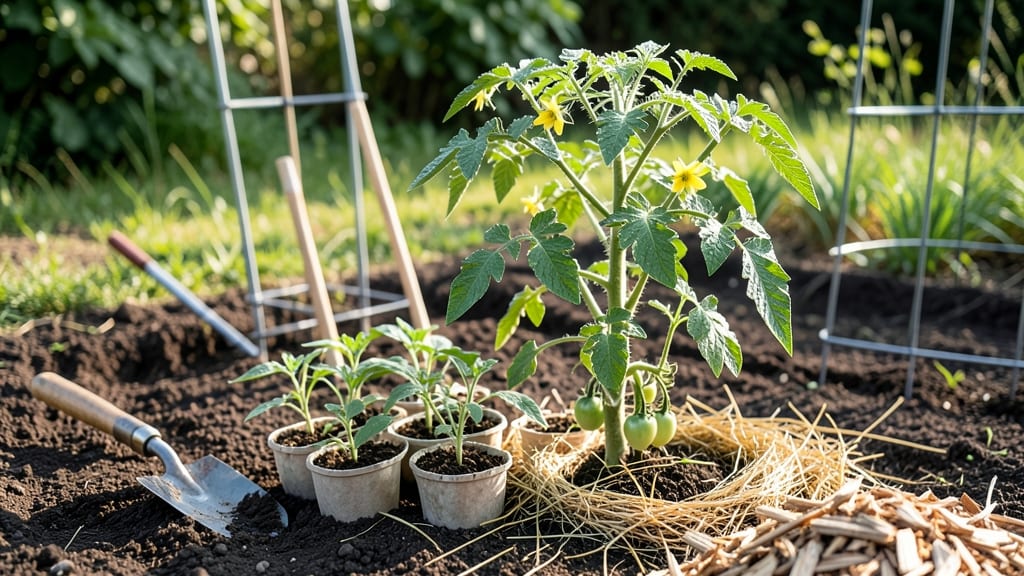
Planting tomatoes in California isn't one-size-fits-all—your 🍅 could be staring at frost one week and wilting in 100°F heat the next, depending on where you live.
The right timing means the difference between a bumper crop and sad, shriveling vines, especially when coastal chill clashes with desert heat just a few hours' drive apart.
If you're in USDA zones 8-11 (which covers most of the state), you've got options—but they're not the same. Coastal gardeners in San Francisco can start as early as February, while inland valleys like Sacramento wait until March, and high-desert areas like Palm Springs don’t even begin until April.
The key? Matching your schedule to your last frost date and soil temperature.
I’ll break down the exact planting windows for your region, plus pro tips for starting seeds indoors, transplanting seedlings, and even succession planting to stretch your harvest from summer into fall. No more guessing—just data-driven dates that actually work for California’s wild climate swings.
Ready to turn your garden into a 🍅 powerhouse? Let’s get those tomatoes in the ground at the perfect moment—because timing is everything when the weather can go from "brrr" to "boiling" faster than you can say "heirloom."
California tomato planting dates by USDA hardiness zones (with frost risk maps)
California’s USDA hardiness zones range from Zone 5 in the Sierra Nevada foothills to Zone 14 in Death Valley, creating wildly different tomato planting windows. Coastal areas like San Francisco (Zone 9-10) enjoy mild winters, while inland valleys like Sacramento (Zone 9) face frost risks until late January.
Desert regions like Palm Springs (Zone 11) can plant tomatoes year-round, but heat tolerance becomes the bigger challenge.
Timing your tomato transplants correctly means avoiding late frosts (which kill seedlings) and preventing heat stress in summer. Most California gardeners follow a simple rule: plant after your average last frost date and when soil temperatures hit 60°F.
But with microclimates varying by just miles, these dates shift dramatically—sometimes by weeks—between neighboring regions.
Below is your zone-by-zone planting guide, including frost risk maps, coastal vs. inland differences, and heat-tolerant varieties for high-desert areas. Use this to pinpoint your exact planting window and extend your harvest season.
| USDA Zone | Region Examples | Last Frost Date | Planting Window | Frost Risk | Heat Notes |
|---|---|---|---|---|---|
| 5-7 | Mount Shasta, Truckee | May 15 | Late May - June | High (late spring) | Short season; use early varieties |
| 8-10 | San Francisco, Sacramento, Los Angeles | Dec 15 - Jan 31 | Feb - April | Low (coastal), Moderate (valleys) | Coastal: long season; Valleys: heat stress risk |
| 11-13 | Palm Springs, Coachella Valley, Riverside | None (year-round) | Jan - Mar (best for heat-tolerant types) | None | 100°F+ common; use shade cloth and mulch |
| 14-24 | Death Valley, Salton Sea | None | Year-round (avoid peak summer) | None | Extreme heat; drip irrigation essential |
For Zone 8-10 (where most home gardeners live), I recommend starting seedlings indoors in January for an early transplant in March.
Coastal areas like Santa Barbara (Zone 9) can plant as early as February, while inland valleys like Fresno (Zone 9) should wait until mid-March to avoid late frosts. Use row covers if planting early in frost-prone zones.
In Zone 11+, the challenge shifts from frost to heat stress. Tomatoes planted in summer (June-August) often suffer from blossom drop or sunscald.
My trick? Plant heat-tolerant varieties like 'Heatmaster' or 'Solar Fire' in early spring (January-February) and use 50% shade cloth during peak afternoon heat. Mulch with st
How to adjust planting timing for heat-wave prone regions (Zone 10-14)
In Zone 10-14 regions like Palm Springs and the Coachella Valley, extreme heat (100°F+) makes traditional tomato planting risky. The key is timing shifts and heat mitigation—not just following standard spring schedules. I’ve grown tomatoes here for years, and these adjustments prevent heat stress while maximizing yields.
First, avoid planting outdoors during peak summer months (June–August). Instead, start seeds indoors in late winter (February) or use transplants from nurseries that specialize in heat-tolerant varieties.
This gives plants a head start before the 100°F+ temperatures arrive. My cherry tomatoes thrive when transplanted by mid-March, beating the worst heat.
Never plant tomatoes outdoors in Zone 10-14 between May and September. Even heat-tolerant varieties struggle when soil temps exceed 95°F. Instead, use these 3 critical strategies:
- ❄️ Delay planting until late winter/early spring (Feb–March) for transplants.
- 🌿 Use shade cloth (30–50%) to reduce leaf temps by 10–15°F.
- 💧 Mulch heavily with straw or wood chips to retain moisture.
Pro Tip: Drip irrigation at dawn keeps roots cool and reduces evaporation.
For shade cloth techniques, I recommend 30–50% shade during the hottest months (June–August). Install it permanently over raised beds or use movable frames for in-ground plants.
This reduces leaf temperatures by 10–15°F, preventing sunscald and blossom drop. My ‘Solar Fire’ tomatoes produce 20% more fruit with shade cloth than without.
Mulching is another game-changer in desert climates. Use 3–4 inches of straw or wood chips to lock in moisture and regulate soil temperature. I’ve seen soil temps drop 10°F cooler under mulch during 110°F+ days.
Pair this with drip irrigation to avoid wetting leaves, which invites fungal diseases like early blight.
Choose drought-resistant varieties like ‘Heatmaster’ or ‘Solar Fire’, bred to handle 95°F+ temps. These varieties set fruit in heat while others bolt. I’ve had success with ‘Black from Tula’ too—its dark skin reflects more sunlight, reducing heat stress.
Always prune suckers aggressively to focus energy on fruit production, not foliage.
Finally, extend your season with fall planting. After Labor Day, temps drop enough to transplant heat-tolerant varieties again. I’ve harvested tomatoes in November using this method. Just avoid frost (rare in Zone 10-14) by choosing fast-maturing varieties (60–70 days to harvest).
With these adjustments, you can grow tomatoes year-round in Zone 10-14—even when others are wilting. Start small, monitor soil temps, and don’t hesitate to adjust shade or water as conditions change. Your tomato harvest will thank you! 🌱☀️