
Plants
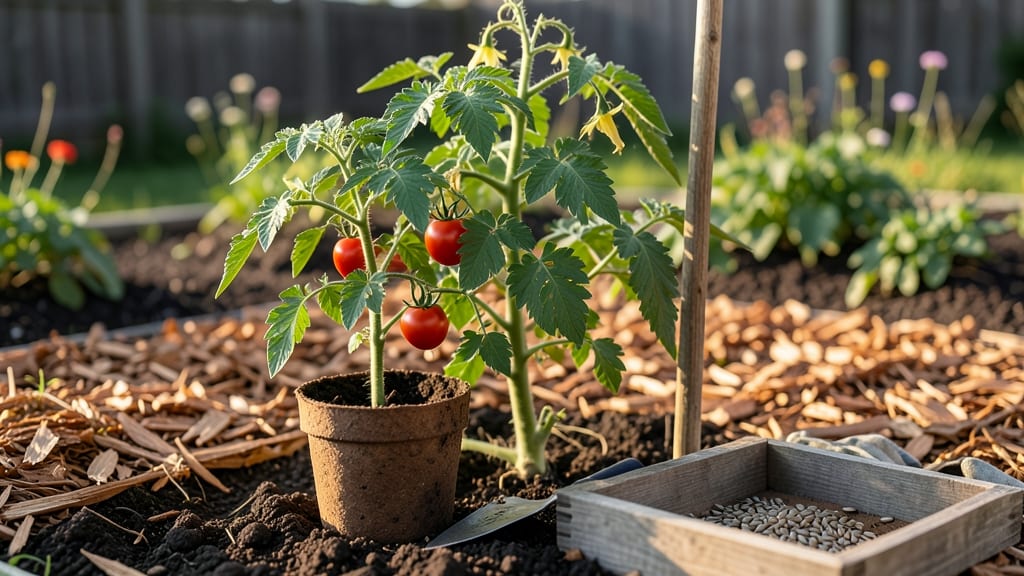
Planting tomatoes in Kentucky isn't just about grabbing seedlings and sticking them in the dirt—it's about timing your 🍅 harvest to avoid frost bites and heat stress.
The 6a-7a zones mean your window for success is narrow, but knowing exactly when to plant (and how to adjust for your county's quirks) can mean the difference between a bountiful summer harvest and a sad, wilted disappointment.
Most Kentucky gardeners wait until April 15 to transplant seedlings, but that's just the starting point. Whether you're in northern counties where frost lingers or southern regions where heat arrives early, your planting schedule needs to align with soil temperatures and weather patterns.
I'll show you how to calculate your frost-free deadline and choose the right varieties for your microclimate.
Here's the game-changer: even if you're eager to get growing, rushing your tomatoes can lead to stunted plants or fruit that never ripens. We'll cover how to start seeds indoors for an early edge, when to harden off seedlings, and how to protect your plants from Kentucky's infamous late frosts.
With these strategies, you'll maximize your harvest window from July through October.
Ready to grow tomatoes that actually thrive? Let's dive into the exact planting timeline for your county, plus pro tips to extend your season and avoid common mistakes that derail Kentucky gardeners every year.
Kentucky’s frost-free planting zones: when to start tomatoes by county
Kentucky’s USDA Zones 6a-7a create a delicate balance for tomato growers—too early, and a late frost can wipe out your seedlings; too late, and your harvest shrinks before the first frost arrives.
The key is planting after your average last frost date, but also accounting for historical extremes that can push back your window by 2-3 weeks. Northern counties like Hancock or Rowan face harsher risks, while southern regions like Hopkins or Henderson can safely plant earlier.
Tomatoes thrive when transplanted after soil warms to 60°F+ and nighttime temps stay above 50°F. For Kentucky, this typically aligns with mid-April to mid-May, but your exact timing depends on your county’s frost history.
Below, I’ve broken down the average last frost dates, earliest safe planting windows, and late-season risks by region to help you plan with confidence.
For northern Kentucky counties like Hancock or Rowan (USDA Zone 6a), the average last frost hovers around May 1-10, but I recommend waiting until May 15-20 to transplant seedlings. The risk of a late frost here is real—historical records show 30% chance of frost
How to adjust your planting schedule for Kentucky’s microclimates and weather quirks
Kentucky’s diverse geography means your neighbors might be harvesting tomatoes while you’re still waiting for frost-free conditions. Northern counties like Hopkins and Oldham face late spring frosts until May 15, while southern regions like Henderson and Union often see earlier warming by April 1.
These microclimates demand flexibility in your planting strategy to avoid heat stress or early frost damage.
To maximize your harvest, I recommend using season-extending tools like floating row covers or cold frames to push early starts in cooler zones. For example, 'Stupice' tomatoes, a cold-tolerant variety, can handle 45°F nights and give you a 3-week head start in USDA Zone 6 areas.
Meanwhile, southern gardeners should delay planting until after May 10 to avoid July heatwaves that can scorch tender seedlings.
⚠️ callout warning
🌡️ Heatwave Warning for July Planting
Kentucky’s July temperatures often hit 90°F+, creating stress for young tomato plants. If you’re in Zone 7 or warmer, avoid transplanting after June 15. Instead, use shade cloth or plant heat-tolerant varieties like 'Celebrity' or 'Solar Fire'.
Pro Tip: Water deeply at soil level (not overhead) to prevent blossom drop during heat spikes.
For succession planting, I schedule 3-week intervals between batches to ensure a continuous harvest from July through October. Start your first batch with early-maturing varieties like 'Early Girl' (60 days to harvest) in northern counties, then follow with 'Better Boy' (80 days) for a late-season boost.
In flood-prone areas like Western Kentucky, raise beds to improve drainage and plant after soil temperatures exceed 60°F.
Another trick I use is hardening off seedlings for 10-14 days before transplanting, especially in northern Kentucky where temperature swings can exceed 20°F in 24 hours. Acclimate plants to outdoor conditions by gradually increasing sun exposure and reducing watering frequency.
This toughens stems and reduces transplant shock, giving your tomatoes a stronger start.
Don’t overlook mulching to regulate soil temperature. A 3-inch layer of straw keeps roots 5-10°F cooler during July heatwaves and retains moisture for longer. I also recommend pruning suckers during peak summer to redirect energy to fruit production rather than foliage growth.
This is especially critical for indeterminate varieties like 'Brandywine', which can become overwhelmed by heat stress.
Finally, monitor your local weather forecasts for unpredictable late frosts (even in June) or tropical moisture that can trigger disease outbreaks. In my garden, I’ve used black plastic mulch to warm soil faster in cool springs and drip irrigation to deliver consistent moisture without wetting leaves.
These small adjustments can mean the difference between a bountiful harvest and a disappointing yield.