
Plants
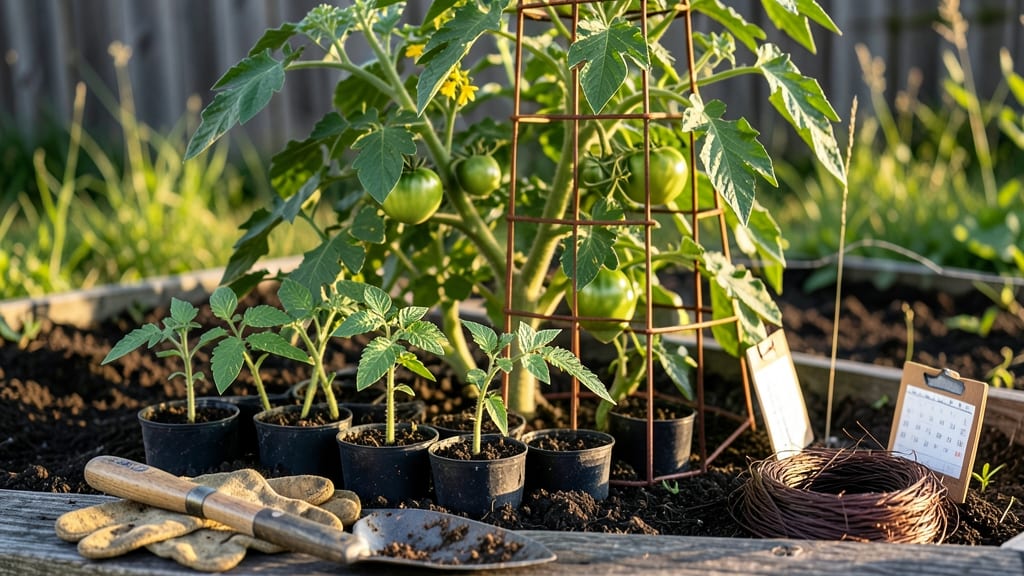
Planting tomatoes in Ohio at the wrong time can mean the difference between a bountiful harvest and a sad, frost-nipped failure.
The ideal window for getting your 🍅 plants in the ground opens around mid-April, but knowing exactly when to start seeds indoors—or when to transplant seedlings—depends on your local frost dates and microclimate.
Ohio’s USDA Zone 6a gardeners face a tight timeline, with last frost typically landing in mid-April. That means if you’re starting seeds indoors, you’ll need to begin them 6-8 weeks before that date.
For those in southern Ohio, where springs arrive earlier, you might even squeeze in a late-March start—but northern Ohio gardeners should wait until early May to avoid frost surprises.
This guide will break down the exact frost-free deadlines for your zone, whether to plant seeds directly or transplant seedlings, and how to adjust for early or late springs.
You’ll also discover pro tips to extend your growing season, like using row covers or cold frames, so you can maximize every sunny day in Ohio’s 165-day frost-free window.
Whether you’re a first-time gardener or a seasoned pro, getting your tomato planting schedule right is the key to avoiding common mistakes that waste time, money, and effort. Let’s make sure your 🍅 plants thrive from the first warm day until the first frost.
Ohio tomato planting deadlines by hardiness Zone (5a-6b)
Ohio’s diverse climate zones (5a-6b) mean your tomato planting deadlines depend heavily on where you live. In Zone 5a (northern Ohio), cold snaps linger longer, while Zone 6b (southern Ohio) enjoys earlier springs.
Missing these windows risks frost damage or stunted plants—so let’s break it down by zone, including soil temperature thresholds and transplanting vs. direct sowing tips.
For all Ohio zones, soil must reach 60°F (15°C) before planting—cold soil delays root growth. Use a soil thermometer to check depth (2-4 inches). If your spring is unpredictable, start transplants indoors 6-8 weeks before your zone’s last frost date to have seedlings ready when conditions align.
Here’s your zone-by-zone planting timeline, including last frost averages and ideal transplanting windows for Ohio’s most popular varieties like ‘Early Girl’ and ‘Brandywine’.
| Zone | Last Frost Date | Transplant Window | Direct Sow Window | Soil Temp Threshold | Notes |
|---|---|---|---|---|---|
| 5a (e.g., Cleveland, Toledo) | April 20–May 5 | May 10–25 (after frost) | May 25–June 10 | 60°F (15°C) | Use row covers for early starts |
| 5b (e.g., Columbus, Dayton) | April 10–April 25 | April 25–May 10 | May 10–May 25 | 60°F (15°C) | Best for early varieties |
| 6a (e.g., Cincinnati, Lexington) | April 5–April 15 | April 15–April 30 | April 30–May 10 | 60°F (15°C) | Longer growing season |
| 6b (e.g., Southern Ohio) | March 25–April 5 | April 1–April 15 | April 15–April 30 | 58°F (14°C) | Can plant heirlooms earlier |
In Zone 5a, where frosts can linger into May, I recommend transplanting instead of direct sowing. Start seeds indoors under grow lights in early March, then harden off seedlings for 7–10 days before setting them out after May 10.
For direct sowing, wait until soil warms to 60°F—usually late May—to avoid cold soil stress.
If you’re in Zone 6b, you can push the envelope with early varieties like ‘Stupice’ or ‘Mountain Spring’. These cold-tolerant tomatoes can handle soil temps as low as 58°F (14°C), letting you plant as early as April 1.
For heirlooms or larger varieties, stick to the April 15–30 window to avoid blossom-end rot from temperature swings.
Ohio’s unpredictable springs mean flexibility is key. Monitor local weather forecasts and use frost cloths if nighttime temps dip below 50°F (10°C) after planting. For direct sowing, plant seeds ¼ inch deep in warm soil and keep them moist until germination (5–10 days).
Transplants should have 4–6 true leaves before going outdoors.
For late springs, extend your season with black plastic mulch or straw bales to warm soil faster. In Zone 5a, this can shave 1–2 weeks off your planting timeline. Conversely, if you experience an early frost threat in Zone 6b, opt
Best tomato varieties for Ohio’s climate and their planting times
Ohio’s variable climate demands tomato varieties that thrive in both cool springs and hot summers. The key to success? Choosing disease-resistant types with the right maturity dates for your planting window.
Whether you’re a cherry tomato enthusiast or prefer heirloom beefsteaks, timing your transplants correctly—usually 2-3 weeks after last frost—can mean the difference between a bountiful harvest and a disappointing yield.
For northern Ohio (zones 5a-5b), focus on early-maturing varieties that avoid late-season blight risks. In southern Ohio (zone 6a-6b), you can push into heat-tolerant varieties with longer seasons. Below, I’ve categorized the top performers by planting strategy, so you can match your frost-free window with the perfect variety.
- Early Season (April 15–May 1): Plant ‘Stupice’ (cherry) or ‘Mountain Merit’ (slicing)—both tolerate cool soils and mature in 60–65 days. Ideal for northern Ohio or late frosts.
- Mid-Season (May 1–May 15): Opt for ‘Better Boy’ (beefsteak) or ‘Sweet 100’ (cherry), which thrive in warm soil and resist verticillium wilt. Transplant after soil hits 60°F.
- Late Season (May 15–June 1): Choose ‘Brandywine’ (heirloom) or ‘Celebrity’ (disease-resistant) for extended harvests. Use row covers if nights dip below 50°F.
- Heat-Tolerant Picks: ‘Solar Fire’ (orange) or ‘Heatmaster’ (red) handle 90°F+ temps without blossom drop. Perfect for southern Ohio’s peak summer heat.
- Disease-Resistant Must-Haves: ‘Defiant PhR’ (resists phytophthora) or ‘Iron Lady’ (tolerates fusarium). Prioritize these if your garden battles Ohio’s humid summers.
Pro tip: Start seeds indoors 6–8 weeks before your target transplant date to give heirlooms and larger varieties a head start. For cherry tomatoes, direct sowing after last frost works too—they’re fast-growing and compact, making them ideal for container gardens or small spaces.
Don’t overlook soil preparation! Ohio’s clay-heavy soils benefit from compost amendments to improve drainage. Mix in aged manure or worm castings 2–3 weeks before planting to boost nutrient availability during fruiting.
Pair this with a mulch layer (straw or shredded leaves) to retain moisture and suppress weeds—critical during Ohio’s hot, dry spells.
Finally, prune suckers regularly to focus energy on fruit production rather than foliage. For determinate varieties (like ‘Roma), let them bush out naturally, while indeterminate types (like ‘Sungold’) need trellising to prevent disease spread at ground level.
With the right variety and timing, you’ll enjoy tomatoes from July through October—even in Ohio’s unpredictable climate!