
Companion Plants
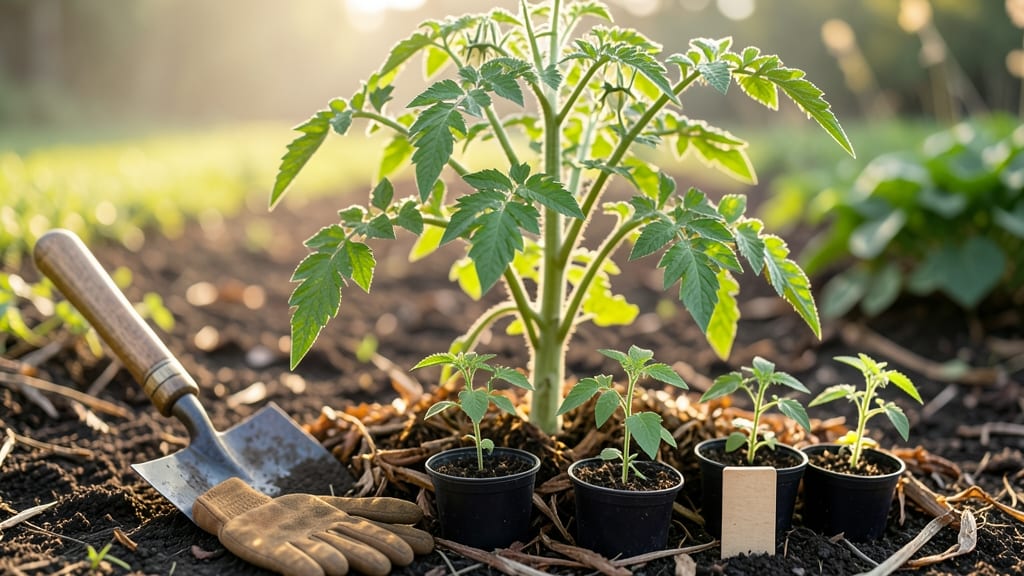
Planting your 🍅 tomatoes at the wrong time in Ohio could mean watching your hard work wither before it even begins. The key to a bountiful harvest lies in knowing exactly when to get those seeds in the ground—after the last frost but before summer heat sets in.
Ohio’s USDA Zone 6a climate means you’ve got roughly 165 frost-free days to work with, and timing is everything. Whether you’re starting seedlings indoors or sowing directly into your garden beds, getting it right ensures your tomatoes thrive from June through October.
I’ve learned the hard way that planting too early risks frost damage, while waiting too long cuts your harvest short. Let me walk you through the exact planting windows, soil temperature tips, and how to adjust for your specific county’s microclimate.
By the end, you’ll know exactly when to plant—whether you’re in Columbus, Cincinnati, or Cleveland—and how to maximize your yield every season.
Ohio’s frost-free dates by heat zone: the exact timeline for planting tomatoes
Ohio’s USDA heat zones (5a-6b) create dramatic differences in frost-free dates, meaning a 3-week gap between northern and southern counties. For tomatoes, this translates to planting windows ranging from late April in southern Ohio to mid-May in the north.
The Ohio State University Extension tracks historical frost data to help you avoid common mistakes like planting too soon after frost or missing the optimal 60-70°F soil temperature window.
Northern Ohio counties (zones 5a-5b, like Cuyahoga or Lake) typically see their last frost around May 10-15, while southern counties (zones 6a-6b, such as Franklin or Hamilton) can plant as early as April 20-30.
Using these dates ensures your tomato seedlings or direct-sown seeds have enough time to mature before Ohio’s first frost in mid-October.
Key rule: Wait 2-3 weeks after your county’s average last frost date to plant tomatoes. This buffer accounts for late frosts and gives seedlings time to establish roots. For example, if your last frost is April 25, aim to plant by May 15—not April 30. Historical data from Ohio State shows that late frosts occur 10-15% of years, so planning ahead is critical.
Here’s how to use Ohio’s frost-free zones to schedule your tomato planting:
If you’re unsure about your county’s exact frost-free date, check the Ohio State University Extension’s frost calendar or use their interactive map.
For example, Columbus (Franklin County) in zone 6a has an average last frost of April 25, but I’ve planted tomatoes as early as April 20 using row covers for protection. Always monitor your local 10-day forecast for late frosts, especially in May.
For seedlings, transplant them 2-3 weeks after your last frost date to avoid stunted growth. If you’re direct-sowing seeds, wait until the soil temperature reaches 60°F—use a soil thermometer to check.
In northern Ohio, this often means waiting until late May for seeds, while southern Ohio gardeners can start as early as mid-April.
Pro tip: Stagger your plantings by 2 weeks to extend your harvest season. For example, plant half your seedlings in early May and the other half in mid-May. This ensures you’ll have tomatoes from July through September, even if early plantings get hit by blight or late frosts.
Varieties like ‘Early Girl’ (60 days to maturity) thrive in Ohio’s short season, while ‘Brandywine’ (80+ days) needs the longest growing window.
Remember, Ohio’s microcl
How to adjust planting time for Ohio’s microclimates and soil conditions
Ohio’s diverse landscapes create unique challenges for tomato growers. Urban gardens in Columbus or Cincinnati often face heat islands that warm soil faster, while rural areas like Appalachian counties may experience delayed warming.
These microclimates can shift your planting window by 2-3 weeks, so understanding your specific conditions is key to success.
Soil temperature is the most critical factor for tomato germination. Seeds won’t sprout reliably below 55°F, and ideal germination occurs between 65-75°F. In Ohio, this typically means waiting until mid-May for most regions, but urban areas might be ready 2 weeks earlier due to faster warming.
Always test your soil with a soil thermometer before planting.
⚠️ callout warning ⚠️
Urban gardeners can leverage raised beds or black plastic mulch to warm soil faster. These methods can create a 5-10°F warmer microclimate, allowing you to plant 1-2 weeks earlier than traditional in-ground planting. For rural areas with cooler soils, consider using row covers or cold frames to extend your season both spring and fall.
Another critical factor is soil drainage. Tomatoes hate soggy roots, so if your garden sits in a low spot where water pools, create raised mounds or install French drains. Ohio’s clay-heavy soils in many regions can also benefit from amending with compost or sand to improve aeration.
Test your soil’s pH (6.0-6.8) and organic matter (5%) before planting for optimal growth.
For container gardening in urban spaces, choose determinate varieties like ‘Patio’ or ‘Tiny Tim’ that mature faster. These can be planted 2-3 weeks later than in-ground tomatoes since pots warm up more slowly. Always use containers with drainage holes and heat-resistant fabric to protect roots from extreme temperatures.
Finally, pay attention to local weather patterns beyond average frost dates. Check the National Weather Service or your local cooperative extension for 7-day forecasts before planting. A sudden cold snap can devastate young seedlings, so having row covers on hand is essential for Ohio’s unpredictable spring.
By adjusting your planting strategy to your specific microclimate—whether urban heat islands or rural cool spots—you’ll give your tomatoes the best possible start. With the right tools and timing, you can enjoy a longer harvest season and healthier plants all summer long. 🌱