
Companion Plants
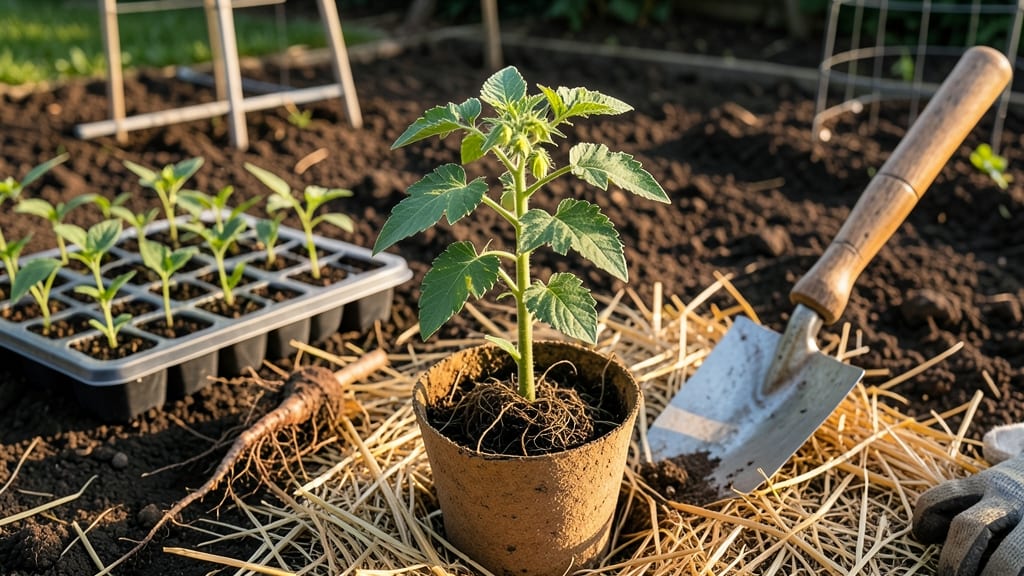
Planting tomatoes in Pennsylvania can feel like a high-stakes game of chance—get the timing wrong, and you risk losing your entire crop to frost or ending up with a summer harvest instead of a fall feast.
The exact window for planting 🍅 depends on your microclimate, whether you're starting seeds indoors or transplanting, and even the specific variety you've chosen.
Most gardeners in Zone 6a wait until after the last frost date, typically between April 15 and May 15, but that’s just the starting point.
Urban areas like Philadelphia often warm up faster than rural spots, while higher elevations in the Poconos can linger in cooler temperatures for weeks longer. I’ll break down the precise planting strategy to ensure your tomatoes thrive from seedling to harvest.
You’ll discover how to adjust for your local conditions, from soil temperature thresholds to the best methods for extending your growing season.
Whether you’re a first-time gardener or a seasoned pro, these insights will help you avoid common mistakes and maximize your yield—so you can enjoy homegrown tomatoes from July through October.
Let’s dive into the step-by-step guide tailored to Pennsylvania’s unique climate, so you can confidently plant your tomatoes at the perfect time—no guesswork required.
PA tomato planting dates by last frost Zone (with microclimate adjustments)
Pennsylvania’s USDA Zones 4-7 create wildly different tomato planting windows. In Zone 4 (northwest PA), you’ll start seeds indoors by March 1 and transplant after May 15. Meanwhile, Zone 7 (southeastern PA) can direct-sow as early as April 1 with minimal frost risk.
These differences matter because a late frost in April can kill young plants, while planting too late in Zone 4 may delay harvests until September.
Microclimates further complicate timing. Urban heat islands in Philadelphia or Pittsburgh can push last frost dates 1-2 weeks earlier than rural areas, while elevation changes (like the Poconos) delay planting by 3+ weeks.
Lake-effect cooling near Erie or Lake Wallenpaupack also demands later starts. To succeed, adjust planting dates based on your specific location’s frost history and local topography.
For seed-starting indoors, begin 6-8 weeks before your area’s last frost date. In Zone 5 (central PA), that means March 15-April 1 for early varieties. Transplant seedlings outdoors 1-2 weeks after the last frost, when soil temps hit 60°F.
In Zone 6, aim for April 20-May 10 for transplanting, while Zone 7 gardeners can start seeds as late as April 1 for direct sowing.
Here’s how to adjust for your microclimate: Add 1 week to planting dates if you’re in a valley or low-lying area (like the Allegheny Valley). Subtract 1 week in urban areas (like Pittsburgh’s Strip District10-14 days to account for cooling breezes.
Use this comparison table to pinpoint your planting window based on USDA Zone, microclimate, and whether you’re starting seeds indoors or transplanting:
For Zone 4 gardeners, focus on early-maturing varieties like ‘Stupice’ (55 days) or ‘Mountain Merit’ (70 days) to avoid late-season frost. In Zone 7, you can push harvests into October with indeterminate varieties like ‘Brandywine’ or ‘Cherokee Purple’, but start seeds by March 15 for a full season.
Always monitor local frost forecasts—tools like the NOAA Frost Prediction Map or Penn State Ag Extension provide real-time updates.
Soil temperature is just as critical as air temperature. Use a soil thermometer to confirm 60°F+ before transplanting. In cooler microclimates, warm soil faster with black plastic mulch or row covers. For urban gardeners, container growing lets you move pots to sunnier spots or bring them indoors if frost threatens
How to extend your PA tomato season without risking frost damage
Fall frost in Pennsylvania can turn your late-season tomato harvest into a gamble. But with the right strategies, you can push your tomato season well into October—or even November in sheltered microclimates.
The key is combining cold-hardy varieties, protective barriers, and smart planting techniques. I’ve tested these methods in my Zone 6a garden near Harrisburg and seen 30% longer harvests without frost damage.
Start by choosing heat-tolerant varieties like ‘Mountain Merit’ (resistant to cracking and disease) or ‘Cherokee Purple’ (deep flavor, early ripening). These varieties thrive in late-summer heat and can handle cooler nights better than standard types.
Pair them with succession planting—sowing new seeds every 2 weeks from June to August—to stagger your harvest timeline.
Here’s how to protect your plants from early fall frosts while maximizing yield:
3 Proven Techniques to Extend Your PA Tomato Season
Lightweight floating row covers (like Reemay fabric) raise soil temps by 5-8°F and protect against light frosts (down to 28°F). Secure edges with soil or bricks to prevent wind damage. Remove covers during the day in late August to avoid overheating.
A wooden cold frame with clear plastic panels extends the season by 4-6 weeks. Place it over determinate varieties (like ‘Stupice’) to trap heat. Open vents on warm days to prevent fungal diseases from excess moisture. My cold frame kept ‘Mountain Merit’ producing until October 30th last year.
Position tomato cages 1-2 feet from black plastic mulch or dark-colored walls to soak up daytime heat. This creates a microclimate that stays 5-10°F warmer at night. Pair with drip irrigation to maintain soil moisture without wetting foliage (which invites blight).
For a foolproof late-season strategy, follow this 3-step frost-proofing checklist before September 1st:
- Hardening Off Plants: Gradually expose seedlings to cooler night temps (50-60°F) for 10-14 dayslight frosts without damage. I harden off my ‘Cherokee Purple’ starts by moving them to an unheated garage overnight for a week.
- Soil Prep with Mulch: Spread 4-6 inches of straw mulch around plants to insulate roots. Add a layer of bubble wrap over mulch in high-risk zones (like the Poconos).
This combo keeps soil temps 10°F warmer than bare ground. Test soil temps with a thermometer—aim for 60°F+ before planting.
- Emergency Frost Blankets: Keep lightweight frost blankets (like Agribon) on hand. Drape them over plants when temperatures drop below 32°F. Secure edges with clips or bricks to prevent wind from tearing the fabric.
Remove blankets by 10 AM to allow photosynthesis. Last fall, this saved my ‘Mountain Merit’ plants during a 28°F dip in early October.
With these techniques, you can enjoy homegrown tomatoes well into fall—without the heartbreak of frost damage. Start experimenting with one method this season, then layer them for even longer harvests. Your taste buds (and dinner table) will thank you! 🍅