
Plants
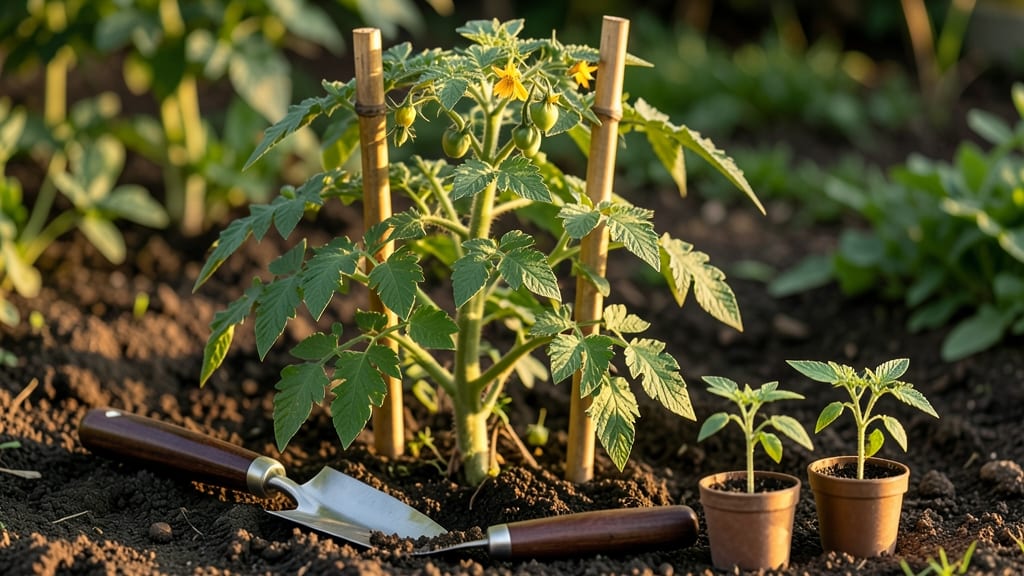
Planting tomatoes in South Carolina at the wrong time can turn your garden dreams into a sad, wilted pile of 🍅 disappointment—especially when unpredictable spring frosts or scorching summer heat throw off your timing.
If you’ve ever wondered why some gardeners in Zone 7b-8a pull in heavy harvests while others struggle with stunted plants, the answer lies in mastering the exact planting windows for your region.
Whether you’re a first-time gardener or a seasoned pro, getting the timing right is the key to juicy, vine-ripened tomatoes all season long.
Let’s break down the perfect planting schedule for your South Carolina garden, from seed-starting indoors to transplanting seedlings—plus how to stretch your growing season for a fall harvest.
You’ll learn the critical temperature thresholds to watch, the best varieties for your heat zone, and even how to outsmart pests that love to crash your tomato party.
Ready to turn your garden into a tomato powerhouse? I’ll walk you through every step—so you can enjoy homegrown tomatoes from May through October without the guesswork.
South Carolina heat zones: the exact planting windows for tomatoes (Zone 7A-8B)
South Carolina’s USDA Zones 7A-8B create a unique challenge for tomato growers—balancing early spring warmth with late-season humidity. Unlike northern states, SC’s coastal vs. inland microclimates mean your planting window can vary by 2-3 weeks depending on location.
For example, Charleston (Zone 8A) enjoys earlier soil warmth than Greenville (Zone 7B), where frosts linger longer.
Timing is everything: Plant too early, and a late frost will kill seedlings. Plant too late, and summer heat stresses plants before they fruit. The key is soil temperature—tomatoes thrive when soil reaches 60°F+ and stays above 50°F at night.
In SC, this typically aligns with mid-March to early April for spring plantings, but coastal areas can start 2 weeks sooner.
For a second harvest, succession plant in July-August for fall tomatoes. This works because SC’s first frost usually hits mid-November, giving you 100+ frost-free days for a late crop. Indeterminate varieties (like 'Celebrity') perform best in fall, while determinate types (like 'Roma') are ideal for quick spring harvests.
Pro tip: Use black plastic mulch to warm soil 5–10°F faster, letting you plant 1–2 weeks earlier without frost risk. Lay it down 2–3 weeks before your target planting date. For coastal growers, watch for humidity-related diseases—choose disease-resistant varieties like 'Defiant PhR' or 'Bush Early Girl'.
If you’re starting seeds indoors, begin 6–8 weeks before your outdoor planting window. For Zone 7A, that’s mid-January; for Zone 8A, late February. Use grow lights for 14–16 hours/day to prevent leggy seedlings. Harden off seedlings for 7–10 days before transplanting to avoid shock.
For container growing, opt for 5-gallon pots or larger—smaller containers dry out faster and struggle in SC’s heat. Place pots in full sun and water daily during summer. Self-watering containers with mulch tops reduce your workload while preventing soil-borne diseases.
Watch for critical temperature thresholds: Tomatoes won’t set fruit below 5
How to extend your tomato growing season in South Carolina (cold frames, row covers, and succession planting)
South Carolina’s long, hot summers and unpredictable spring frosts can make tomato growing a challenge, but with the right strategies, you can extend your harvest well beyond the usual May-July window.
Whether you're aiming for an early spring crop or a late fall bounty, techniques like cold frames, row covers, and succession planting can work wonders. These methods help you beat frost risks and maximize sunlight exposure, even when conditions seem less than ideal.
One of the biggest mistakes gardeners make is planting too early without protection, only to watch their seedlings wilt from frost or struggle in cold soil. By using season-extending tools, you can safely push planting dates by 2-4 weeks in spring and delay harvests into October.
The key is balancing temperature control with plant maturity—tomatoes need 60°F soil and consistent warmth to thrive, but they also need time to mature before frost.
⚠️ callout warning
Planting tomatoes before soil reaches 60°F or air temps drop below 50°F at night risks stunted growth, poor fruit set, and frost damage. Use cold frames or row covers to safely extend your window by 3-4 weeks in spring and 2 weeks in fall. Always monitor frost forecasts—even protected plants can suffer if temps drop below 32°F.
🌱 Pro Tip: Test soil temp with a soil thermometer—it’s the most accurate way to avoid cold-related setbacks.
Cold frames are one of the most effective ways to start tomatoes early in South Carolina. These mini greenhouses create a microclimate that traps heat, allowing you to plant seedlings 4-6 weeks before the last frost date.
For example, if your average last frost is March 15, a cold frame can let you plant by late February. Just ensure your frame has ventilation to prevent overheating during unseasonably warm days.
I’ve had great success with low-tunnel cold frames covered in clear plastic, which are affordable and easy to assemble.
Floating row covers are another game-changer for early and late-season planting. These lightweight, breathable fabrics protect plants from frost while still allowing sunlight and water to pass through. You can plant tomatoes outdoors 2-3 weeks earlier than usual and keep them growing into October.
To use them, simply lay the cover over your plants and secure the edges with soil or bricks. Remove covers during warm days to harden off your plants gradually. For fall planting, use row covers to delay frost damage until late October.
Succession planting is a low-cost, high-reward strategy to ensure a continuous tomato harvest throughout the growing season. Instead of planting all your tomatoes at once, stagger plantings every 2 weeks from late April through June.
This way, when your first batch starts producing in June, your later plantings are just beginning to flower and fruit. For fall harvests, plant heat-tolerant varieties like ‘Celebrity’ or ‘Solar Fire’ in July for a September-October crop.
Pair this with row covers to push the season even further.
If you’re new to extending your tomato season, start small with one cold frame or a few row covers to test what works best in your specific microclimate.
Keep a gardening journal to track planting dates, frost dates, and harvest yields—this will help you refine your approach each year. With the right tools and a little patience, you can turn South Carolina’s climate into an advantage, enjoying homegrown tomatoes from May through October.