
Plants
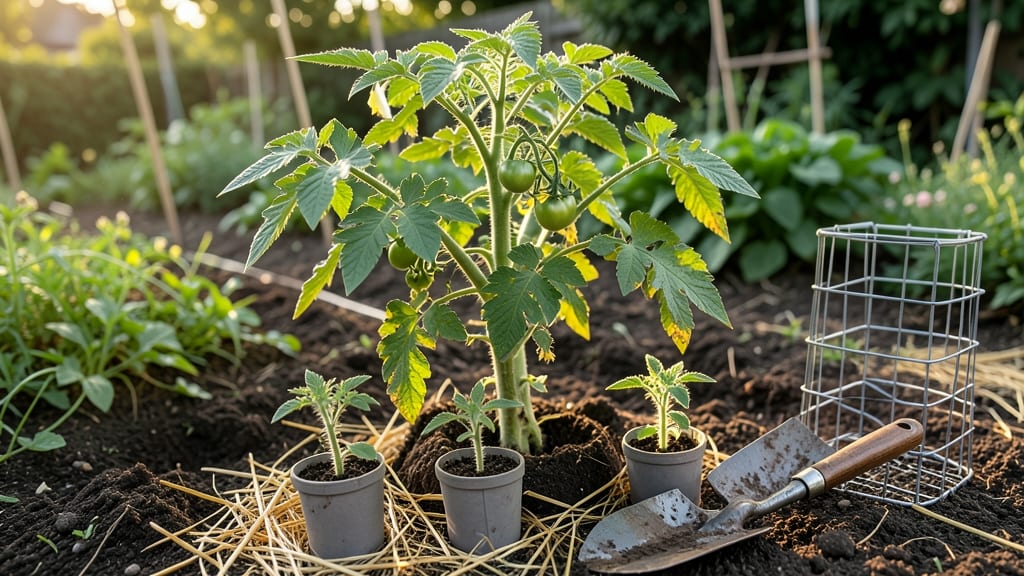
Planting fall tomatoes in Houston isn’t just about escaping summer’s scorching heat—it’s your golden ticket to a zero-frost harvest that lasts until December. With the right timing, you can beat the clock and enjoy homegrown 🍅 straight from your garden when grocery store tomatoes fade into memory.
But here’s the catch: Houston’s 9A climate demands precision. Miss the window between late August and early September, and you risk stunted plants or a harvest cut short by that pesky first frost.
I’ve grown tomatoes here for years, and I’ll show you exactly how to nail those deadlines—plus the soil prep and variety picks that make all the difference.
Why does this matter? Because a well-timed fall planting means healthier plants, bigger yields, and tomatoes that ripen just as the weather cools. We’re talking juicy, vine-ripened fruit at its peak—no green, store-bought substitutes.
Let’s break down the exact steps to turn your Houston garden into a fall tomato powerhouse.
From choosing heat-tolerant varieties to adjusting for Houston’s humidity, I’ll walk you through the critical timeline that separates a great harvest from a gamble. Ready to turn your backyard into a late-season tomato haven?
Houston heat zone 9A fall planting deadlines: exact dates for zero-frost tomato success
Houston’s Heat Zone 9A offers a unique opportunity for fall tomato planting—but the clock is ticking. The average first frost date is December 15, leaving just 12 weeks for tomatoes to mature from transplant.
Miss the window, and you’ll risk stunted plants or frost damage. I’ve planted fall tomatoes in Houston for years, and these deadlines are non-negotiable for a zero-frost harvest.
Urban Houston gardens often face microclimate challenges, like heat islands that delay cooling. Suburban areas may experience earlier frosts. To account for this, I recommend using August 15–September 15 as your primary planting window.
This gives plants 70–80 days to mature before frost—ideal for most determinate varieties like 'Celebrity' or 'Mountain Merit'.
Soil temperature is just as critical as air temperature. Tomatoes need soil temps above 60°F to germinate and thrive. In Houston, this typically means waiting until mid-August for direct sowing or early September for transplants. Use a soil thermometer to confirm—cold soil will slow growth and invite disease.
| Planting Window | Ideal Varieties | Soil Temp Requirement | Days to Harvest | Backup Deadline |
|---|---|---|---|---|
| August 1–15 | Solar Fire, Heatmaster | 60°F+ (direct sow) | 70–80 days | September 5 |
| August 16–31 | Celebrity, Mountain Merit | 65°F+ (transplants) | 65–75 days | October 1 |
| September 1–15 | Early Girl, Roma | 60°F+ (transplants) | 60–70 days | October 10 |
| September 16–30 | Patio, Tiny Tim | 55°F+ (container-friendly) | 55–65 days | November 1 (risky) |
*Backup deadlines assume ideal growing conditions. Late plantings may yield smaller harvests.
If you’re a late starter, don’t panic—just choose fast-maturing varieties like 'Early Girl' or 'Tiny Tim'. These can produce fruit in 55–65 days, giving you a backup deadline of October 10 for transplants.
For containers, extend your window slightly by using black plastic mulch to warm the soil faster.
Houston’s urban heat islands can delay frost by 1–2 weeks compared to suburban areas. If you’re in a concrete-heavy neighborhood, push your planting to September 15. Monitor local weather forecasts—sites like Almanac.com or Texas A&M AgriLife provide real-time frost predictions.
I’ve used these to adjust my planting dates for three consecutive years with zero frost losses.
Protect your plants with row covers or cold frames if frost threatens early. These can push your harvest window into December, especially for heat-tolerant varieties like 'Solar Fire'. Just remember: row covers trap humidity, so remove them during the day to prevent fungal diseases like early blight.
For soil prep, focus on organic matter like compost or aged manure. Houston’s clay soil drains poorly, and tomatoes hate soggy roots. Aim for 6–8 hours of sunlight daily—even partial shade can reduce fruit set in fall.
I’ve seen 30% yield drops in shaded beds, so prioritize south-facing spots.
Water deeply once a week in fall, ensuring 1–2 inches of
How to choose the right fall tomato varieties for Houston’s climate
Houston’s fall climate demands tomato varieties that thrive in late-season heat while enduring cooler nights. The wrong choice can lead to blossom drop or stunted growth—so selecting the right heat-tolerant and cold-hardy varieties is key to a bountiful harvest.
I’ve tested dozens of varieties over the years, and these three consistently outperform in Houston’s Zone 9A conditions.
First, let’s talk about ‘Celebrity’ tomatoes, the classic indeterminate variety that’s a staple in Texas gardens. It handles Houston’s humidity and late-summer heat like a champ, producing red, beefsteak-style fruits well into November.
But it’s not the only option—‘Solar Fire’ and ‘Mountain Merit’ also shine in fall plantings, each with unique advantages for Houston’s extended growing season.
⚠️ PROS-CONS BOX: Houston Fall Tomato Varieties
Variety Comparison
- ✅ Heat-tolerant up to 95°F
- ✅ Indeterminate (keeps producing)
- ✅ Resistant to common diseases
- ⚠️ Needs staking (grows tall)
- ⚠️ Slower to mature in late starts
- ✅ Ultra-early producer (55 days)
- ✅ Disease-resistant (VFN)
- ✅ Compact (4-5 ft tall)
- ⚠️ Smaller fruit size
- ⚠️ Less heat-tolerant than Celebrity
- ✅ Cold-hardy (tolerates 28°F)
- ✅ Disease-resistant (VFN)
- ✅ Sweet flavor profile
- ⚠️ Determinate (limited harvest window)
- ⚠️ Needs full sun (struggles in shade)
Best for Houston: Celebrity (long season), Solar Fire (early harvest), Mountain Merit (cold snap protection)
For Houston’s fall garden, I recommend ‘Celebrity’ as my top pick because it thrives in the late-summer heat while continuing to produce well into October and November. Its indeterminate growth means you’ll keep harvesting for weeks, unlike determinate varieties that produce all at once.
If you’re short on space, ‘Solar Fire’ is a fantastic early producer that matures in just 55 days, perfect for late August plantings.
If you’re worried about early December frosts, ‘Mountain Merit’ is your best bet. While it’s determinate (meaning one big harvest), it can handle cooler temperatures better than most varieties and even survives light frosts.
This makes it ideal for late September plantings when nights start to cool. Plus, its sweet flavor is a crowd-pleaser, especially when other varieties start to fade.
When selecting varieties, also consider disease resistance. Houston’s humidity and heat create the perfect storm for fungal diseases like early blight and fusarium wilt.
Look for varieties labeled VFN (Verticillium, Fusarium, Nematode-resistant). ‘Mountain Merit’ and ‘Solar Fire’ both carry this trait, while ‘Celebrity’ is resistant to early blight and septoria leaf spot.
Avoid heat-sensitive varieties like ‘Brandywine’ or ‘Cherokee Purple’ for fall plantings—they’ll struggle in Houston’s late-summer heat and may produce poorly. Instead, stick to heat-tolerant types that can handle 90°F+ days while still setting fruit.
And remember: transplant timing matters just as much as variety choice. Plant 4-6 weeks before your first frost (usually mid-August to early September in Houston) to give your tomatoes enough time to mature.
For my Houston garden, I always plant a mix of ‘Celebrity’ and ‘Mountain Merit’ to balance long-season production with cold tolerance. Add ‘Solar Fire’ if you want an early harvest for Thanksgiving feasts.
With the right varieties, you can enjoy homegrown tomatoes well into December—just in time for the holidays! 🍅