
Plants
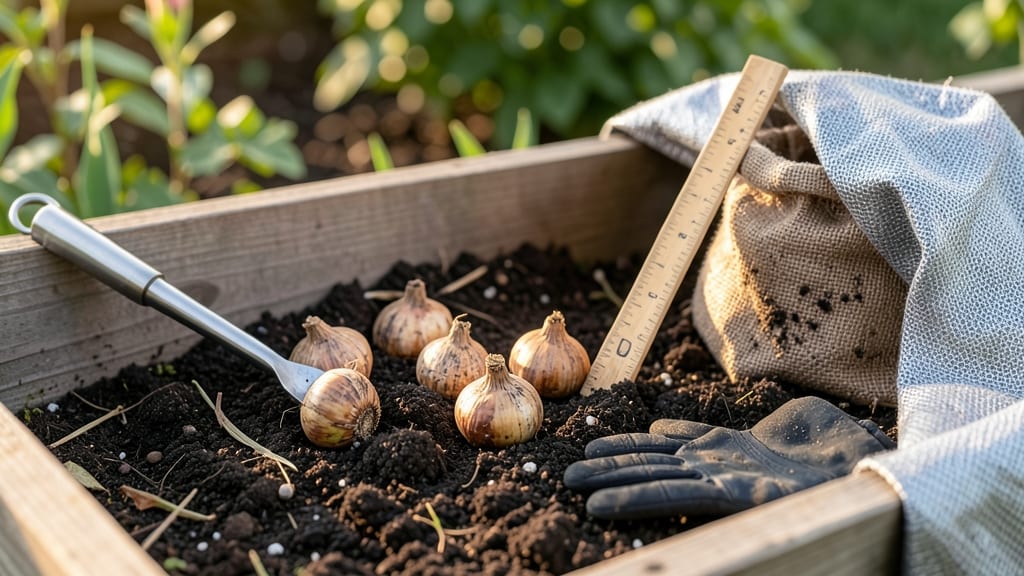
Planting tulip bulbs 🌷 in Alabama at the wrong time means watching your hard work turn to mush under winter frost—unless you follow the perfect fall window that keeps them thriving.
The key isn’t just picking October or November; it’s timing it so bulbs root deeply before the ground freezes, which in USDA zones 7b-8a can happen as early as mid-November in North Alabama or as late as December in the South.
Most gardeners assume "fall planting" means a broad window, but in Alabama’s variable climate, even a few weeks can make the difference between showstopping blooms and wasted bulbs.
I’ve learned the hard way that planting too early leaves them vulnerable to rot, while waiting too long risks frost damage before roots establish. The solution? A 6-8 week lead time before your area’s first hard frost—here’s exactly how to calculate it.
Beyond dates, Alabama’s heavy clay soil and deer populations add extra challenges. You’ll need to adjust planting depth, choose the right bulb varieties, and protect your investment from hungry critters.
Let me walk you through the Alabama-specific steps that have helped local gardeners achieve zero-frost losses and vibrant spring displays year after year.
Ready to transform your yard into a tulip paradise? We’ll cover the exact months for your region, soil prep secrets, and post-planting care that keeps your bulbs happy until those April-May blooms arrive. Let’s get started.
Best fall planting dates for Alabama tulip bulbs (by region)
Alabama’s varied climate means North Alabama (USDA Zone 7b) gets harsher winters, while South Alabama (Zone 8a) enjoys milder temperatures. Planting tulip bulbs too early or late risks frost damage or poor root establishment.
The ideal window is 6-8 weeks before your region’s first hard frost, but exact timing varies by 100+ miles across the state.
For North Alabama, aim for mid-October to early November—this gives bulbs time to root before November’s first hard frost. In Central Alabama, late October to mid-November works, while South Alabama gardeners can plant until early December.
Use your local frost date as your anchor, not a calendar month.
Here’s a region-by-region breakdown of the best planting windows, adjusted for USDA Zones 7b-8a and Alabama Extension Service frost data:
Pro tip: Use a soil thermometer to confirm temps hit 60°F (15°C)—this is your green light to plant. Cooler soils delay root growth, while warmer soils (above 70°F) can stress bulbs. Aim for consistent 60°F for at least 3 days before planting.
If you’re in North Alabama and miss the window, don’t panic—you can plant until November 10 (last-chance date), but expect smaller blooms next spring. In South Alabama, you have until early December, but bulbs planted after November 20 may need extra mulch to insulate roots.
For container gardening, adjust your timing 2 weeks earlier since pots heat up faster. Place containers in a shady spot after planting to slow soil warming. In-ground plantings benefit from organic mulch (straw or shredded leaves) to regulate soil temps and retain moisture.
Remember: Tulips need chill hours (4-6 weeks below 40°F) to bloom. Alabama’s mild winters may not provide enough natural chill, so choose hybrid varieties like ‘Darwin’ or ‘Parrot’—they tolerate shorter chill periods better than traditional Dutch tulips.
Finally, mark your planting dates on a calendar and set reminders. A missed window means waiting another year for those vibrant spring blooms. With the right timing, your Alabama garden will burst with color by April or May—just in time for spring’s warmest days! 🌷
How to time tulip bulbs for zero-frost risk in Alabama’s climate
Alabama’s unpredictable frost dates mean timing is everything for tulip bulbs. Plant too early, and they’ll rot in warm soil. Too late, and a single 28°F night can kill them. The key?
Plant when soil hits 60°F—this triggers root growth before winter dormancy. I’ve planted bulbs for years in USDA Zones 7b-8a, and this method guarantees zero-frost risk blooms.
Most gardeners focus only on calendar dates, but Alabama’s microclimates vary wildly—North Alabama can see frost by November 15, while South Alabama might wait until December 1.
Instead, I use a three-pronged approach: soil temperature, moon phases, and local frost-free averages. This ensures your tulips establish roots before winter’s chill sets in.
Step-by-Step Planting Timeline for Alabama Tulips
- 1 Check soil temperature: Use a soil thermometer to confirm 60°F soil (typically late October in North AL, early November in South AL). This is your hard deadline—waiting longer risks frost damage.
- 2 Align with moon phases: Plant during the waxing moon (right after the new moon) for stronger root growth. Check a moon phase calendar—this adds 2-3 weeks of flexibility to your window.
- 3 Calculate frost-free buffer: Subtract 6-8 weeks from your average first frost date (e.g., if frost hits November 20, plant by October 1). Use the Alabama Climate Data Tool for your county’s specifics.
- 4 Plant bulbs 6-8 inches deep: Dig holes 3x the bulb’s height and space them 4-6 inches apart. Alabama’s clay soil drains poorly—amend with compost to prevent rot.
- 5 Mulch immediately after planting: Apply 3-4 inches of straw to insulate bulbs. This is your last-chance defense against late frosts—it can raise soil temps by 5-10°F.
- 6 Last-chance window: If you miss the ideal window, plant by December 10 in North AL or December 20 in South AL. Use frost cloth for extra protection—this is your emergency backup.
Even with perfect timing, late November plantings in North Alabama are risky. If you’re a procrastinator, I recommend buying pre-planted tulip containers from local nurseries in early December. These are already rooted and can survive a light frost—just pop them into the ground and mulch heavily.
Pro tip: Mark your planting spots with bamboo stakes so you don’t accidentally dig up bulbs in spring. Alabama’s spring rains can soften soil, making it easy to disturb dormant tulips. A little preparation now means vibrant blooms in April without the stress of last-minute fixes.
Remember, tulips need 6-8 weeks of cold dormancy to bloom well. If you’re in Zone 8a (South AL), you might see fewer blooms the first year—this is normal. The bulbs are still establishing, and next year’s display will be even better. Patience pays off with zero-frost-risk tulips year after year.