
Flowers
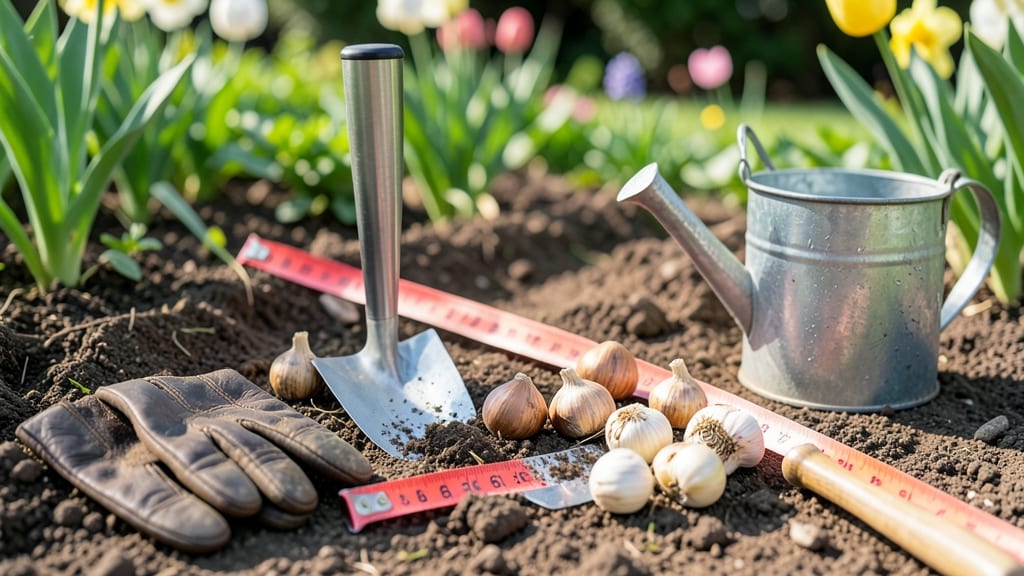
Timing your flower bulbs 🌸 for spring planting is the secret weapon behind a showstopping garden—or a missed opportunity. While many gardeners focus on fall planting, spring offers a second chance for latecomers, but getting it wrong means bulbs rot before they bloom. The key? Understanding your USDA zone and frost dates to avoid the 3 most common mistakes that kill bulbs before they sprout.
Most flower bulbs—like tulips, daffodils, and hyacinths—prefer cooler soil, so planting too early in warm zones risks waking them up before they’re ready.
In Zone 6a (default), where last frosts linger until mid-April, aim for late March to early April—but in warmer climates like Zone 8, wait until February to avoid heat stress. The difference between success and failure often comes down to just 2 weeks of timing.
Don’t let late frosts throw you off track. I’ll show you how to adjust planting dates based on your local frost forecast, plus 3 foolproof signs your soil is ready (hint: it’s not just about temperature).
Whether you’re a first-time planter or a seasoned gardener, these tips will help you maximize blooms without the guesswork. Let’s get those bulbs in the ground the right way.
Ready to skip the trial-and-error? You’ll also discover which bulbs thrive in early spring (like crocuses) versus those that need warmer soil (like dahlias), so you can plan a garden that blooms all season long. No more wasted bulbs—just vibrant, timely color. Let’s dive in.
USDA Zone-specific spring planting dates for flower bulbs
Spring is the perfect time to plant flower bulbs, but timing varies dramatically by USDA zone. In colder zones like 3-5, you can start as early as March, while warmer zones like 8-10 wait until February to avoid heat stress.
The key is planting when soil temperatures reach 50-60°F—cold enough to prevent premature sprouting but warm enough for root growth.
Late frosts are the biggest threat to spring-planted bulbs. In Zone 6, for example, average last frost dates range from April 15-30, so I always plant tulips and hyacinths by mid-March to give roots time to establish before potential cold snaps.
Daffodils, being more frost-hardy, can handle slightly later plantings.
Here’s the critical rule: Plant bulbs 6-8 weeks before your average last frost date. This window ensures roots grow strong enough to withstand light frosts (down to 20°F) without damage.
For Zone 4, that means planting by late April, while Zone 9 gardeners can plant as late as early March.
| USDA Zone | Ideal Planting Window | Key Bulbs | Frost Risk |
|---|---|---|---|
| 3-4 | Late April - Early May | Daffodils, Alliums, Snowdrops | High (last frost: May 1-15) |
| 5-6 | Mid-March - Late April | Tulips, Hyacinths, Crocus | Moderate (last frost: April 15-30) |
| 7-8 | February - Early March | Dahlias, Lilies, Fritillaries | Low (last frost: March 15-April 1) |
| 9-10 | January - Early February | Canas, Rain Lilies, Gladiolus | Minimal (last frost: Jan 15-Feb 15) |
In Zone 5, where I garden, I’ve learned to prioritize daffodils and alliums for early spring plantings—they tolerate cooler soils better than tulips or hyacinths.
For late spring plantings (after April 15), I focus on heat-tolerant varieties like bearded irises or daylilies, which can handle warmer soil temperatures.
Soil temperature is more critical than air temperature. Use a soil thermometer to confirm readiness—ideal temps are 50-60°F at 4-inch depth. If your soil is still cold (40°F or below), wait 1-2 weeks or use black plastic mulch to warm the soil faster.
I’ve seen bulbs rot when planted too early in Zone 6 because the ground was still frozen.
For early spring plantings, aim to finish by March 15 in Zones 5-7. This gives roots 6-8 weeks to establish before summer heat arrives.
In Zones 8-10, where winters are mild, you can plant as late as February 15—just avoid planting when daytime highs exceed 75°F, as this stresses bulbs.
Pro tip: Check your local cooperative extension service for microclimate adjustments. A north-facing garden in Zone 6 might need 2 weeks later than a south-facing bed. I once delayed planting in a shady spot by 10 days because the soil warmed 3°F slower than my sunny border.
If you’re in a transition zone (e.g., Zone 6b), err on the side of earlier plantings. Bulbs planted in late April in these zones often struggle with late May frosts, which can blacken emerging foliage.
For hyacinths, which are particularly sensitive, I plant 3 weeks earlier than tulips in my Zone 5b garden.
Remember: Spring-planted bulbs (like dahlias or cannas) need consistent moisture after planting. Water deeply once a week until shoots emerge, then reduce to every 10-14 days once established. Mulch with 2-3 inches of straw to retain moisture and regulate soil temps.
🌷
How to adjust planting for late spring frosts (protect your bulbs)
Late spring frosts can turn your eagerly planted bulbs into sad, wilted memories if you're not prepared. Even hardy varieties like daffodils and tulips need protection when temperatures dip below 28°F (-2°C).
The key is adjusting your planting strategy and using simple protective measures to give your bulbs a fighting chance.
First, check your local frost dates—many regions experience late frosts into May. If you planted bulbs too early in March or April, they may already be vulnerable. The good news? With the right techniques, you can extend their growing season and shield them from frost damage.
Action Tip: Use a soil thermometer to ensure soil temps are consistently above 40°F (4°C) before planting.
One of the easiest ways to protect bulbs is through mulching. Apply a 3-4 inch layer of straw, leaves, or shredded bark over planted bulbs once shoots emerge.
This insulates the soil and keeps roots warmer. For extra protection, use black plastic mulch, which warms the soil faster than organic materials.
For bulbs already sprouting, consider temporary cold frames or cloches (glass jars or plastic domes). These create microclimates that trap heat during the day and protect against nighttime frosts. Even a lightweight row cover can raise soil temperatures by 5-10°F (3-6°C), giving your bulbs a crucial advantage.
Not all bulbs are equal when it comes to frost tolerance. Snowdrops, crocuses, and alliums are among the hardiest, often surviving sub-zero temperatures.
Plant these first if frosts are likely. For tulips and dahlias, which are less frost-tolerant, wait until after the last frost or use protective coverings.
Finally, monitor your garden closely. If a frost warning arrives, water the soil around your bulbs thoroughly the night before. Moist soil holds heat better than dry soil, providing an extra layer of protection. With these strategies, your bulbs will have the best chance to thrive—even in unpredictable spring weather.