
Plants
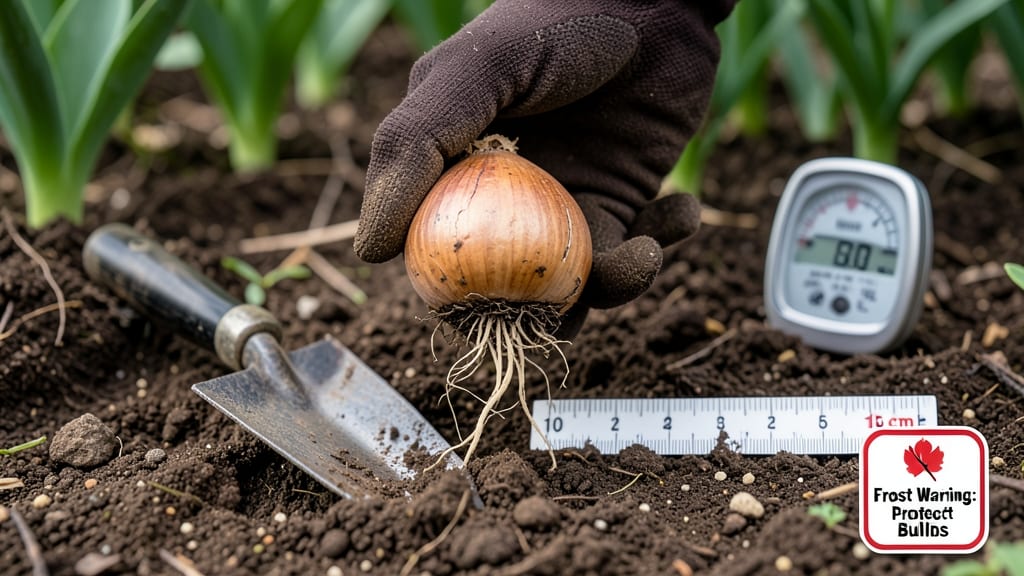
Planting tulip bulbs 🌷 in Australia at the wrong time can mean no blooms—or worse, lost bulbs—because frost risks and climate zones vary wildly across the country. The key to success isn’t just picking autumn, but timing it precisely to your region’s frost-free window.
Most gardeners assume tulips need cold winters to thrive, but Australia’s climate throws a curveball. In cooler states like Victoria or Tasmania, you’ll want to plant by late May to avoid early frosts, while in warmer areas like Sydney or Brisbane, the window stretches until July.
Getting this right means the difference between a stunning spring display and disappointment.
I’ve seen firsthand how a few weeks’ delay can ruin a season’s work, so I’ll break down the exact planting schedule for your area—plus soil prep tricks and microclimate hacks to protect your bulbs.
Whether you’re in a frost-prone valley or a coastal zone, these insights will help you plant with confidence.
Ready to transform your garden? Let’s dive into the autumn timing secrets that’ll give you tulips that outshine the rest—no matter where you live in Australia.
Best autumn planting months for tulip bulbs in Australia by region
Australia’s diverse climate zones mean tulip bulbs need precise timing to thrive. Plant too early, and they’ll rot in warm soil; too late, and frost will kill emerging shoots. The key is soil temperatures between 10°C and 15°C—ideal for root growth before winter dormancy.
Most Australian gardeners plant in late autumn (May-June), but your exact timing depends on your region’s frost patterns and coastal vs. inland microclimates.
Coastal areas like Sydney and Brisbane have milder winters, while inland Canberra and Melbourne face harsher frosts. Subtropical zones (e.g., Gold Coast) can plant later, but temperate regions (e.g., Adelaide) need earlier prep.
Below, I’ve broken down the best planting windows by region, including soil temp thresholds and frost-risk alerts to help you avoid common mistakes.
Pro Tip: Use a soil thermometer to confirm temps before planting—this is the #1 reason tulips fail in Australia. Aim for 6-8 weeks before your area’s first frost, but never plant when soil is above 20°C, or bulbs will spoil.
For Tasmania and alpine regions, plant earlier (March–April)—these areas have earlier frosts and colder soils. Always check your local Bureau of Meteorology frost forecasts to adjust timing. For example, Hobart’s first frost often hits by May 15, so aim to plant by March 31.
In subtropical zones, tulips can bloom twice a year if planted in winter (July) and autumn (May). However, avoid planting after July—the heat will trigger premature sprouting. Use shade cloth (30%) in summer to protect bulbs from drying out.
Soil prep is just as critical as timing. Tulips hate waterlogged soil, so amend clay with gypsum or coarse sand and mix in compost for drainage. Test your soil’s pH (6.0–7.0)—acidic soil (<6.0) can stunt bulb growth. In coastal areas, add organic matter to prevent salt buildup from ocean winds.
If you’re in a high-frost-risk zone (e.g., Victoria’s Highlands), plant bulbs deeper (8–10 inches) and mulch with straw or pine needles to insulate roots. For urban gardens, containers work well—use well-draining potting mix and move pots to a sheltered spot during cold snaps.
Remember: Tulips need cold dormancy to bloom. If your winter is too mild (e.g., Northern NSW), bulbs may fail to flower. In these cases, chill bulbs in the fridge (4°C) for 8–10 weeks
How to time tulip bulb planting for zero frost damage in Australia
Planting tulip bulbs in Australia requires careful timing to avoid frost damage, which can kill emerging shoots or even the bulbs themselves. Unlike northern hemisphere climates, Australian autumns bring cooler temperatures earlier, and frost risks vary dramatically between regions like Victoria and Tasmania versus coastal areas.
The key is planting 4-6 weeks before your first frost date—but how do you know when that is?
Start by checking your local frost dates using the Bureau of Meteorology’s frost risk maps. For example, Melbourne typically sees its first frost in early June, while Sydney may escape until late June.
In Tasmania, frost can arrive as early as May. Planting too late means bulbs won’t establish roots before winter, while planting too early can lead to premature sprouting and weak stems.
Once you’ve nailed your frost date, aim to plant tulip bulbs between late April and early June in frost-prone areas.
In milder coastal regions like Brisbane or Perth, you can extend this window slightly later, but always prioritize soil temperatures dropping to 10-15°C (50-59°F)—the sweet spot for root growth without encouraging early shoots.
Planting tulip bulbs after your first frost date is a common mistake—emerging shoots can’t survive sub-zero temperatures. In Victoria and Tasmania, even a light frost (-2°C or 28°F) can damage bulbs. Use mulch (10cm thick) of straw or pine needles to insulate soil and protect roots. For extra safety, cover newly planted beds with frost cloth on cold nights until shoots reach 5cm tall.
After planting, monitor weather forecasts for unexpected cold snaps. If a frost warning appears within 2 weeks of planting, apply a thick layer of organic mulch (like lucerne hay) to trap heat.
In high-risk zones, consider planting tulips in containers so you can move them to sheltered spots or under cover if frost is forecasted. This flexibility is especially useful for Tasmania’s alpine regions, where frosts can occur year-round.
Don’t forget to adjust your watering routine after planting. Tulip bulbs need consistent moisture to root but hate soggy soil. Water deeply once a week (or more in dry inland areas) until the first frost, then reduce to monthly light watering.
Overwatering in winter can lead to rot-prone conditions, while underwatering stresses bulbs during dormancy. A drip irrigation system on a timer is ideal for precision.
With the right timing and protection, your tulip bulbs will thrive through Australia’s unpredictable autumns. Start with your local frost dates, plant in well-draining soil, and use mulch as your first line of defense. Soon, you’ll enjoy vibrant blooms come spring—without a single frost-related setback.