
Plants
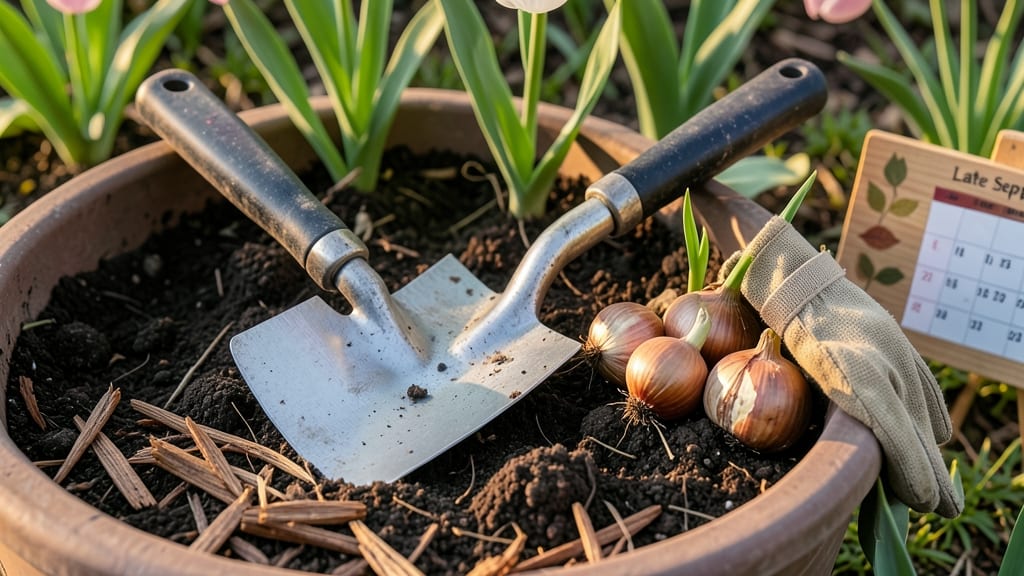
Planting tulips in Minnesota isn’t just about dropping bulbs in the ground—it’s about outsmarting Zone 4a’s brutal winters to guarantee those showstopping 🌷 blooms next May. Miss the October–November window, and frost will turn your investment into a science experiment.
But get the timing right, and you’ll beat the cold with bulbs that root deep before the ground freezes.
Here’s the game-changer: Minnesota’s first frost arrives by early October, leaving you just 6–8 weeks to plant before the soil locks up. That means no last-minute decisions—your bulbs need 4–6 weeks to establish roots before winter sets in.
The key? Start in early October, when soil temps hover around 50°F, and work until the ground hardens.
Don’t let the short window stress you out. With the right soil prep—drainage, organic matter, and a thick mulch layer—your tulips will survive -30°F temps and reward you with vibrant spring color.
I’ll walk you through the exact steps to prep your garden, choose cold-hardy varieties, and extend your bulbs’ lifespan beyond one season.
Ready to turn your Minnesota yard into a 🌷 paradise? Let’s dive into the foolproof timeline, soil secrets, and variety picks that’ll make your neighbors jealous next spring.
Minnesota tulip planting deadlines by month: Zone 4a survival guide
Planting tulips in Minnesota’s USDA Zone 4a requires precision timing to avoid bulb rot or freezing before roots establish. The ideal window spans from mid-September to early November, but exact dates depend on your last frost date and soil temperature.
In most of Minnesota, this means planting 4-6 weeks before the ground freezes, typically between October 15 and November 15. Missing this window risks bulbs rotting in cold, wet soil or freezing solid before spring.
Your local last frost date (usually around May 15) isn’t the only factor—soil temperature matters more. Tulip bulbs need 40-50°F soil to start rooting. If you plant too early (like late August), bulbs may sprout prematurely and get killed by early frosts.
If you wait too late (after November 15), roots won’t have time to establish before winter sets in.
Here’s your Minnesota-specific planting timeline, broken down by month with soil temperature thresholds and frost risk levels:
To calculate your exact planting deadline, subtract 6 weeks from your average first frost date. For example, if your area’s first frost is October 15, plant by September 1. Use the National Weather Service or Old Farmer’s Almanac to find your local frost dates.
Pro tip: In northern Minnesota (e.g., Duluth), aim for late September to mid-October, while southern areas (e.g., Minneapolis) can extend to early November.
If you’re unsure about soil temps, use a soil thermometer to check depths of 6-8 inches (where bulbs will sit). Tulips need 40°F+ soil to root successfully. In Zone 4a, this often means waiting until mid-September or later, even if air temps feel warm.
Planting too early can trigger premature sprouting, which young shoots won’t survive when frosts hit.
For container-grown tulips, your window is even shorter—plant by mid-October at the latest. Containers freeze faster than in-ground beds, and bulbs need consistent cold exposure to bloom reliably. Use black plastic pots (they absorb heat) and bury containers in straw or leaves for extra insulation.
If you’re in Zone 4a’s northern reaches (e.g., International Falls), consider overwintering containers in a cold frame or unheated garage until spring.
Once planted, mulch heavily with 4-6 inches of straw or shredded leaves to insulate bulbs from temperature swings and thaw-freeze cycles. This is critical in Minnesota, where winter
How to prepare Minnesota soil for tulip bulbs before planting
In USDA Zone 4a, where temperatures can plummet to -30°F, preparing your soil properly is the key to getting those vibrant tulip blooms next spring. The right soil mix ensures drainage and nutrient retention, while cold-hardening techniques protect bulbs from freezing.
Without proper prep, your tulips may rot or fail to establish roots before winter sets in.
Start by testing your soil’s drainage—tulips hate soggy conditions. If your yard has clay-heavy soil, amend it with organic matter like compost or peat moss.
Aim for a 60/40 ratio of native soil to organic material. This balance helps bulbs establish roots while preventing waterlogging during Minnesota’s unpredictable fall rains.
Here’s my step-by-step guide to prepping your Minnesota soil for tulip bulbs, ensuring they survive the winter and bloom beautifully in spring:
Dig a 12-inch hole and fill it with water. If it drains within 2 hours, your soil is fine. If not, amend with sand or perlite (20% of soil mix).
Mix in 3-4 inches of compost or well-rotted manure to the top 12 inches of soil. This improves fertility and water retention without compacting.
Tulips prefer slightly acidic to neutral soil (pH 6.0–7.0). Test your soil with a kit and add lime (to raise pH) or sulfur (to lower pH) as needed.
Use a broadfork or tiller to loosen soil to a depth of 12–15 inches. This helps roots penetrate easily and prevents soil compaction from freezing/thawing cycles.
Store bulbs in a cool, dark place (40–50°F) for 4–6 weeks before planting. This mimics winter conditions and boosts cold resistance.
After planting, add a 3-inch layer of straw or shredded leaves to insulate bulbs. Remove mulch in early spring to prevent rot from melting snow.
Once your soil is prepped, plant tulip bulbs 6–8 inches deep and 4–6 inches apart, pointing the sharp end up. In Minnesota’s climate, planting in late October gives bulbs time to root before the ground freezes. A little extra effort now means show-stopping blooms in May!
Don’t forget to mark your planting spots with biodegradable flags—Minnesota’s snow cover can make it hard to remember where your bulbs are buried. Happy planting! 🌷