
Plants
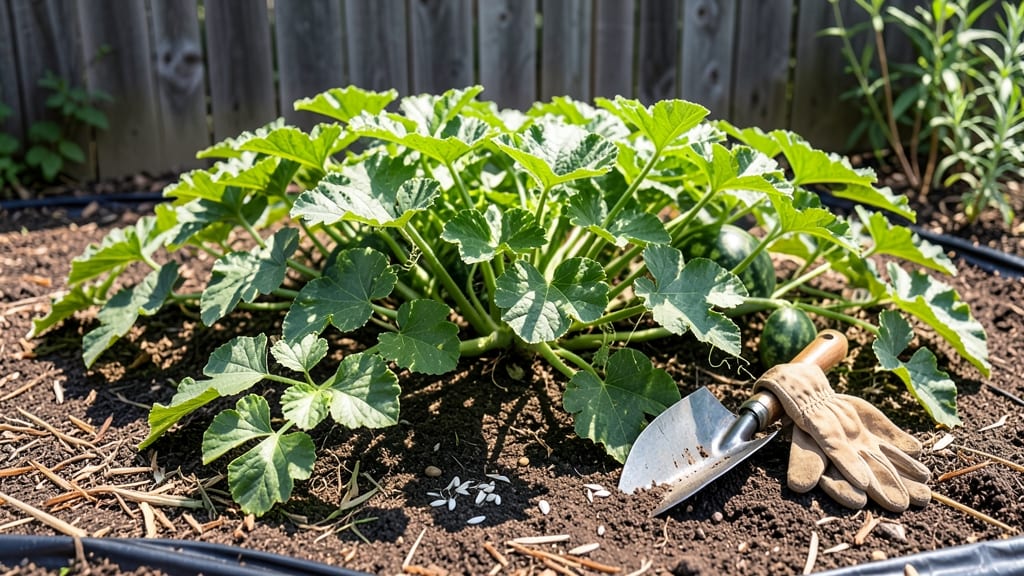
Planting watermelons in Texas isn’t just about timing—it’s about beating the heat and avoiding frost before your vines even sprout. The wrong window means sad, shriveled melons instead of juicy, vine-ripened rewards, and Texas’s diverse climate zones make it trickier than you’d think.
Whether you’re in North Texas where frost lingers into April or South Texas where summer heat arrives early, the key is knowing when soil warms enough for those seeds to germinate.
I’ll break down the exact deadlines by region—so you can start seeds indoors in March or direct-sow after the last frost without guessing.
You’ll also discover how to prep your soil for Texas’s sandy loam, which drains too fast for watermelons, and which varieties thrive in your specific heat zone. No more wasted effort or bitter melons—just a bountiful harvest of sweet, ripe fruit.
Let’s get your watermelon patch off to the right start with data-backed deadlines and pro tips tailored for Texas gardeners.
Texas heat zone planting deadlines: when to start watermelon seeds for maximum yield
Watermelons thrive in Texas's long, hot summers—but getting them in the ground at the right time is the difference between a bountiful harvest and a failed crop. Texas is divided into Heat Zones A and B, which directly impact your planting schedule.
Zone A (North Texas) has later last frost dates than Zone B (Central/South Texas), so timing varies dramatically between Dallas and Houston.
For maximum yield, watermelon seeds should be started when soil temperatures consistently reach 70°F or higher. This threshold ensures fast germination and vigorous vine growth.
In Texas, that typically means waiting until mid-April to early May for most regions, but exact dates depend on your specific Heat Zone and microclimate.
I’ve grown watermelons across North, Central, and South Texas, and the biggest mistake I see is planting too early—seeds rot in cold soil, or seedlings get fried by sudden heat spikes. The key is matching your variety’s days to maturity with your region’s frost-free window.
Early varieties (60-70 days) can go in first, while late varieties (80+ days) need to wait until June in some areas.
Here’s how Texas’s three main regions differ—and when to plant for each:
In North Texas (Zone A), where frosts linger until mid-March, I recommend starting seeds indoors 4-6 weeks before your last frost date—usually late March. Transplant seedlings outdoors after the soil warms to 70°F, around April 15–May 1.
For Dallas/Fort Worth, this means early May is your last chance for a full-season harvest before summer’s brutal heat sets in.
Central Texas gardeners in Austin or San Antonio (Zone B) have a longer window. You can direct-sow seeds as early as March 20 if soil temps are stable, but I’ve found that waiting until April 1–15 reduces the risk of seed rot.
The Crimson Sweet variety thrives here, maturing in 80–90 days, so planting by mid-April ensures harvests before fall rains arrive.
Down in South Texas (Houston/Corpus Christi), the climate is almost frost-free year-round. Here, I skip indoor starts entirely and direct-sow seeds March 1–30 for a spring crop.
For a fall harvest, plant again in July–August—just be prepared for pumpkin vine competition for pollinators! Varieties like Sugar Baby (60-day) work perfectly for this region’s heat.
Pro tip: Use a soil thermometer to confirm readiness—watermelon seeds won’t germinate below 65°F, and growth stalls below 70°F. In my East Texas garden, I’ve had seeds sprout in 68°F soil, but the seedlings were leggy and weak until temps rose to 75°F+.
Patience pays off here!
Adjust your planting schedule based on your watermelon variety. Early varieties like 'Black Diamond' (70 days) can handle a late start, while 'Moon and Stars' (90 days) needs an early jump. In West Texas, where water is scarce, I opt for drought-tolerant varieties like 'Charleston Gray' and plant them
Pro tips for extending watermelon season in Texas: how to beat early heat or late frost
Texas summers are brutal for watermelons—100°F+ soil temperatures can cook seeds before they sprout, while unexpected late frosts in North Texas (like the 2021 freeze) wipe out young plants overnight.
The key? Strategic timing and protective tactics tailored to your region. I’ve grown watermelons across East Texas humidity and West Texas aridity, and these methods save my crop every year.
Watermelons thrive in consistent heat, but Texas’s variable spring weather makes direct sowing risky. Instead, I use a 3-phase approach: early starts under protection, soil warming tricks, and heat-tolerant varieties that outperform standard types in our climate.
Let’s break down how to extend your harvest window without losing plants to frost or heat stress.
- 1. Start seeds indoors 4–6 weeks before last frost date (use grow lights if natural light is weak). Transplant after soil hits 70°F—test with a soil thermometer!
- 2. Use row covers or mini cold frames for 2–3 weeks post-transplant to shield from late frosts (common in North/Central Texas). Remove when daytime temps stay above 65°F.
- 3. Choose heat-tolerant varieties: 'Sugar Baby' (70-day harvest, drought-resistant), 'Crimson Sweet' (classic, high-yield), or 'Black Diamond' (thrives in West Texas heat). Avoid 'Charleston Gray'—it bolts in Texas summers.
- 4. Warm soil fast: Lay down black plastic mulch 1–2 weeks before planting. In sandy soils (common in East Texas), add compost to retain moisture and heat.
- 5. Adjust watering: Deep water every 2–3 days in summer (1–2 inches total), but reduce frequency in fall to sweeten fruit. Morning watering prevents fungal diseases.
For North Texas gardeners (like me in Dallas), the critical window is mid-April to early May—after the average last frost (typically March 15–April 15). But if you’re in South Texas (e.g., Houston), you can plant as early as February under row covers to beat the heat.
My trick? Succeeding two plantings: one in April for summer fruit and another in July for fall harvests.
Don’t overlook soil pH—Texas soils often test alkaline (7.5–8.5), but watermelons prefer 6.0–6.8. Amend with sulfur or peat moss before planting.
I also side-dress with compost at the first true leaf stage to boost vigor. Phosphorus-rich fertilizer (like 5-10-10) at planting ensures strong root systems to handle our intense heat.
If you’re in West Texas (e.g., Amarillo), focus on shade cloth during peak summer (June–August) to protect young vines. Varieties like 'Calhoun Gray' tolerate dry conditions better than most.
For East Texas, prioritize disease resistance—powdery mildew thrives in humidity, so choose 'Yellow Doll' or 'Tasty Bite' for better resilience.
Pro tip: Harvest before the heat peaks. In Central Texas, I pull ripe melons by mid-September to avoid over-ripening in 100°F+ temps. Store them in a cool, dry place (not the fridge!) to extend shelf life.
With these strategies, you’ll double your harvest and avoid the heartbreak of frost or heat loss.