
Flowers
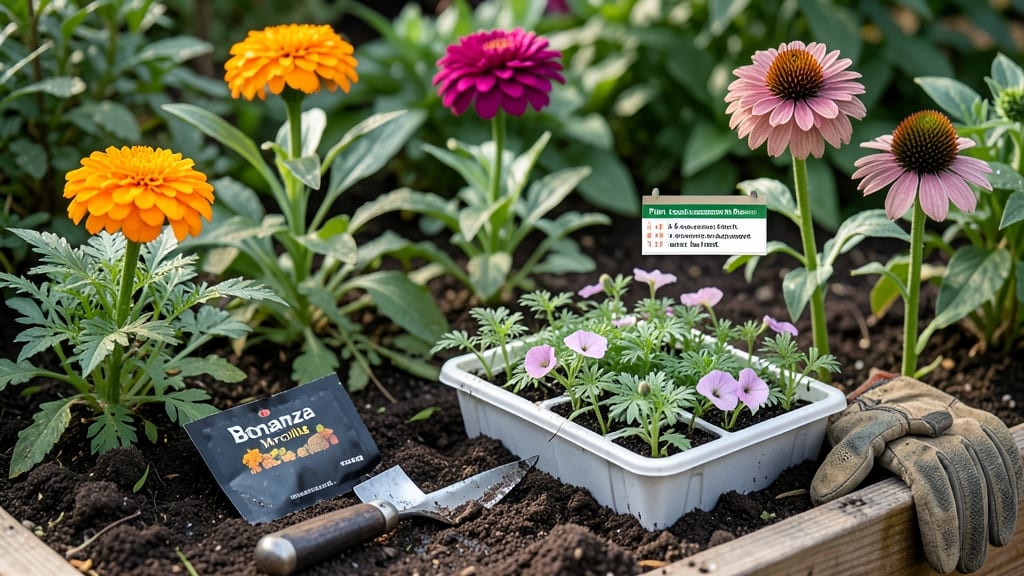
Planting flowers in Ohio at the wrong time can mean the difference between a vibrant garden and a frost-kissed disappointment—especially when those late spring freezes sneak in.
The perfect planting window isn’t just about avoiding frost; it’s about giving your 🌸 blooms the best shot at thriving in Ohio’s 6a-6b climate, where soil warmth and last-frost dates vary wildly from north to south.
If you’ve ever rushed to plant annuals only to watch them wilt under a surprise freeze, you know timing matters.
But here’s the good news: with the right deadlines—like waiting until mid-April for cool-season flowers or after May 15 for heat-lovers—you can turn Ohio’s unpredictable weather into an advantage.
I’ll walk you through the exact months to plant, plus pro tips to extend your growing season without frost damage.
Whether you’re a beginner or a seasoned gardener, this guide covers everything from frost-hardy tulips to sun-loving coneflowers, so you’ll know exactly when to dig in. Let’s make sure your garden blooms on time—no frost surprises included.
Ready to transform your Ohio garden into a year-round showstopper? The first step is planting smart, and I’ve got the timeline to prove it works.
Ohio flower planting deadlines by USDA Zone 5-6: frost dates & soil temperature rules
Ohio’s USDA Zones 5-6 create a delicate balance between early spring frosts and soil warmth—two critical factors for successful flower planting.
The average last frost date hovers between April 15 and May 15, but this can shift 1-2 weeks earlier in Southern Ohio (e.g., Cincinnati) or later in Northern Ohio (e.g., Cleveland).
Soil temperature plays an equally vital role: 55°F+ for annuals and 60°F+ for tender perennials signals it’s safe to plant.
Timing isn’t just about avoiding frost—it’s about maximizing bloom season. Planting too early risks frost damage, while waiting too long can shorten your flowering window.
For example, cool-season flowers like pansies thrive when planted in early spring (March-April), while warm-season favorites such as zinnias need to wait until after May 15 when soil temperatures stabilize.
Northern Ohio’s Zone 5 areas (e.g., Toledo, Youngstown) often experience later frosts and cooler soils, requiring patience. Southern Ohio’s Zone 6 (e.g., Columbus, Dayton) can push plantings 2 weeks earlier. Microclimates—like south-facing slopes or urban heat islands—can also shift your planting window by 5-7 days.
Soil temperature is your true north for planting. Use a soil thermometer to confirm 55°F+ for annuals like marigolds or 60°F+ for tender perennials like salvia. In Ohio, this typically aligns with late April to early May, but cool, wet springs can delay it until mid-May.
Here’s the golden rule: Wait until nighttime temperatures consistently stay above 50°F. This reduces the risk of frost damage and ensures roots establish before summer heat arrives. For cool-season flowers, start seeds indoors 6-8 weeks before your last frost date to give them a head start.
🌱
| Factor | Cool-Season Flowers (e.g., Pansies, Snapdragons) | Warm-Season Flowers (e.g., Zinnias, Petunias) |
|---|---|---|
| Planting Window | March 15–April 30 | May 15–June 15 |
| Soil Temp Threshold | 45°F–50°F | 55°F–60°F+ |
| Last Frost Risk | High (use row covers) | Low (after May 15) |
| Ideal Soil Prep | Loosen soil, add compost | Warm soil, mulch to retain heat |
| Frost Tolerance | 28°F–32°F | 32°F+ (use frost cloth) |
Northern Ohio gardeners should err on the side of caution and wait until May 1 to plant warm-season flowers, while Southern Ohio can start as early as April 20.
For example, zinnias planted in late April in Zone 6 may bolt or struggle, but the same variety thrives in Zone 5 when planted in early May.
Pro tip: Use frost-free date calculators (like the Old Farmer’s Almanac) to pinpoint your local window. Even a 1-week delay can mean the difference between wilting seedlings and a vibrant bloom season.
For tender perennials like coleus or begonias, wait until nighttime temps stay above 60°F—usually late May in most of Ohio.
Microclimates matter! A south-facing garden bed warms up 2-3 days faster than a north-facing area. If you’re in an urban heat island (e.g., downtown Columbus), you can plant 1 week earlier than rural areas.
Conversely, low-lying spots or wooded gardens may need to wait 10 days longer for soil to warm.
🌿
Best flowers to plant in Ohio by season: month-by-month survival guide
Ohio’s spring frost dates can be tricky, but timing your plantings right ensures longer bloom seasons and healthier flowers. The key? Matching each flower’s hardiness zone (5-6) with Ohio’s soil temperature shifts.
Cool-season blooms thrive in March-April, while heat-lovers like zinnias and sunflowers wait until May. Don’t forget fall plantings—bulbs and perennials love Ohio’s crisp air!
Native Ohio species like black-eyed Susans and coneflowers are low-maintenance winners, but even tender annuals can survive if planted at the right time. Below, I’ve broken down the best flowers for each month, including Ohio-proven varieties that beat frost and heat.
Pro tip: Test soil warmth with a thermometer—55°F+ signals it’s safe for warm-season plants.
- 1 March: Plant tender perennials like canas and hostas under row covers. Soil is still cool (45-55°F), so avoid warm-season annuals.
- 2 April: Cool-season flowers shine! Direct-seed snapdragons, pansies, and lupines. Wait until after April 15 (avg. last frost) for transplants.
- 3 May: Heat-loving annuals like marigolds, zinnias, and sunflowers go in once soil hits 60°F+. Start tomato flowers (yes, they count!) too!
- 4 Fall (Sept-Oct): Bulbs like tulips and daffodils need 6-8 weeks to root before frost. Plant perennials (e.g., daylilies) by October 1 for spring blooms.
Ohio’s native wildflowers, such as purple coneflower and butterfly weed, are drought-tolerant and pollinator magnets. Plant them in late spring for summer-long color. For container gardens, choose petunias or geraniums—they thrive in May plantings and rebound from Ohio’s summer humidity.
Ever wondered why your zinnias bolt in July? It’s often because they were planted too early. Wait until after May 15 to avoid premature flowering. For fall blooms, try mums and aster flowerscool autumn air and brighten gardens until frost.
Pro move: Succession plant cool-season flowers every 2-3 weeks in April for nonstop blooms. And if you’re new to Ohio gardening, start with hardy perennials like black-eyed Susans—they’ll return year after year with minimal fuss. Happy planting!