
Plants
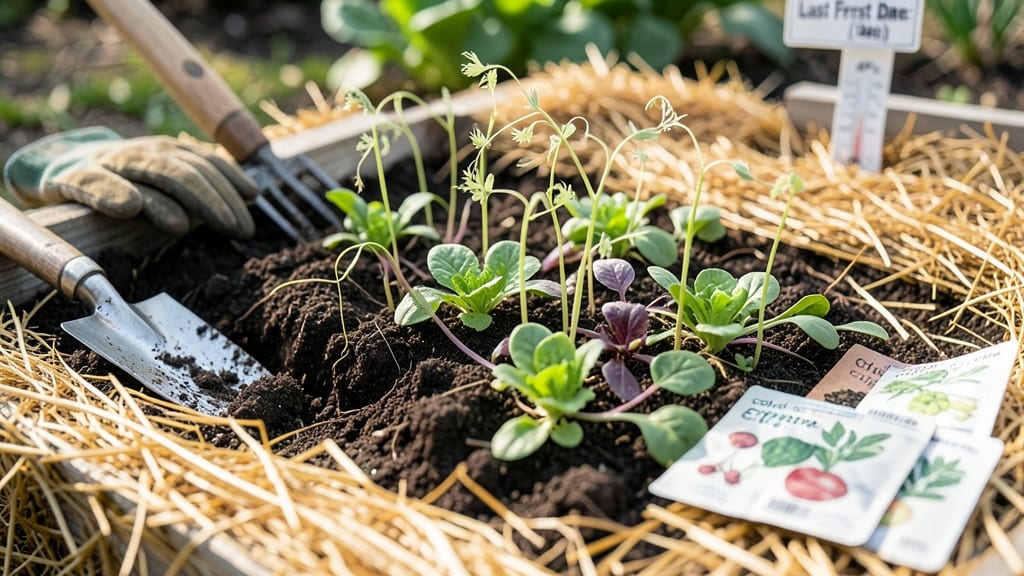
When is it safe to plant in Michigan—that’s the question every gardener asks, and the answer isn’t just about checking a calendar. Planting too early can turn your 🌱 dreams into a frozen disappointment, but waiting too long means missing the perfect growing window. Knowing when it's truly safe to plant—beyond just the calendar—can mean the difference between a thriving garden and a sad, wilted memory.
With Michigan's 5a-6b zones and regional frost variations, the answer isn't one-size-fits-all. Some areas in the Lower Peninsula might be frost-free by mid-April, while the Upper Peninsula could still be playing it safe well into May.
The key is understanding your specific county's frost-free date trends and adjusting your planting schedule accordingly.
I’ll walk you through the exact county-by-county frost-free dates for 2024, plus the subtle cues—like leafing trees and soil temperature—that tell you it’s really time to plant. No more guessing, no more frost bites—just confident, successful gardening.
Whether you're planting cool-season crops like peas or waiting for the heat to grow tomatoes, these insights will help you time it perfectly. Let’s get your garden off to the right start—no frost surprises included.
Michigan’s county-by-county last frost dates (2024 guide)
Timing your garden correctly in Michigan means knowing your last frost dates—because planting too early can kill tender seedlings, while waiting too long means missing peak harvests.
Michigan’s climate varies dramatically between the Lower Peninsula and Upper Peninsula, with some regions seeing frost as late as May 15 and others as early as April 15. These dates are your gardening GPS, guiding everything from tomato transplants to zucchini seeds.
For 2024, I’ve compiled the most accurate historical averages and projected dates based on Michigan State University’s climate data and NOAA trends. Whether you’re in Detroit’s urban heat islands or Traverse City’s lakeshore breezes, these dates will help you avoid frost damage and maximize your growing season.
Always double-check with local weather alerts—Mother Nature doesn’t always follow the calendar!
| Region | Last Frost Date (Avg) | 2024 Projection | First Frost (Avg) | Key Cities |
|---|---|---|---|---|
| Southeast (USDA 6a-6b) | April 20 | April 15-22 | October 20 | Detroit, Ann Arbor, Toledo |
| Southwest (USDA 6a) | April 25 | April 20-27 | October 15 | Kalamazoo, Battle Creek |
| West Central (USDA 5b-6a) | May 5 | April 30-May 5 | October 10 | Grand Rapids, Muskegon |
| Northeast (USDA 5b) | May 10 | May 5-12 | October 5 | Traverse City, Petoskey |
| Upper Peninsula (USDA 4b-5a) | May 15 | May 10-20 | September 25 | Marquette, Houghton, Iron Mountain |
*Dates based on 30-year averages (1991-2020) with 2024 adjustments for warming trends. Always verify with local forecasts.
If you’re in the Southeast, like Detroit or Toledo, you can start planting warm-season crops like peppers and tomatoes as early as April 20. Meanwhile, gardeners in the Upper Peninsula should wait until May 15—or risk losing tender starts to late frosts.
These dates also help you plan for fall planting: in Detroit, you’ve got until October 20, while UP gardeners must wrap up by September 25.
Pro tip: Use these dates as a starting point, not a rulebook. Check soil temperatures (aim for 50°F+ for most veggies) and monitor NOAA frost alerts.
In my own garden, I’ve learned that microclimates matter—a low spot near a creek might frost 2 weeks later than the rest of your yard. Always scout your space!
For cool-season crops like peas and lettuce, you can plant 4-6 weeks before your last frost date. But for
How to adjust planting dates for Michigan’s microclimates
Michigan’s diverse landscapes—from the Upper Peninsula’s cooler highlands to Detroit’s urban heat islands—create wildly different planting windows. Even neighboring towns can have 10-day differences in frost-free dates, making a one-size-fits-all approach risky. The key? Understanding your local microclimate and adjusting planting dates accordingly.
For example, Traverse City’s cherry orchards bloom weeks earlier than Marquette’s hardy root cellars. Urban gardens in Grand Rapids may warm up faster than rural fields in Lenawee County due to pavement heat retention.
These variations mean your tomato seeds might thrive in May in one area while still needing row covers in another.
🌱 5 Microclimate-Specific Planting Adjustments
- 1. Urban Heat Islands: Plant warm-season crops (peppers, basil) 7-10 days earlier than rural areas—concrete absorbs heat, raising soil temps by 5-10°F.
- 2. High-Altitude Zones: In the Upper Peninsula, delay planting by 2-3 weeks; cold air pools in valleys, extending frost risk.
- 3. Lakeside Locations: Near Lake Michigan, wait until soil reaches 55°F—lake breezes delay warming by 1-2 weeks.
- 4. South-Facing Slopes: Plant cool-season crops (spinach, peas) 2 weeks earlier—slopes warm 3-5°F faster than flat ground.
- 5. Frost Pockets: Avoid low-lying areas for tender plants; cold air settles there, increasing frost risk by 30-50%.
Use cold-hardy crops like kale, radishes, and peas as early indicators. These thrive at 40-50°F soil temps and signal when your microclimate is ready for warmer plants. For example, if your kale bolts by June 1st, your tomatoes are likely safe to plant by then in most regions.
Succession planting is your secret weapon for Michigan’s short season. Start fast-maturing varieties (like bush beans, radishes) every 2 weeks after your last frost date. This stretches your harvest window by 4-6 weeks—critical for high-altitude areas where the growing season shrinks to just 120 days.
Never rely on the calendar alone—soil temperature is your true guide. Use a soil thermometer to confirm 50°F for warm-season crops and 40°F for cool-season crops. Pro tip: Place the thermometer 4 inches deep in full sun for accurate readings.
If your soil hits 55°F by late May in Wayne County, you’re likely safe to plant cucumbers and squash.
For high-altitude areas like Iron County, consider extended-season tunnels or row covers to push your planting window back by 3-4 weeks. These simple tools can add 20-30 frost-free days, letting you grow zucchini and peppers that would otherwise fail.
Just remember to remove covers during the day to prevent overheating.