
Plants
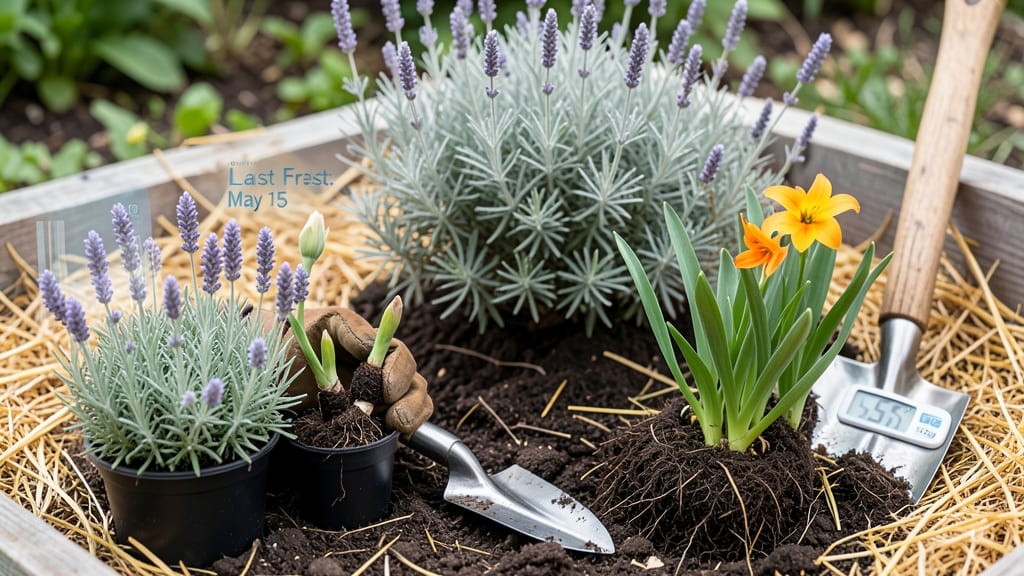
Planting your General Minnesota Vegetables and Plants 🌱 at when is it safe to plant in Minnesota can mean the difference between a bountiful harvest and a sad pile of frost-killed seedlings.
The average last frost date in Minnesota hovers around May 15, but that doesn’t mean you should rush—soil temperature and microclimates play just as big a role as the calendar.
I’ve learned the hard way that waiting for the perfect moment—when soil warms to at least 50°F and nighttime temperatures stay above freezing—is the key to avoiding stunted growth or worse.
Whether you’re transplanting seedlings or sowing directly, timing your spring planting right ensures your garden thrives from June through October.
But here’s the thing: Minnesota’s USDA Zones 3-5 mean your neighbors might be planting weeks before or after you, depending on where they live.
That’s why I’ve broken down the exact windows for cool-season crops (like peas and spinach) versus warm-season favorites (tomatoes, peppers), plus how to adjust if Mother Nature throws you a curveball.
Ready to master your planting schedule? Let’s dive into the data, tips, and tricks that’ll help you avoid frost damage and maximize your growing season—no guesswork required.
Minnesota frost-free dates by USDA Zone: when to plant cool vs warm-season crops
Minnesota’s USDA zones 3-5 create dramatic differences in frost-free dates, which directly impact when you can safely plant your garden. In Zone 3 (northern MN), the average last frost arrives around May 20, while Zone 5 (southern MN) typically sees frost-free conditions by May 5.
These dates determine whether your cool-season crops like spinach or warm-season crops like tomatoes will thrive—or wilt.
Understanding these timelines helps you avoid frost damage while maximizing your growing season. For example, planting peas or lettuce too late in Zone 3 risks bolting, while tomatoes or peppers planted too early will struggle in cold soil.
Let’s break down the planting windows by zone and crop type so you can plan with confidence.
Pro Tip: Always check your local almanac or use a frost calculator for your specific town, as microclimates (like urban heat islands) can shift dates by 1-2 weeks. For instance, Minneapolis (Zone 4b) often sees frost-free conditions 5-7 days earlier than nearby rural areas.
| USDA Zone | Avg. Last Frost | Cool-Season Crops (Plant) | Warm-Season Crops (Plant) | Notes |
|---|---|---|---|---|
| Zone 3 (Northern MN) | May 20 | Late April–May 10 (peas, spinach, kale) | After June 1 (tomatoes, peppers, cucumbers) | Shortest season; use row covers. |
| Zone 4 (Central MN) | May 10 | Mid-April–May 1 (lettuce, radishes, carrots) | May 15–June 1 (beans, squash, basil) | Moderate season; ideal for succession planting. |
| Zone 5 (Southern MN) | May 5 | Early April–April 20 (broccoli, cabbage) | April 25–May 10 (melons, eggplant, corn) | Longest season; double-crop opportunities. |
For cool-season crops, the goal is to plant early enough to harvest before summer heat causes bolting. In Zone 3, I start hardy greens like spinach under row covers in late April, while in Zone 5, I can direct-sow lettuce and peas as early as mid-April.
These crops tolerate light frosts (28°F), but soil must be workable (40°F+) for seeds to germinate.
Warm-season crops, however, demand patience. In Zone 4, I wait until soil temperatures reach 60°F (usually late May) to plant tomatoes and peppers, as cold soil stunts root growth. Use a soil thermometer to track progress—cool springs can delay planting by 2-3 weeks.
In Zone 5, where the season is longer, I often start transplants indoors in March and harden them off by early May.
Historical data shows that late frosts (after May 15) occur about 1 in 3 years in Minnesota, so I always keep frost cloth on hand. For example, the 1992 frost hit Minneapolis on May 20, catching many gardeners off guard.
To mitigate risks, I plant heat-loving crops like okra after June 1, when the chance of frost drops below 10%.
Exceptions exist for microclimates. South-facing slopes or urban areas (like Minneapolis or St. Paul) warm up faster than rural fields, allowing 1-2 weeks earlier planting. Meanwhile, lake-effect zones near bodies of water (e.g., Lake Superior) may experience delayed springs.
Always observe your yard’s local patterns for 2-3 years to refine your schedule.
To maximize your garden, pair cool-season crops with warm-season successors. For instance, plant radishes (harvest in 30 days) alongside tomatoes (harvest in 80 days). This way, you’ll have continuous harvests from May through October. Start with fast-maturing varieties in shorter seasons (Zone 3) to ensure a reward before frost.
Remember: Frost-free dates are averages. Check your local National Weather Service forecasts in April for real-time updates. With the right timing, you can turn Minnesota’s short growing season into a bountiful harvest—no matter your zone.
🌱
Planting schedule by variety: hardiness Zones 3, 4, and 5 deep dive
Minnesota’s USDA Zones 3-5 present unique challenges for gardeners, where last frost dates can vary by weeks. Knowing the exact planting window for each variety ensures your cool-season crops thrive before summer heat arrives.
For Zone 3, wait until mid-May, while Zones 4-5 can start as early as late April for hardy plants.
Your cold-hardy vegetables like kale and potatoes can handle early spring planting, but heat-loving plants such as cucumbers and basil need warmer soil. Perennials like asparagus and rhubarb also have specific timing needs to establish strong roots before winter.
🌱 Minnesota Planting Timeline by Variety & Zone
- Zone 3: Start potatoes and peas in late April under row covers. Plant kale and spinach by May 1. Wait until mid-June for tomatoes and peppers.
- Zone 4: Begin asparagus crowns in early April and rhubarb by late April. Plant cucumbers and basil after May 15 when soil warms to 60°F.
- Zone 5: Sow cool-season crops like lettuce by mid-April. Transplant warm-season plants such as eggplants by early June.
- All Zones: Use row covers to extend early planting by 2-3 weeks for frost-sensitive varieties.
For Zone 3 gardeners, early springs can delay planting until late May due to lingering frost risks. In Zones 4-5, late springs may push warm-season crops to June 1 or later. Always check soil temperatures—50°F for potatoes and 60°F for tomatoes are critical thresholds.
Perennials like asparagus benefit from an early start in Zone 4-5, with crowns planted in March-April. Rhubarb, another hardy perennial, can be planted as early as late March in Zone 5. For annuals, succession planting every 2 weeks ensures a continuous harvest.
Adjust your schedule based on microclimates—south-facing beds warm faster, while low-lying areas may stay colder. Monitor local frost forecasts and use frost cloth for added protection during late spring surprises.
By following these zone-specific guidelines, you’ll maximize your Minnesota growing season and avoid common pitfalls like frost damage or stunted growth. Happy planting! 🌿