
Plants
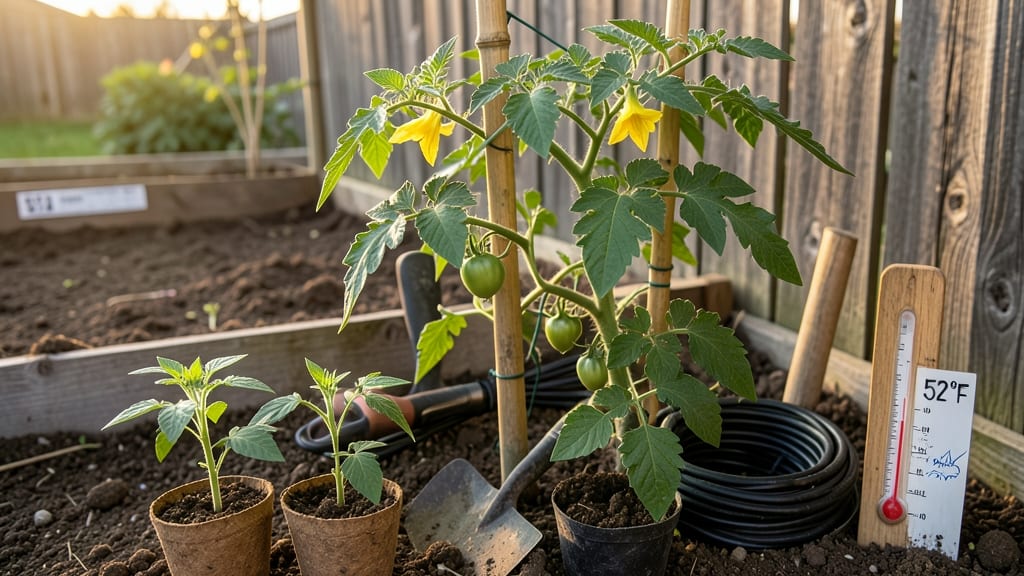
Planting tomatoes in Ohio after it is too late to plant tomatoes in Ohio—like June 1—can leave you racing against time—and frost. While the ideal window is April 15 to June 1, late plantings still work with the right approach.
The key is understanding your county’s frost risk and choosing fast-maturing varieties like ‘Early Girl’ or ‘Stupice’.
In USDA Zone 6a, Ohio’s first frost typically hits around October 20, giving you about 165 frost-free days to grow tomatoes. But if you’re in northern Ohio (like Cleveland or Toledo), you’ve got less time than southern counties (like Athens or Lawrenceburg).
The cutoff isn’t just about dates—it’s about soil temperature (60°F minimum) and transplant readiness.
Miss the window? Don’t panic. Row covers or a greenhouse can buy you extra weeks, but stunted growth or pest vulnerability becomes a real risk. I’ll show you how to push the limits without sacrificing your harvest—or worse, ending up with green tomatoes in October.
Let’s break down county-specific deadlines, late-planting hacks, and warning signs that your tomatoes won’t survive. By the end, you’ll know exactly how late you can plant—and still enjoy a homegrown harvest.
Ohio county-specific deadlines for planting tomatoes before frost risk
Ohio’s diverse climate means your last chance to plant tomatoes varies dramatically from county to county. In southern Ohio, where USDA Zone 6b dominates, you might squeeze in a late planting until mid-June.
But in northern Ohio’s Zone 5b, the cutoff is often late May—or even earlier if you’re not using cold protection. The key is understanding your historical frost dates and how many days to maturity your tomato variety needs.
For example, Athens County gardeners in the Appalachian foothills typically have until June 15 for fast-maturing varieties, while Toledo’s Lucas County sees its first frost by October 10, leaving only about 140 frost-free days.
This means if you plant after June 1, you’re gambling with your harvest. Let’s break down the exact deadlines by region so you can plan with confidence.
| Region/County | USDA Zone | Last Safe Planting Date | Frost-Free Days | Recommended Varieties |
|---|---|---|---|---|
| Southern Ohio (Athens, Lawrenceburg, Cincinnati) | 6a-6b | June 15 (fast varieties) / June 1 (standard) | 160-180 days | 'Early Girl,' 'Stupice,' 'Sungold' |
| Central Ohio (Columbus, Dayton, Mansfield) | 6a | June 1 (fast) / May 20 (standard) | 140-160 days | 'Patio,' 'Roma,' 'Better Boy' |
| Northern Ohio (Cleveland, Toledo, Akron) | 5b-6a | May 15 (fast) / May 1 (standard) | 120-140 days | 'Mountain Merit,' 'Celebrity,' 'Cherry Tomatoes' |
| Northeast Ohio (Youngstown, Canton) | 5b | May 1 (fast) / April 25 (standard) | 110-130 days | 'Early Girl,' 'Sweet 100,' 'Glacier' |
*Deadlines assume 60°F+ soil and 70+ frost-free days to maturity. Adjust for cooler years.
If you’re in Zone 6b like Athens County, you might push the envelope with heat-loving varieties like 'Sungold' until June 15, but even then, you’ll need to monitor soil temperatures closely.
Soil must stay above 60°F (15°C) for roots to establish properly. Use a soil thermometer to check—cool soils delay germination and stunt growth.
For northern Ohio, where Zone 5b dominates, the window is tighter. In Cleveland’s Cuyahoga County, planting after May 15 risks stunted growth, even with fast varieties. The average first frost hits by October 10, leaving only about 140 days for a full harvest.
If you’re determined to try, opt for determinate varieties like 'Roma' or 'Patio,' which mature faster than indeterminate types.
One critical factor often overlooked is transplant shock. Late plantings suffer more from stress, especially if the weather turns hot or dry. Always harden off seedlings for 7-10 days before transplanting, even in late plantings.
This means gradually exposing them to outdoor conditions (sun, wind, temperature fluctuations) to reduce shock. Skip this step, and your plants may wilt or fail to thrive.
Pro tip: Check your local Cooperative Extension office for microclimate data. Urban areas like Columbus can be 5-10°F warmer than rural zones just 10 miles away, giving you an extra week
How to extend your Ohio tomato season: late planting hacks for small harvests
Missed Ohio's ideal tomato planting window? Don't toss those seedlings just yet. With the right late-season strategies, you can still coax a small but rewarding harvest from your garden. The key lies in fast-maturing varieties and protective techniques that shield tender plants from Ohio's unpredictable fall frosts.
Your first line of defense is time-tested tomato varieties bred for speed. 'Early Girl' and 'Stupice' can mature in just 55-60 days, while 'Sungold' cherry tomatoes often ripen in 60 days.
These varieties give you the best chance to harvest before Ohio's average first frost date around October 20th.
Here's when pushing limits gets risky—and how to mitigate those risks:
🌱 Numbered Highlights: Late Planting Risk Assessment
- Week 1-2 after transplant: Low risk—plants establish roots quickly in warm soil. Use row covers for 5°F protection.
- Weeks 3-4: Moderate risk—fruit sets but may not mature. Choose determinate varieties (bush types) for faster harvests.
- After Week 5: High risk—plants may bolt or flowers drop. Try greenhouse microclimates or cold frames.
- Post-September 15: Extreme risk—only cherry tomatoes may ripen. Harvest green tomatoes indoors for ripening.
For late plantings, prioritize container growing in sunny spots. Pots warm faster than garden soil and let you move plants to garages or porches at night if temperatures dip. Pair this with a 50% shade cloth during 100°F+ days to prevent sunscald on young fruit.
Don't overlook soil warming tricks. Lay black plastic mulch 2 weeks before planting to raise soil temps by 10-15°F. For extra insurance, mix composted manure into planting holes—warmer soil speeds germination and early growth by 30%.
Remember: Even late tomatoes need consistent care. Water deeply every morning to prevent blossom end rot, and fertilize with low-nitrogen tomato food every 10 days. With these adjustments, you might just salvage 50-70% of your expected yield—worth the effort for fresh tomatoes in October!