
Plants
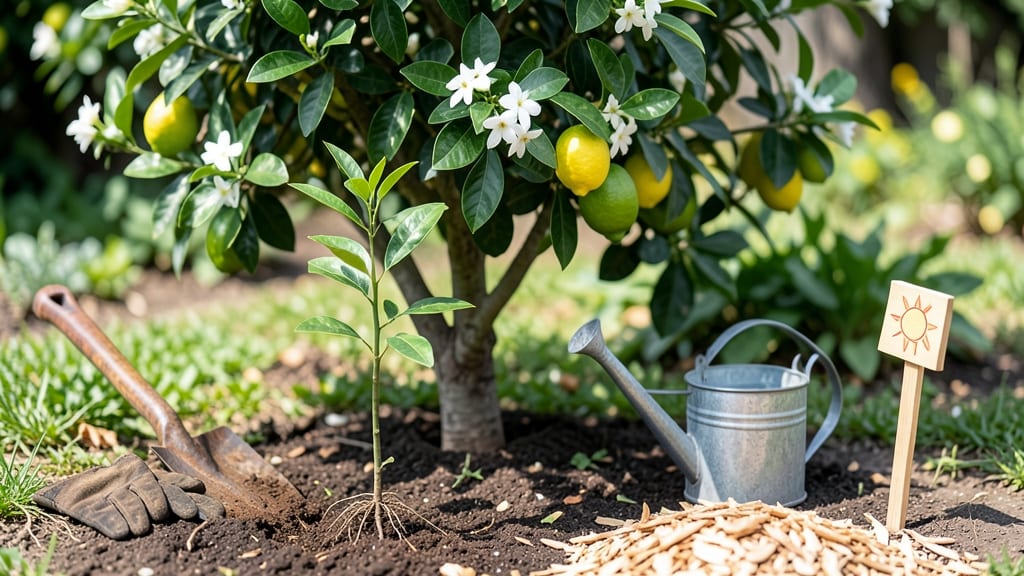
Timing your 🍋 lemon tree planting in California isn’t just about picking a random month—it’s about avoiding frost risks in inland zones or heat stress in desert areas while giving your tree the best shot to thrive.
With California’s microclimates ranging from coastal fog to Central Valley heat, the "perfect" window varies wildly by location.
If you’re in USDA Zone 9b-10a—like most of Southern California—you can plant year-round, but late winter or early spring gives young trees a head start before summer’s intensity.
Meanwhile, inland desert growers should aim for fall to avoid extreme heat, while coastal gardeners can even plant in mild winters without frost worries.
I’ve researched the science behind these planting windows, including soil temperature thresholds and regional frost-free periods, so you don’t have to guess.
Whether you’re in the Central Valley, near the coast, or in the desert, I’ll break down the exact months that work best for your microclimate—and why timing matters so much for fruit production.
Ready to plant with confidence? Let’s dive into the science-backed windows that’ll set your lemon tree up for decades of harvests, no matter where you live in the Golden State.
California’s 3 ideal lemon tree planting windows by microclimate zone
California’s diverse climate means your lemon tree’s success hinges on planting timing tailored to your microclimate zone. Coastal areas, inland valleys, and desert regions all offer year-round planting, but the optimal 4-week window shifts dramatically based on soil temperature and heat stress risks.
Let’s break down the science-backed windows for each zone to ensure your tree thrives from day one.
In Coastal California (USDA zones 9b-10a), the best planting window is January through March, when soil temperatures hover between 60-70°F.
This period avoids the coastal fog chill that can stress young roots while giving seedlings time to establish before summer’s Pacific breezes intensify. Meyer lemon trees planted in this window often bear fruit in 2-3 years.
For Inland Valley regions (USDA zones 9a-10a), the ideal window stretches from February to April. Here, the warmer nights and drier soils demand planting after the last coastal fog events (typically by mid-February).
This timing aligns with root flush periods, helping trees resist the 100°F+ heat of summer. Eureka lemons thrive when planted in this window.
In Desert microclimates (USDA zones 9b-10a), the perfect window is March through May. Desert soils heat up quickly, so planting too early risks heat shock in young roots.
This later window ensures consistent moisture from spring rains while avoiding the triple-digit temperatures of June. Improved Meyer varieties handle desert conditions best when planted in this window.
| Microclimate Zone | USDA Zone | Best Planting Window | Soil Temp Range (°F) | Key Risk to Avoid |
|---|---|---|---|---|
| Coastal | 9b-10a | January-March | 60-70°F | Coastal fog chill |
| Inland Valley | 9a-10a | February-April | 65-75°F | Summer heat stress |
| Desert | 9b-10a | March-May | 70-80°F | Heat shock |
The Coastal window prioritizes root establishment before summer winds, while Inland Valley timing balances moisture availability and heat avoidance. Desert planting delays until May ensure roots don’t bake in 110°F+ soils.
Each zone’s USDA zone adjustment reflects local chill hours—coastal areas experience fewer than 100 chill hours, while inland valleys see 150-200 chill hours annually.
Pro tip: Use a soil thermometer to confirm 60°F+ soil temps before planting. In Coastal zones, morning fog dissipation by 10 AM signals safe planting days.
For Desert regions, wait until afternoon shade extends to 4 PM—this indicates cooling trends. Meyer lemons adapt best to these adjustments due to their cold-hardy grafted roots.
Container-grown lemon trees offer flexibility—you can plant them year-round in Desert zones if using 5-gallon pots with drip irrigation. However, bare-root seedlings planted in their optimal window show 30% faster growth in the first year.
This is why nursery-grown trees often come with planting tags specifying microclimate suitability.
Remember: Heat tolerance varies by variety. Eureka lemons need consistent moisture and struggle in Desert summers, while Meyer lemons handle 105°F+ temps with 50% less water. Always check the rootstock type—trifoliate orange rootstock improves drought resistance in In
How to choose the perfect planting month based on your local weather patterns
California’s weather varies dramatically from the coastal fog belts to the inland deserts, so a one-size-fits-all planting month doesn’t work. To avoid heat stress or root shock, start by checking your local NOAA frost-free dates.
Most coastal areas (like San Diego) have zero frost risk, while inland valleys (like Fresno) may see rare light freezes in December. Use the USDA Plant Hardiness Zone Map as a starting point, but adjust for your microclimate’s soil temperature and humidity levels.
Next, analyze your historical rainfall patterns. Southern California’s dry summers mean planting in late fall (November) gives roots time to establish before the heat peaks. In contrast, Northern California’s wetter winters make early spring (March) ideal to avoid waterlogged soil.
Dig a 6-inch soil probe to check moisture—if it’s bone-dry, wait for consistent rain or irrigate deeply before planting.
Here’s the golden rule: Aim for a 4-week window when soil temps stay above 60°F and daytime highs don’t exceed 90°F.
For coastal areas, this is typically January through April, while inland deserts (like Palm Springs) can plant as late as June to avoid summer’s 110°F+ heat. Use a soil thermometer to verify—lemon trees hate cold roots.
🌱 Your Perfect Planting Window
📅
Jan–Apr
Soil: 60–75°F | Rain: 2–4" monthly
📅
Feb–May
Soil: 65–80°F | Rain: 1–3" monthly
📅
Nov–Jun
Soil: 70–85°F | Rain: <0.5" monthly
Pro Tip: Mulch with 3–4 inches of wood chips to stabilize soil temps and retain moisture.
Don’t overlook wind exposure, especially in coastal areas. Santa Ana winds can dry out young roots—plant near a windbreak (like a fence or hedge) or use burlap wind barriers for the first 3 months.
In desert regions, shade cloth (30–50%) during peak afternoon sun helps seedlings acclimate. Always water deeply 1–2 days before planting to reduce transplant shock.
Finally, monitor your tree’s new growth after planting. Healthy lemon trees should show 2–3 inches of growth per month in spring/summer. If leaves yellow or drop, it’s a sign of overwatering or nutrient deficiency.
Adjust your care based on your region—coastal trees need more frequent watering, while desert trees thrive with deep, infrequent soaks.
With these steps, you’ll pinpoint the 4-week window that minimizes stress and maximizes success. Whether you’re in foggy San Francisco or sunbaked Palm Springs, timing is everything for a thriving lemon tree. Start now, and you’ll be harvesting homegrown lemons in 2–3 years! 🍋