
Plants
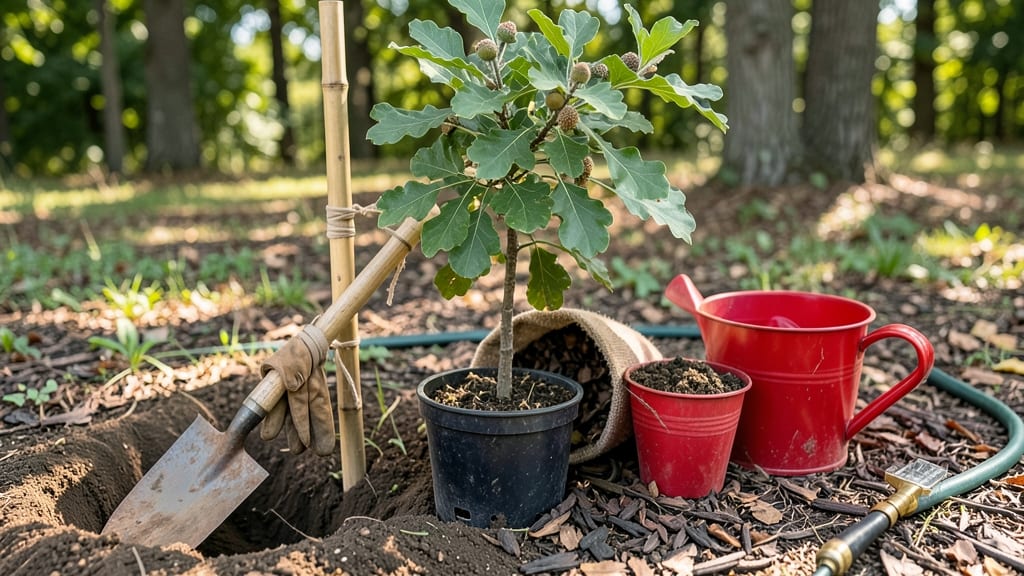
Planting a tree in Iowa at the wrong time can leave your 🌳 struggling for years—or even failing before it ever reaches maturity.
The difference between a thriving shade provider and a sad, stunted sapling often comes down to a single season, and Iowa’s unique climate makes this choice more critical than you might think.
With hardiness zones 5a-5b and unpredictable swings between freezing nights and scorching afternoons, timing isn’t just about picking a month—it’s about understanding how soil temperatures, frost dates, and moisture levels interact.
Whether you’re planting in the chilly early spring or the crisp fall, getting it right means your tree will establish strong roots before winter hits.
I’ve helped countless Iowans transform their yards with healthy, long-lasting trees, and the best time to plant almost always comes down to two windows: early spring or fall.
But which one works for your specific zone—and what mistakes could derail your success? Let’s break it down so you can make the right call for your landscape.
You’ll discover how to align your planting schedule with Iowa’s frost-free days, which tree species thrive in each season, and the simple (but often overlooked) steps that ensure your new tree grows into a sturdy, decades-long investment. Ready to plant with confidence?
Iowa’s hardiness zones: how they determine the best tree planting months
Iowa spans USDA hardiness zones 4a through 6a, meaning temperatures can vary dramatically between northern and southern regions. These zones directly impact tree root establishment and survival rates, with northern Iowa (4a-5a) facing colder winters and southern Iowa (5b-6a) enjoying slightly warmer conditions.
Understanding your zone helps you choose the perfect planting window—whether it’s early spring or late fall.
For example, Sioux City (zone 4b) has an average last frost date of April 20, while Des Moines (zone 5b) typically sees frost-free conditions by April 10. These differences mean a 2-week shift in planting timing can make or break your tree’s success.
Soil temperature also plays a critical role—roots need 40°F+ soil to grow actively, which happens earlier in southern Iowa.
| Zone | Avg. Last Frost | Best Planting Window | Soil Temp Threshold | Seasonal Risk |
|---|---|---|---|---|
| 4a (Northeast IA) | April 25–May 5 | Late April–early May | 45°F+ for 7+ days | Late frosts, slow soil warming |
| 5a (Central IA) | April 15–20 | Early April–mid-May | 40°F+ for 5+ days | Variable spring rains, clay soil compaction |
| 5b (Southern IA) | April 5–10 | March 20–April 30 | 38°F+ for 3+ days | Early drought stress, heatwaves |
| 6a (Extreme SW IA) | March 25–April 5 | March 1–April 15 | 42°F+ for 7+ days | Late summer drought, wind damage |
In zone 4a (northeast Iowa), planting too early risks frost damage to tender new roots, while zone 6a (southwest Iowa) can experience drought stress if trees aren’t established before summer heat arrives.
The key is aligning your planting with soil temperature trends—use a soil thermometer to confirm when roots can grow actively.
Fall planting offers advantages in zones 5b-6a, where trees planted by mid-October can develop roots before winter dormancy. However, zone 4a gardeners should wait until late September to avoid early frosts. Always check local frost dates from sources like the Iowa State University Extension for precise timing.
Iowa’s clay-heavy soils also affect planting success. In spring, heavy rains can waterlog roots, while fall planting benefits from moisture retention during winter. Amend clay soil with compost or sand to improve drainage before planting, regardless of season.
For bare-root trees, plant as soon as soil is workable—typically 2-4 weeks before last frost in spring or 6-8 weeks before first frost in fall. Container-grown trees offer more flexibility but still require consistent moisture during establishment.
Regional microclimates add another layer. Urban areas like Des Moines experience heat islands that can push planting windows earlier, while rural northwest Iowa may need to delay planting due to colder winds. Always scout your specific location for 3-5 years of frost records to refine your timing.
Pro tip: Mulch heavily (3-4 inches) after planting to insulate roots from temperature swings. Use wood chips or straw, keeping mulch 6 inches away from the trunk to prevent rot. This is especially critical in zone 4a, where winter temperature swings can exceed 50°F in 24 hours.
By matching your planting schedule to Iowa’s hardiness zones, you’ll give your trees the best chance to establish strong root systems before facing Iowa’s unpredictable weather. Whether you’re in Sioux City or Cedar Rapids, timing is everything for long-term success. 🌳
Spring vs. fall planting in Iowa: pros, cons, and ideal timelines
Deciding whether to plant trees in spring or fall in Iowa can feel overwhelming, but the choice hinges on your soil conditions and tree type. Iowa’s clay-heavy soils and variable weather create unique challenges.
Spring planting (March–May) offers warm soil and longer growing seasons, while fall planting (September–November) provides cooler temps and reduced competition for water.
For most Iowa gardeners, fall planting is ideal because it allows roots to establish before winter dormancy. However, spring planting works better for bare-root trees or species that struggle with late fall frost. Understanding these trade-offs helps you pick the best window for your tree species and location.
Spring Planting (March–May)
Pros
- ✅ Warm soil speeds root growth
- ✅ Longer growing season for establishment
- ✅ Easier to monitor for pests and water needs
Cons
- ❌ Dry soils in late spring can stress young roots
- ❌ Higher pest pressure from insects and diseases
- ❌ Limited time for root establishment before summer heat
Fall Planting (September–November)
Pros
- ✅ Cooler temps reduce transplant shock
- ✅ Moist soil from fall rains aids root growth
- ✅ Less competition for water and nutrients
Cons
- ❌ Early frost risk can damage tender roots
- ❌ Limited time for root establishment before winter
- ❌ Harder to monitor in freezing conditions
Iowa’s clay-heavy soils play a critical role in timing. In spring, these soils warm slowly, delaying root growth. Fall planting, however, takes advantage of natural moisture retention and cooler air temperatures, which are gentler on young trees.
For example, oak and maple trees thrive when planted in fall, while fruit trees often prefer spring to avoid winter stress.
If you’re planting in northern Iowa (zones 4a-4b), aim for late April to early May in spring or September to early October in fall. In southern Iowa (zones 5a-5b), extend your fall window to mid-October to avoid early frosts.
Always check your local frost dates—Iowa’s can vary by 1-2 weeks between regions.
For container-grown trees, spring or fall planting works year-round (except winter), but bare-root trees must be planted when dormant—typically late fall or early spring. Mulch heavily after planting to retain moisture and regulate soil temperature, especially in Iowa’s extreme seasonal shifts.
My recommendation? Start with fall planting for most species, but monitor soil moisture and adjust if drought occurs. For bare-root trees, spring planting often yields better results. Either way, prioritize root establishment over speed—patience pays off with stronger, healthier trees.