
Trees
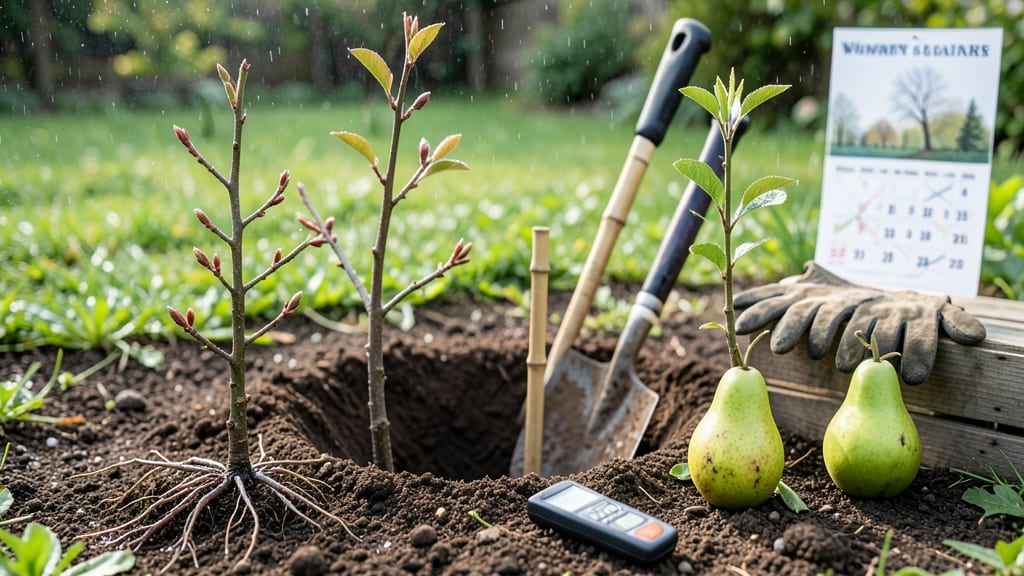
Planting your 🍎 fruit tree at the wrong time in Zone 6 could mean weak roots struggling through winter—or worse, a tree that never fully thrives. The key to success lies in understanding the perfect window when soil temperatures and frost patterns align for strong root growth.
Most gardeners in Zone 6 assume spring is the only option, but early fall planting offers a hidden advantage: cooler temps and consistent moisture help roots establish before winter sets in.
I’ll break down exactly why timing matters and how to choose the best season for your climate, whether you’re planting apples, peaches, or cherries.
You’ll also discover how to prepare your soil, select the right rootstock, and avoid common mistakes that trip up even experienced growers. With the right approach, your fruit tree will hit the ground running—literally—and set you up for years of bountiful harvests.
Let’s get started with the science-backed steps to plant your fruit tree at the ideal time for Zone 6’s unique growing conditions.
Best planting months for fruit trees in Zone 6: science-backed timing for root success
Zone 6 gardeners face a critical 165-day frost-free window, making timing everything for fruit tree success. Planting outside this window risks root shock or winter damage before roots establish. The ideal planting months align with soil temperatures above 40°F (4°C) and before fall dormancy begins.
Spring planting (March-April) gives roots 6-8 weeks to grow before summer heat, while fall planting (September-October) allows roots to establish before first frost. Both windows avoid the dormant season when trees can't absorb nutrients efficiently.
Here's the science-backed breakdown of optimal planting windows for Zone 6 fruit trees, including soil temperature thresholds and frost risk factors:
| Planting Window | Soil Temp Threshold | Frost Risk | Root Establishment Time |
|---|---|---|---|
| Early Spring (March-April) | 45-55°F (7-13°C) | Low (after April 15) | 6-8 weeks before summer |
| Late Fall (September-October) | 50-60°F (10-16°C) | Moderate (before Oct 15) | 4-6 weeks before dormancy |
| Avoid Planting | Below 40°F (4°C) | High (Nov-Feb) | Root growth halts |
For spring planting, aim for March-April when soil temperatures consistently stay above 45°F (7°C). This gives roots 6-8 weeks of active growth before summer dormancy. Peach and cherry trees benefit most from early spring planting, as they need warm soil to break dormancy.
Fall planting in September-October works best when soil remains above 50°F (10°C) and before first frost. This allows roots to establish without competing with summer heat. Apple and pear trees often thrive with fall planting due to their slower root growth in cooler temperatures.
The Zone 6 climate pattern creates a 165-day growing window, with average last frost dates around April 15 and first frost around October 15. Planting outside these windows risks root shock or insufficient establishment before winter dormancy.
Soil temperature plays a critical role—roots need 50°F (10°C) minimum to grow actively. Use a soil thermometer to monitor conditions before planting. In clay-heavy Zone 6 soils, roots may struggle to warm up, delaying establishment by 2-3 weeks.
Common mistakes in Zone 6 include planting too late in spring (after May) or too early in fall (before September). Both scenarios leave trees vulnerable to late-season heat stress or early frost damage. Always check your local frost dates for precise timing.
For container-grown trees, adjust timing slightly—plant 2 weeks earlier in spring or 2 weeks later in fall since they establish faster. Bare-root trees need immediate planting to prevent root desiccation, making spring the preferred window for these varieties.
Pro tip: Mulch heavily after planting to maintain consistent soil temperatures. Use 3-4 inches of organic mulch to protect roots from temperature fluctuations and retain moisture during Zone 6's variable spring weather. 🌱
How to prepare for Zone 6 fruit tree planting: soil, location, and pre-planting steps
Zone 6 gardeners face unique challenges when planting fruit trees—clay-heavy soils, short growing seasons, and unpredictable frosts can derail even the best-laid plans. But with the right prep, you can give your young trees the strong root system they need to thrive.
I’ve learned that soil amendments and microclimate selection are the two most critical factors for success in this zone.
Before digging, test your soil’s pH and drainage. Most fruit trees prefer a slightly acidic pH (6.0-7.0) and well-draining soil. If your soil is heavy clay, like much of Zone 6, amend with compost or aged manure to improve structure.
I’ve found that mixing in 2-3 inches of compost into the planting hole makes a world of difference for root development.
⚠️ WARNING: Common Mistake in Zone 6 Planting Planting fruit trees too late in fall or too early in spring can lead to root damage from frost or stunted growth due to heat stress.
In Zone 6, aim for early spring (March-April) or early fall (September-October)—but never after October 15, when the first frost typically hits. Young roots need 4-6 weeks to establish before winter dormancy begins, so timing is everything.
Location matters just as much as soil. Choose a spot with full sun (6+ hours daily) and shelter from harsh winds, which can dry out young trees.
I’ve had the best luck planting near south-facing fences or buildings—they create a microclimate that warms up faster in spring and retains heat longer in fall. Avoid low-lying areas where cold air pools, as this can delay root growth.
Once you’ve picked the perfect spot, soak the planting hole with water before placing your tree. This helps remove air pockets and encourages roots to spread outward. After planting, mulch heavily (3-4 inches of organic mulch) to retain moisture and regulate soil temperature.
I use straw or wood chips, keeping them 6 inches away from the trunk to prevent rot.
Watering is non-negotiable in the first year. Deep watering once a week (15-20 gallons per tree) is better than frequent shallow watering. In Zone 6’s hot summers, you may need to water twice weekly to prevent drought stress.
I set up a drip irrigation system for my trees—it’s hands-off and ensures consistent moisture.
Finally, protect young trees from late frosts with frost cloth or row covers if your area gets unexpected cold snaps. Prune any damaged branches in early spring to encourage new growth.
With these steps, your fruit trees will have the strong foundation they need to bear fruit for years to come. 🌱