
Trees
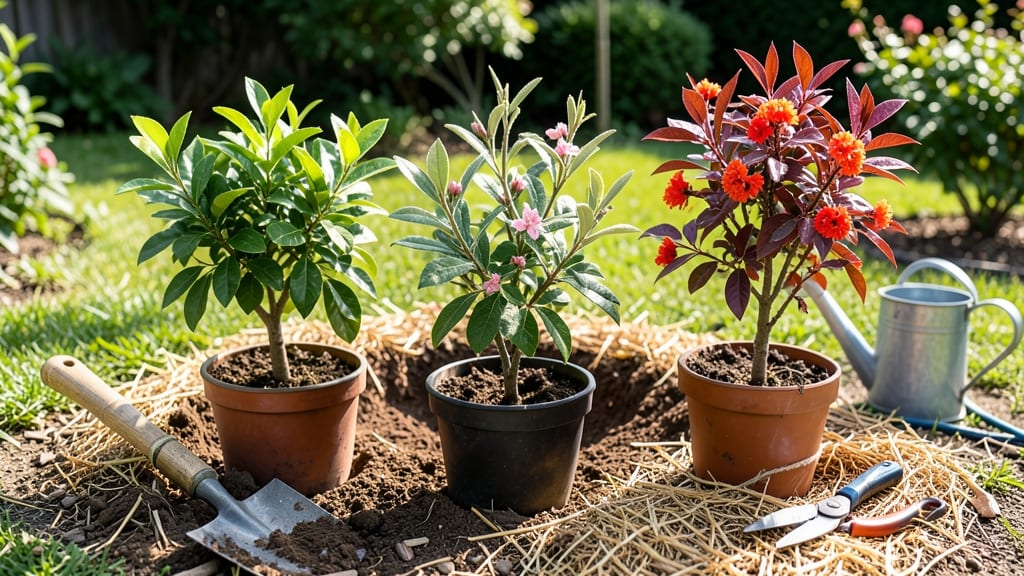
Planting fruit trees in California at the wrong time can mean wasted effort—or even lost trees—due to unexpected frost. But timing it just right guarantees stronger root growth, faster fruiting, and a thriving orchard.
Here’s how to pinpoint the exact window for your microclimate, from coastal fog belts to inland heat zones.
California’s diverse climates mean your neighbors might be planting while you’re still waiting for the perfect moment. Coastal areas like San Francisco thrive with early spring plantings, while inland zones like Fresno need to wait until after the last frost risk has passed.
The key is understanding your local frost dates and soil conditions.
Whether you’re growing citrus in the desert or stone fruits in the foothills, the right timing makes all the difference. I’ll break down the best planting windows for each region, so you can avoid common mistakes and set your fruit trees up for success from day one.
Ready to get started? Let’s dive into the best practices for planting fruit trees that will flourish year after year, no matter where you are in California.
California’s 3 planting zones by microclimate: coastal, foothills & desert timelines
California’s diverse microclimates create wildly different planting windows for fruit trees. In coastal zones like San Francisco, cool summers and mild winters mean you can plant citrus and avocado almost year-round, while foothill regions like Sacramento demand precise timing to avoid late spring frost.
Meanwhile, desert areas like Palm Springs require early planting to establish roots before summer heat sets in.
Understanding your zone’s frost-free deadline is critical—planting too late can stunt root growth, while planting too early risks cold damage. For deciduous trees like peaches and apples, aim for dormancy in winter, but evergreens like citrus need consistent warmth. Let’s break down the exact windows for each zone.
| Zone & Location | Optimal Planting Window | Frost-Free Deadline | Soil Prep Tip | Best Varieties |
|---|---|---|---|---|
| Coastal (San Francisco, LA) | November–March | No frost risk year-round | Amend with compost + sand for drainage | Citrus, avocado, olive |
| Foothills (Sacramento, Fresno) | February–April | Last frost: March 15–April 15 | Test pH (6.0–7.0) + add organic matter | Peach, apple, plum |
| Desert (Palm Springs, Coachella) | October–November | No frost, but avoid summer heat | Use mulch to retain moisture | Fig, pomegranate, date palm |
In coastal zones, the mild climate lets you plant citrus trees anytime, but I recommend November–March to align with natural rainfall. The foggy air reduces transplant shock, but well-draining soil is a must—citrus hates soggy roots. For avocados, choose a spot with afternoon shade to prevent leaf burn.
Foothill regions like Sacramento have variable frost dates, so I always check local records before planting. Peach trees need to establish roots before late spring frost, which can hit as late as April.
Amend your soil with composted manure to boost fertility—these trees are heavy feeders. Apple trees thrive here but need cross-pollination, so plant at least two compatible varieties.
The desert’s October–November window is perfect for beating summer heat. Fig trees and pomegranates love the dry climate, but they’ll need deep watering every 7–10 days once established.
I always mulch heavily to lock in moisture—desert soil drains like a sieve. Avoid planting in summer; the heat stress can kill young trees before they take root.
Evergreens like citrus and olives handle coastal conditions beautifully, but deciduous trees need extra care in transitional zones. If you’re in Zone 8–9, like much of Southern California, you can push planting to early spring for stone fruits.
Just monitor weather forecasts—unpredictable Santa Ana winds can dry out soil faster than expected.
For soil prep, I can’t stress enough how critical it is. Coastal areas need sandy loam to prevent salt buildup, while foothills benefit from loamy soil with good organic content. Desert soils often lack nutrients, so I mix in well-rotted compost and a slow-release fertilizer at planting time.
A soil test is worth the investment—it’ll tell you exactly what amendments you need.
Pro tip: Bare-root trees are easiest to plant in winter, but container-grown trees give you more flexibility. If you’re planting in spring, soak the roots for 2–3 hours before setting them in the ground.
This jumpstarts hydration and reduces transplant shock. Water deeply after planting—10–15 gallons for mature-sized trees—to settle the soil around roots.
Remember, microclimates within zones matter too. A backyard in Santa Barbara might be 10°F warmer than one in San Francisco, altering your frost-free deadline. Use a minimum thermometer to track overnight temps if you’re on the fence about timing.
And always plant 2–3 inches deeper than the root flare—this encourages strong root growth downward.
Finally, mulch is your best friend in all zones. A 3–4 inch layer of wood chips or straw conserves moisture, regulates soil temperature, and suppresses weeds. In coastal areas, I use gravel mulch to improve drainage, while desert plantings benefit from organic mulch to retain every drop of water.
Adjust your mulch type based on your soil’s natural drainage.
How to avoid common mistakes that ruin fruit tree planting in California
Even experienced gardeners in California make costly mistakes when planting fruit trees—like ignoring microclimate frost risks or mismatching rootstocks to soil types. These errors can delay fruiting by years or worse, kill young trees before they establish.
The key is proactive planning, especially when dealing with citrus trees in coastal zones versus stone fruits in inland valleys.
One of the biggest pitfalls is planting too late in high-risk frost zones like the Central Valley. A single late-season frost can damage tender new growth, setting your tree back months.
Meanwhile, coastal gardeners often overlook the fact that citrus trees need slightly acidic soil (pH 6.0–7.0), while peaches and plums thrive in neutral to alkaline soil (pH 6.5–7.5). Skipping a simple soil test can mean stunted growth or poor fruit quality.
Another critical oversight? Not checking rootstock compatibility with your chosen fruit variety. For example, grafting a dwarfing rootstock onto a full-size peach tree won’t work—it’ll lead to poor graft union strength and weak branches. Always verify compatibility charts before buying bare-root trees or grafts.
California’s last frost dates vary wildly—from December in desert zones to March in coastal areas. Planting bare-root trees in late winter (February–March for most regions) gives roots time to establish before summer heat. In Zone 7b+ (Central Valley), wait until April 15th to avoid frost damage. Use local USDA frost maps or ask your county extension office for precise deadlines.
Pro Tip: Container-grown trees can be planted 6 weeks earlier than bare-root, but always mulch heavily to protect roots.
Before digging, run a pre-planting site evaluation using this quick checklist: test soil pH, check drainage (citrus hates soggy roots), and measure sunlight exposure.
A south-facing slope with 6+ hours of sun is ideal for most fruit trees, but peaches need afternoon shade in hot inland areas to prevent sunburn on fruit.
Even with perfect timing, watering mistakes can undo progress. Newly planted trees need deep, infrequent watering (1–2 inches per week) to encourage deep root growth. Shallow watering leads to weak roots that can’t support the tree during droughts.
Use a soaker hose or drip irrigation to deliver water directly to the root zone, avoiding leaf wetness that invites fungal diseases.
Finally, resist the urge to fertilize heavily right after planting. Young trees need balanced nutrients (10-10-10), but too much nitrogen early on promotes leafy growth at the expense of root development.
Wait until 6–8 weeks post-planting to apply a light dose, then follow up with compost or organic matter to improve soil structure over time.
By avoiding these common mistakes—timing, soil prep, rootstock matches, and watering—your fruit trees will establish faster, fruit earlier, and thrive for decades. Start with a site evaluation, then plant during the optimal frost-free window for your region. Your future harvests will thank you! 🌳💧