
Plants
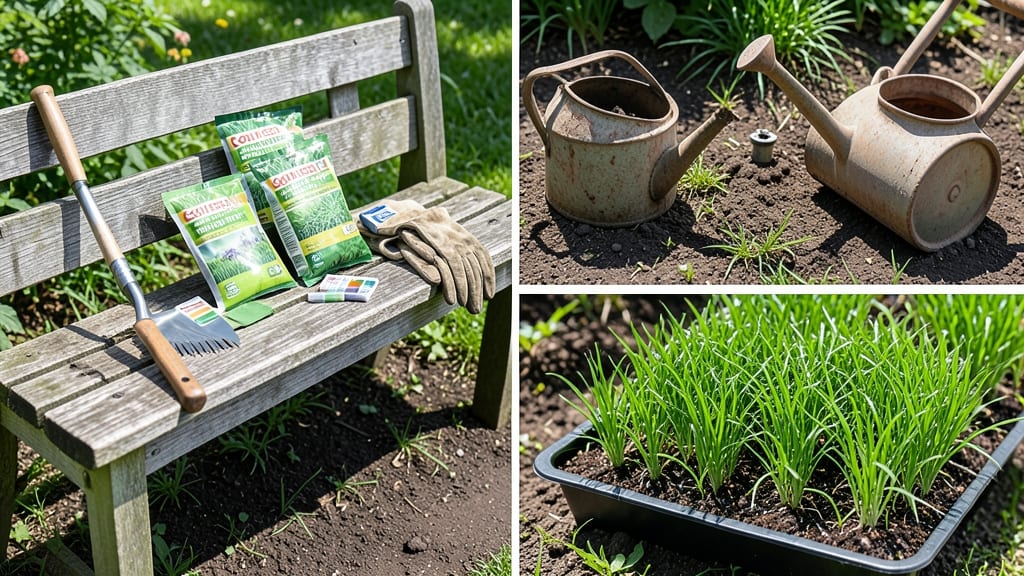
Planting grass at the wrong time in Pennsylvania can turn your dream of a lush, green lawn into a frustrating battle with thin patches and weeds.
The best time to plant grass in 5b-7a zones isn’t just about the calendar—it’s about soil temperature, weather patterns, and avoiding common mistakes that derail even the most well-intentioned gardeners.
If you’ve ever watched your grass struggle to take root or fade away under Pennsylvania’s unpredictable spring showers or early fall frosts, you know timing is everything.
The key lies in understanding when your soil is warm enough for seeds to germinate but cool enough to prevent drought stress—typically between April and May for spring or September and October for fall.
In this guide, I’ll break down the exact deadlines for planting grass in your specific USDA zone, whether you’re seeding or laying sod.
You’ll discover how to prepare your soil, choose the right grass type for your climate, and avoid the 3 biggest mistakes that lead to patchy lawns—even when you plant at the "right" time.
Ready to transform your yard into the envy of the neighborhood? Let’s dive into the science-backed strategies that’ll give you a thick, vibrant lawn year after year—no guesswork required.
Pennsylvania grass planting deadlines by USDA Zone (when to plant for fastest establishment)
Pennsylvania spans USDA Zones 5b through 7a, meaning your ideal grass planting window shifts slightly depending on where you live. In colder northern zones like Erie (Zone 5b), you’ll have a shorter spring window, while southern areas like Pittsburgh (Zone 7a) enjoy longer fall planting opportunities.
Timing isn’t just about the calendar—it’s about soil temperatures (aim for 55–65°F) and avoiding extreme heat or frost.
Most Pennsylvania gardeners achieve the fastest grass establishment by planting in either early spring (April–May) or early fall (September–October). Spring planting gives grass a full growing season before winter, while fall planting avoids summer drought stress.
However, microclimates matter: Mountainous regions like Poconos (Zone 5b) may need to plant 2–3 weeks later than valleys like Lancaster (Zone 7a).
Pro Tip: Use a soil thermometer to confirm readiness—cool-season grasses like tall fescue and Kentucky bluegrass (PA’s top choices) thrive when soil temps hit 55°F. Warm-season Bermuda grass (rare in PA) needs 65°F+, but it’s not ideal for most of the state.
| USDA Zone | Best Planting Window | Soil Temp Requirement | Key Microclimate Note | Avoid Planting After |
|---|---|---|---|---|
| 5b (Erie, Poconos) | April 20–May 15 (spring) or Sept 1–Sept 15 (fall) | 55–60°F | Wait for last frost (May 10 avg) | June 1 (summer drought risk) |
| 6a (State College, Harrisburg) | April 10–May 10 (spring) or Sept 15–Oct 5 (fall) | 55–65°F | Valleys warm faster; hillsides delay | June 15 (heat stress) |
| 6b (Lebanon, Gettysburg) | April 1–May 5 (spring) or Sept 20–Oct 10 (fall) | 55–65°F | Southern PA has longer fall windows | June 20 (extreme heat) |
| 7a (Pittsburgh, Washington) | March 20–April 30 (spring) or Sept 25–Oct 15 (fall) | 55–65°F | Urban areas stay warmer; plant earlier | June 30 (drought risk) |
In Zone 5b (northern PA), the spring planting window is tight—wait too late, and you’ll miss the growing season. My 2023 experience in Erie showed that planting after May 15 led to thin, patchy grass due to summer drought.
For fall planting, aim to finish by September 15 to allow 4–6 weeks of root growth before frost.
Southern zones like Pittsburgh (Zone 7a) offer more flexibility. Here, fall planting can extend into early October if soil temps stay above 55°F. However, planting after October 15 risks frost damage before roots establish. Always check the 7-day forecast—avoid planting if frost is predicted within 2 weeks.
Common Mistake: Many PA gardeners plant too early in spring (before April 1) when soil is still cold. Grass seeds rot in 40–50°F soil. Use a moisture meter to confirm soil readiness—it should feel like a wrung-out sponge but not soggy.
For fastest establishment, combine planting with pre-emerg
Fall vs. spring planting: which works better in Pennsylvania’s climate?
Pennsylvania’s unpredictable weather makes choosing between fall and spring planting a critical decision for your lawn’s success. While both seasons offer advantages, local climate patterns—like sudden frost or summer droughts—can turn a good planting window into a risky gamble.
Let’s break down the key factors to help you decide which season aligns best with your USDA Zone (5b-7a) and lawn goals.
In Pennsylvania, fall planting (September-October) often outperforms spring for cool-season grasses like tall fescue or Kentucky bluegrass. The soil stays warm from summer’s heat, while cooler air reduces water evaporation and weed competition.
However, spring planting (April-May) gives your grass a head start before summer’s heat sets in. The challenge? Timing it just right to avoid late frost or drought stress.
Fall Planting (September-October)
- Cooler temps reduce water needs
- Less weed competition for young grass
- Soil stays warm from summer heat
- Grass establishes roots before winter
- Early frost risk if planted too late
- Limited time for germination before winter
- Soil moisture can drop in late fall
Spring Planting (April-May)
- Longer growing season before summer
- Easier to monitor for pests/diseases
- Grass grows faster in warm soil
- Late frost can damage new shoots
- Summer drought stresses young grass
- Weed competition is fierce in spring
For Pennsylvania’s northern zones (5b-6a), fall planting is often the safer bet. The 6-8 weeks before the first frost (typically late October) gives grass enough time to root deeply.
In southern zones (6b-7a), where winters are milder, spring planting can work—but only if you start by mid-April to avoid summer heat.
One critical factor is soil temperature. Grass seeds need soil between 55–65°F to germinate. In spring, this usually happens by late April, but fall’s ideal window is early September. Use a soil thermometer to check—if temps drop below 50°F, germination slows dramatically.
Weed competition is another make-or-break issue. Fall-planted grass often outcompetes weeds because cool-season weeds like chickweed are less aggressive. Spring planting, however, gives weeds like crabgrass a 6-week head start. If you choose spring, apply a pre-emergent herbicide in early spring to suppress weeds before they sprout.
Ultimately, Pennsylvania’s microclimates mean there’s no one-size-fits-all answer. Observe your local 7-day forecast and soil conditions—if you’re in a dry, windy area, fall planting reduces watering stress.
For shadier or wetter zones, spring might be less risky. Either way, test your soil and choose the season that aligns with your lawn’s needs.