
Plants
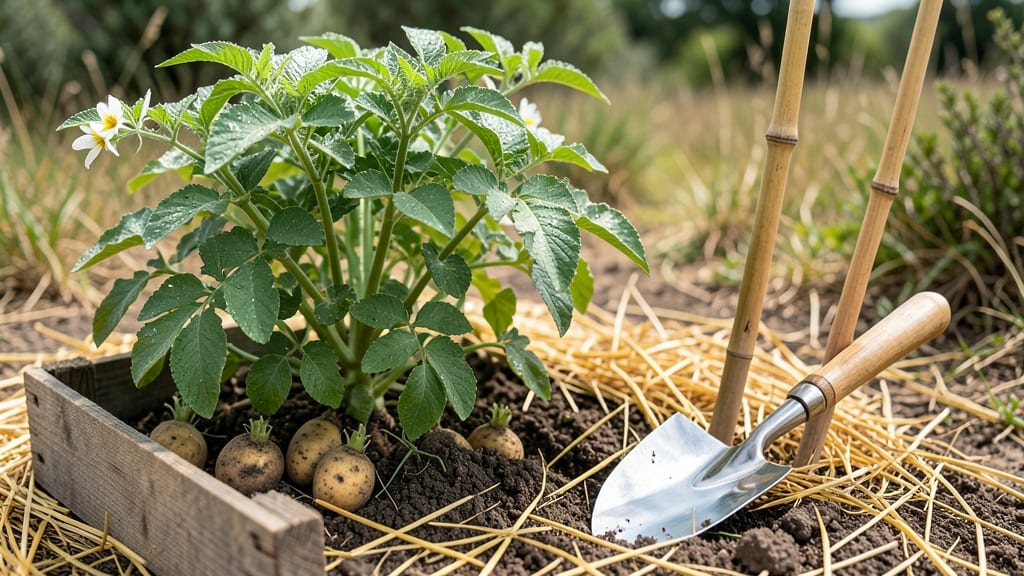
Planting potatoes in North Carolina at the wrong time can mean the difference between a bountiful harvest of crisp, golden spuds and a sad, stunted mess.
The key isn't just throwing seed potatoes into the soil—it's knowing exactly when to start them for your specific zone, whether you're in the mountains or the coastal plains.
For most of North Carolina's 7a-8b zones, the sweet spot is early spring—think February to March—but early varieties can even go in as soon as January.
This timing lets your 🥔 tubers establish roots before the last frost (usually around March 15 in most areas), giving them the head start they need to thrive.
Why does this matter? Because potatoes are finicky about temperature. Plant too early, and cold soil slows growth; too late, and you risk blight or pests.
I’ll break down the perfect planting windows for your exact location, plus pro tips to adjust for NC’s tricky microclimates—so you can avoid common mistakes and enjoy a harvest from May to July.
Ready to grow potatoes like a local? Let’s dig into the exact dates, soil prep secrets, and care steps that’ll turn your garden into a spud-producing powerhouse—no guesswork required.
North Carolina potato planting calendar by USDA hardiness Zones (7a-8b)
North Carolina’s USDA Zones 7a-8b offer a perfect window for growing potatoes, but timing is critical. Plant too early, and frost can damage tender sprouts.
Plant too late, and your harvest shrinks before summer heat sets in. The key? Understanding your frost-free dates and soil temperatures to maximize tuber development.
Most NC gardeners aim to plant 2-4 weeks before the last frost, typically between mid-February and early April. However, early varieties can even go in as soon as January in Zone 8b areas like the Coastal Plain.
For late-season harvests, some gardeners try a fall planting in August-September, though this requires careful planning.
| Zone & Region | Planting Window | Soil Temp Requirement | Last Frost Date | Harvest Window |
|---|---|---|---|---|
| Zone 7a (Mountains) | Late March - Early April | 45-50°F (7-10°C) | Mid-April | June - Early July |
| Zone 7b (Piedmont) | Mid-February - Late March | 40-45°F (4-7°C) | Early April | Late May - June |
| Zone 8a (Coastal) | January - Early March | 35-40°F (2-4°C) | Late February | April - May |
| Zone 8b (Southern Coastal) | December - January | 30-35°F (-1 to 2°C) | Early February | March - April |
| Note: Adjust for microclimates—valleys frost later; slopes warm faster. | ||||
For early-season potatoes, focus on fast-maturing varieties like 'Yukon Gold' or 'Red Norland' (90 days).
These thrive when planted in February-March and deliver harvests by May-June, just as summer pests like Colorado potato beetles ramp up. Mid-season varieties like 'Kennebec' (110 days) planted in March-April give you a June-July harvest before the heat peaks.
Soil temperature is just as critical as air temperature. Potatoes need soil temps above 45°F (7°C) to sprout consistently. Use a soil thermometer to check—if it’s colder, wait or use black plastic mulch to warm the soil faster.
In Zone 7a mountains, this might delay planting until late March, while Zone 8b coastal areas can start as early as December for overwintered crops.
Don’t overlook fall planting for a late harvest. In August-September, plant early-maturing varieties like 'Early Girl' (60 days) to harvest before the first frost in November. This works best in Zone 8a and warmer, where frost arrives later. Use row covers to extend the season if needed.
Pro tip: Calculate your frost-free date by averaging the last 3 years’ data for your area. The NC State Climate Office offers free frost maps—bookmark theirs for real-time updates! For example, Asheville (Zone 7a) averages April 15 for last frost, while Wilmington (Zone 8a) hits it by February 15.
Planting 4 weeks before these dates ensures your potatoes establish roots before warm weather arrives.
If you’re in a humid microclimate like the Piedmont, prioritize well-draining soil and disease-resistant varieties like 'Adirondack Red' to avoid blight. In
How to adjust planting dates for North Carolina’s microclimates and soil types
North Carolina’s diverse geography means your potato planting dates should vary based on where you live. Coastal areas like Wilmington have warmer winters than the Piedmont’s clay-heavy soils, while mountain regions like Asheville experience earlier frosts.
These differences can shift your ideal planting window by 4-6 weeks—so let’s break it down by region.
For coastal NC (Zones 8a-8b), where soils are sandy and drain quickly, you can plant earlier than inland areas. Aim for mid-January to early February for early varieties like Yukon Gold, which thrive in warmer soil.
Inland Piedmont gardeners (Zones 7a-7b) should wait until late February to March when soil temps reach 45°F.
Mountain regions (Zones 6b-7a) face colder soils and shorter seasons, so plant late March to early April for frost-sensitive varieties. Use cold frames or row covers to extend your growing window by 2-3 weeks—just remove them when flowers appear to prevent overheating.
⚠️ callout warning
Coastal NC: If you plant before January 15, tubers may sprout too early and rot in soggy soils after rains. Wait until soil temps are consistently above 40°F.
Piedmont: Planting after March 15 risks late blight from humidity. Use resistant varieties like Red LaSoda if extending into April.
Mountains: Never plant before April 1—frost can kill young plants. Test soil with a thermometer to confirm it’s 50°F+ at 4" depth.
Your soil type also demands adjustments. Sandy coastal soils warm faster but dry out quickly, so plant earlier and mulch heavily with straw or pine needles to retain moisture. Clay-heavy Piedmont soils stay colder longer, so add compost or aged manure 2-3 weeks before planting to warm the soil.
For mountain gardeners, prioritize early-maturing varieties like Kennebec (90 days) over Russet Burbank (120 days). Use black plastic mulch to raise soil temps by 5-10°F and plant through slits in the plastic. Remove it when plants emerge to prevent overheating.
Watch for these warning signs your planting time is off: yellowing leaves (too cold), stunted growth (too hot), or excessive wilting (wrong soil moisture). Adjust by adding mulch or shading young plants if needed. With these tweaks, you’ll harvest crisp, disease-free potatoes regardless of NC’s microclimate.