
Plants
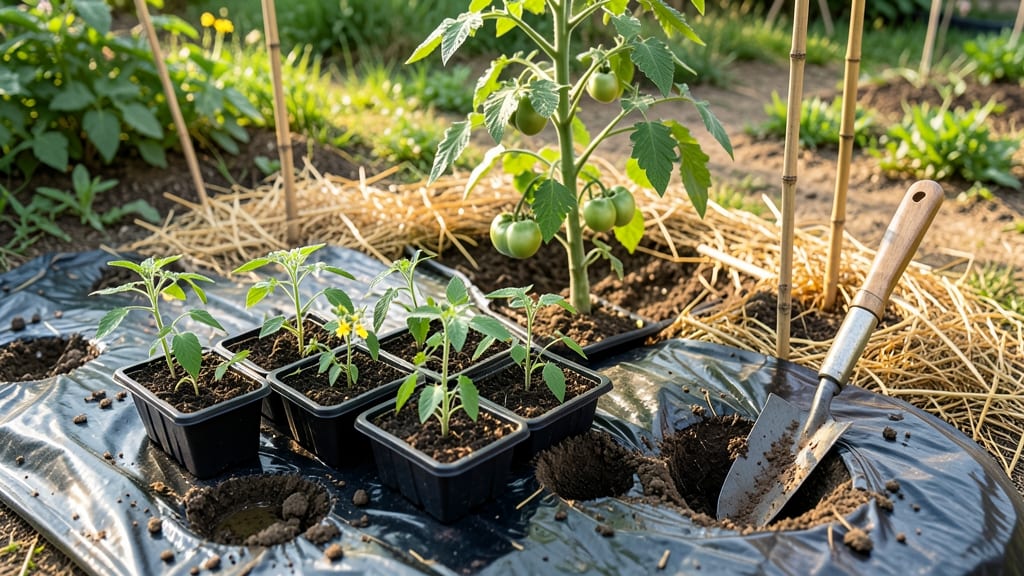
Planting tomatoes in Georgia at the wrong time can turn your 🍅 dreams into a frost-kissed disaster—because that last spring chill doesn’t care how much you love your garden.
The key to a thriving harvest lies in knowing exactly when to plant, down to the week, so you avoid both early frosts and the brutal summer heat that can stress your plants before they even fruit.
Here’s the truth: Georgia’s 7b-8b zones give you a longer growing window than most, but timing still matters.
Whether you’re transplanting seedlings or sowing seeds directly, getting it wrong by even a few days can mean the difference between a garden full of ripe tomatoes and one full of sad, wilting plants.
I’ll break down the best planting windows for your specific region—coastal, Piedmont, or mountain—so you can start confidently and avoid common mistakes that waste time and effort.
Ready to skip the guesswork? You’ll learn how to read your local frost dates, adjust for microclimates (like Atlanta’s urban heat islands or Savannah’s coastal breezes), and even push your season earlier with row covers or cold frames.
By the end, you’ll know precisely when to plant for maximum yield—no more second-guessing, just a garden that delivers.
Let’s get your tomatoes in the ground at the perfect moment, so you’re harvesting 🍅s from June to October without a hitch. Your future self (and your dinner plate) will thank you.
Georgia’s frost-free deadlines by heat zone: exact planting windows
Georgia’s diverse climate means your last frost date could vary by 3 weeks depending on where you garden. Understanding your USDA heat zone (5A through 8B) ensures you plant tomatoes at the perfect time for maximum yield.
In Zone 5A (northwest mountains), wait until April 15, while Zone 8B (coastal areas) can start as early as March 1. Microclimates—like urban heat islands or sheltered valleys—can shift these dates by 7-10 days.
For cool-season varieties (like Cherokee Purple), aim to transplant 2-3 weeks before your last frost. Heat-tolerant varieties (such as Celebrity or Solar Fire) thrive when planted after May 1 in most zones.
Rural areas typically have earlier frost-free windows than cities due to urban heat retention, so adjust accordingly.
Here’s your zone-by-zone planting timeline, including soil temperature thresholds and microclimate adjustments for urban vs. rural Georgia:
In Zone 5A, where frosts linger until April 15, opt for early-maturing varieties like Stupice (60 days) to avoid late-spring frosts. Use row covers to protect seedlings if planting 2 weeks early.
For Zone 8B, coastal gardeners can plant heat-lovers such as Solar Fire as early as January 25, but watch for hurricane risks in June.
Urban gardeners in Atlanta (Zone 7B) often face earlier frosts due to concrete heat absorption, so delay transplanting by 3-5 days compared to rural areas.
Test your soil temperature with a soil thermometer—tomatoes need 60°F+ soil to thrive. If your soil runs cooler than 55°F, wait 1-2 weeks longer.
For late-season planting, aim to transplant heat-tolerant varieties by June 1 in most zones. In Zone 7A/7B, this gives you a 90-day harvest window before the first frost (November 15).
Use mulch to retain soil warmth and drip irrigation to prevent blossom-end rot during Georgia’s summer heat waves.
Pro tip: In Zone 8A/8B, where winters are mild, you can plant a second crop in late summer (August 15–September 1) for a fall harvest
How to Extend your Georgia tomato season: starter plants vs. seeds timing
Timing your tomato planting in Georgia is all about balancing soil warmth, frost risk, and variety maturity. While Georgia’s mild winters might tempt you to plant early, waiting for 50°F soil temperatures prevents cold damage.
Heirloom varieties need extra care—transplanting too soon can stunt their growth, while hybrids often bounce back faster. The key is knowing when to start seeds indoors versus buying transplants to maximize your harvest window.
Georgia’s last frost dates vary by region—coastal areas like Savannah typically see frost-free conditions by mid-February, while inland cities like Atlanta wait until mid-March. However, soil temperature is more critical than air temperature. Use a soil thermometer to confirm 60°F+ before transplanting, as cooler soils delay root establishment.
For early planting, row covers or cold frames can push your window back by 2-4 weeks, but remove them once flowers appear to prevent heat stress.
If you’re growing heirloom tomatoes, like Brandywine or Cherokee Purple, start seeds indoors 8-10 weeks before your last frost date. These varieties need more time to mature and thrive in Georgia’s heat, so don’t rush transplanting.
For hybrid varieties, such as Celebrity or Better Boy, you can cut it closer—6-8 weeks is plenty. Hybrids often handle transplant shock better, making them ideal for Georgia’s unpredictable spring weather.
To push your season even further, consider using row covers or cold frames. These tools can extend your planting window by 2-4 weeks, giving you an earlier harvest. For example, in Atlanta, you might start heirloom seeds indoors in January and transplant in early April under row covers.
Remove the covers once flowers appear to prevent overheating. Just remember: hybrids tolerate heat better than heirlooms, so they’re your best bet for late-season planting.
One common mistake in Georgia is planting too late in the season. If you miss the May 1 window for direct sowing, you risk hurricanes or September heat waves stunting your plants.
Instead, focus on succession planting: start a second batch of seeds indoors in June for a fall harvest. Use shade cloth during peak summer heat to protect seedlings from wilting.
With the right timing and a little extra care, you can enjoy tomatoes from June through October—or even later with proper planning!
For Georgia gardeners, the secret to a long tomato season lies in soil temperature, variety selection, and season-extending tools. Whether you’re a seed starter or a transplant buyer, matching your method to your local frost date and heat tolerance will give you the best results.
And don’t forget: patience pays off—rushing leads to disappointment, while careful timing rewards you with a garden full of ripe, juicy tomatoes! 🍅