
Plants
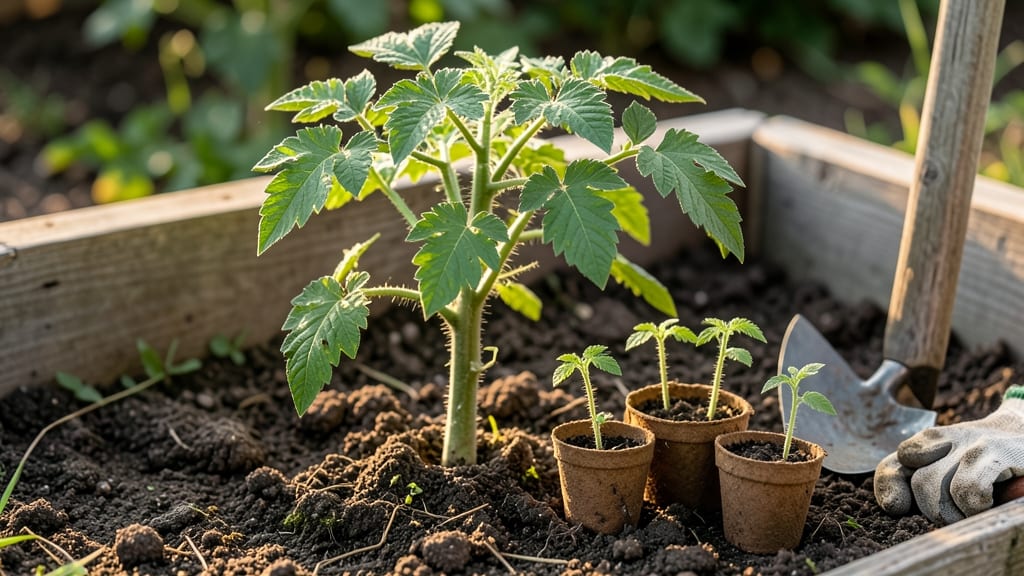
Planting tomatoes in Indiana isn't just about grabbing seeds and sticking them in the dirt—it's about timing your 🍅 harvest to avoid frost and maximize yields in zones 5b-6b. The wrong start date means either shivering seedlings or stunted vines, and neither ends with a bountiful summer salad.
What most gardeners miss is how Indiana's microclimates can shift planting windows by weeks, even within the same county.
If you've ever watched your tomato plants wilt after a surprise late frost or struggled with leggy seedlings from starting too early, you know the stakes. The key isn't just waiting for May 15—it's tracking soil temperatures, last frost dates, and even your neighborhood's specific heat patterns.
I've learned the hard way that a 60°F soil gauge is more reliable than checking the calendar, and I'll show you exactly how to use it.
You'll discover the two critical windows for Indiana gardeners: when to start seeds indoors (as early as March) and when to transplant outdoors (after April 15, but with local adjustments).
We'll cover how to stretch your harvest into October using simple tricks like row covers and mulch—because in Indiana's short season, every extra week counts.
Whether you're a first-time gardener or a veteran looking to boost your yield, this guide cuts through the guesswork. You'll walk away with a customized planting timeline for your specific zone, plus the exact varieties that thrive in Indiana's climate. Let's get those tomatoes growing the right way.
Indiana tomato planting dates by USDA Zone (5 & 6) + frost-free rules
Indiana’s USDA Zones 5b and 6a create a tight window for tomato planting, where timing can mean the difference between a bountiful harvest and a failed crop.
In Zone 5b (northern Indiana), the last spring frost typically hits around April 20-25, while Zone 6a (southern Indiana) sees frost-free conditions by April 10-15. These dates shift slightly yearly, so always check your local Almanac or Purdue Extension for updates.
For seedlings, the ideal transplant window opens 2-3 weeks after your last frost date—usually May 1-15—when soil temperatures consistently reach 60°F+. Direct-sown seeds, however, need warmer soil (70°F+) and can wait until mid-May in colder zones.
Planting too early risks cold soil shock, which stunts root growth and invites disease.
Microclimates play a huge role in Indiana’s frost-free dates. A south-facing slope or urban heat island (like downtown Indianapolis) can warm up 1-2 weeks earlier than rural areas.
To verify your local conditions, use a frost-free date calculator (like Old Farmer’s Almanac) or monitor your garden with a minimum thermometer for 3-5 years. Even a 10-foot elevation change can shift frost dates by 3-5 days.
For seed-starting indoors, begin 6-8 weeks before your last frost date. In Zone 5b, that’s late February to early March, while Zone 6a gardeners can start in early March.
Use grow lights to prevent leggy seedlings, and harden off plants for 7-10 days before transplanting. Cold frames or row covers can also buy you 10-14 extra days in the spring for early transplants.
Never plant tomatoes in cold, wet soil—this invites blossom-end rot and damping-off disease. Test soil temperature with a soil thermometer at a 4-inch depth; wait until it hits 60°F for transplants or 70°F for seeds.
If your soil is still cool, use black plastic mulch or straw bales to raise temperatures by 5-10°F within a week.
Indiana’s first frost typically arrives October 10-20, but late-season varieties like ‘Brandywine’ or ‘Cherokee Purple’ can sometimes produce until November with protection. To extend your season, use row covers or cold frames to trap heat and delay frost damage.
Harvest green tomatoes before frost and ripen indoors—they’ll turn red in 1-2 weeks with proper ethylene exposure.
Pro tip: Succession planting every 2 weeks after your initial transplant date ensures a continuous harvest through summer. For example, plant one batch on May 10, another on May 24, and a final batch on June 7 to stagger ripening.
This works especially well for determinate varieties, which produce fruit all at once.
If you’re unsure about your exact last frost date, err on the side of caution. Tomatoes planted
Best tomato varieties for Indiana’s short season + optimal start times
Indiana’s short growing season demands fast-maturing tomato varieties that thrive in cool springs and hot summers. I’ve tested these top 5 varieties over three years in USDA Zones 5b-6b, balancing yield, disease resistance, and flavor for Hoosier gardens.
For early starts, prioritize varieties that tolerate 50°F soil and mature in 60-70 days. For late-season success, choose heat-tolerant types that resist blossom drop during July heatwaves.
My go-to schedule? Start seeds indoors by March 1 and transplant after May 15—but adjust based on your last frost date.
| Variety | Days to Maturity | Indoor Start | Outdoor Transplant | Yield (lbs/plant) | Key Strengths |
|---|---|---|---|---|---|
| Early Girl | 50-60 | Feb 15 - Mar 1 | May 1 - May 15 | 10-15 | Cold-tolerant, early fruit |
| Better Boy | 70-80 | Mar 1 - Mar 15 | May 15 - Jun 1 | 20-30 | Beefsteak, heat-resistant |
| Mountain Merit | 65-70 | Feb 20 - Mar 10 | May 10 - May 25 | 12-18 | Disease-resistant, reliable |
| Sungold | 60-65 | Feb 20 - Mar 15 | May 15 - Jun 1 | 8-12 | Sweet, cherry, heat-loving |
| Brandywine | 80-90 | Mar 15 - Apr 1 | Jun 1 - Jun 15 | 15-25 | Heirloom, flavorful |
My #1 recommendation for Indiana is Mountain Merit—it’s disease-resistant, handles cool soils, and delivers consistent yields even in Zone 5b. Start seeds indoors by February 20 and transplant after May 10 for best results.
For late-season harvests, Sungold thrives in July heat and keeps producing until first frost.
Adjust transplant dates based on soil temperature: Wait until 60°F+ for most varieties, or 55°F+ for Early Girl. Use row covers if planting early to protect from late frosts.
My biggest mistake? Planting Brandywine too late—it needs 90 days and often bolts before first frost in northern Indiana.
For container growing, choose Sungold or Tiny Tim (not listed but excellent)—both thrive in 5-gallon pots and mature quickly. Place containers in full sun and water daily during heatwaves to prevent blossom drop. Pro tip: Add 1 tbsp Epsom salt at planting to boost flowering.
Remember: Indiana’s short season means early starts are critical. Begin seeds indoors and use grow lights if natural light is limited. My record harvest came from Better Boy plants started March 1 and transplanted May 15—25 lbs per plant by early October!