
Plants
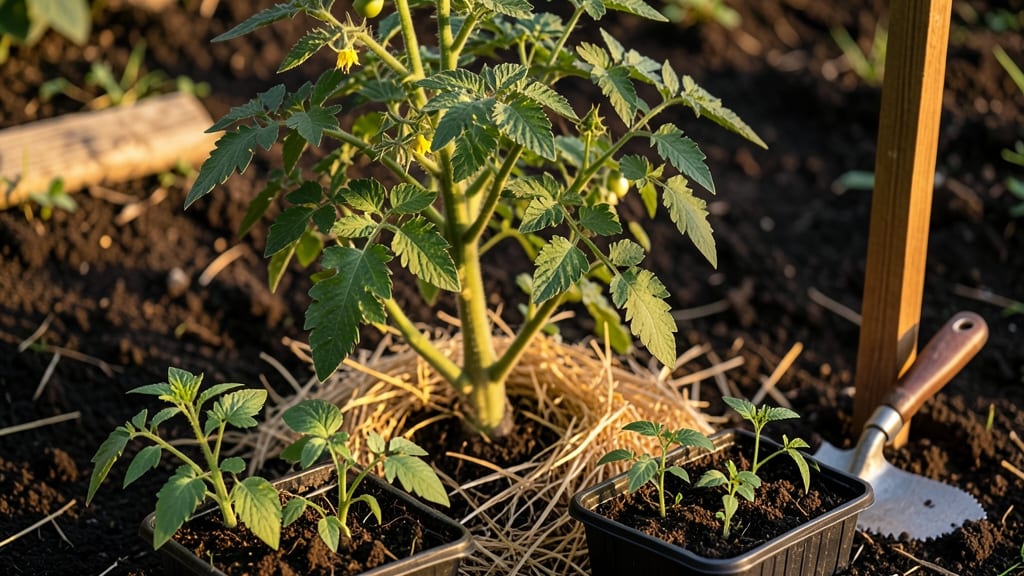
Planting tomatoes in Tennessee isn’t just about grabbing seeds and sticking them in the dirt—timing can make or break your harvest.
Whether you're in Nashville’s urban heat or the cooler hills of the Smoky Mountains, getting those 🍅 seedlings in the ground at the right moment means the difference between a bumper crop and a sad, wilted disappointment.
I’ve learned the hard way that Tennessee’s unpredictable weather demands a strategy. Too early, and a late frost will turn your tender plants into crispy snacks. Too late, and you’ll miss the sweet spot where tomatoes thrive before summer’s brutal heat sets in.
The secret? Knowing your local frost dates and heat zones—and I’ll show you exactly how to use them.
From starting seeds indoors to transplanting outdoors, we’ll cover every step to maximize your tomato season. You’ll discover how to stretch your growing window with simple tricks like row covers and succession planting, so you can enjoy fresh tomatoes from early summer straight through fall.
Ready to turn your backyard into a tomato powerhouse? Let’s dive into the best times to plant, tailored just for Tennessee gardeners like you.
Tennessee’s frost-free date heat zones: the exact timeline for planting tomatoes
Tennessee’s diverse climate—from the Appalachian Mountains to the Mississippi Delta—means last frost dates vary dramatically across regions. For tomatoes, this translates to a 3-4 week window difference between planting in Memphis (Zone 8a) and Nashville (Zone 6b). Understanding these heat zones ensures your seedlings thrive from transplant to harvest.
Tomatoes are warm-season crops that need soil temperatures above 55°F to germinate and 60°F+ to grow vigorously. In Tennessee, this typically means waiting until mid-April to late May, depending on your USDA Zone. But don’t guess—use the frost-free date map below to pinpoint your exact planting window.
Here’s the critical rule: Plant tomatoes outdoors 2-3 weeks after your last frost date. This gives soil time to warm and reduces the risk of cold snaps stunting young plants. In Zone 6b (Nashville, Knoxville), aim for April 15–May 1.
In Zone 7a (Chattanooga), shift to April 1–April 15. Southern regions like Zone 8a (Memphis) can start as early as March 15.
Pro tip: Use a soil thermometer to confirm temperatures. Tomatoes won’t germinate well in cold soil, even if air temps are warm. If your soil runs below 55°F, wait another week or use black plastic mulch to warm it faster.
For determinate varieties (like ‘Roma’ or ‘Celebrity’), plant all seeds at once for a single harvest. Indeterminate types (e.g., ‘Better Boy’ or ‘Sungold’) benefit from succession planting—add new plants every 2 weeks to stretch your harvest through October.
Watch for false springs, where warm weather tricks you into planting early. A late frost can devastate young tomato plants. Check the National Weather Service for 10-day forecasts before transplanting. In Zone 6b, a May frost isn’t unheard of—so have row covers ready!
Soil prep is just as critical as timing. Tomatoes thrive in well-draining, slightly acidic soil (pH 6.2–6.8). Amend your beds with compost and a balanced fertilizer (10-10-10) 2 weeks before planting. Add a 2-inch layer of mulch after transplanting to retain moisture and suppress weeds.
If you’re starting seeds indoors, begin 6–8 weeks before your last frost date. Use grow lights for 14–16 hours/day and harden off seedlings for 1 week before moving them outdoors. This gradual transition prevents transplant shock.
Remember: Heat waves can stress tomatoes just as much as frost. In Zone 8a, plan for shade cloth during July–August if temps exceed 90°F. Varieties like ‘Heatmaster’ or ‘Solar Fire’ tolerate heat better than traditional types.
Mark your calendar now! With these frost-free zone guidelines, you’ll avoid the heartbreak of lost plants and enjoy a bountiful tomato harvest from summer through fall. Happy planting! 🌱
How to extend your tomato growing season in Tennessee: cold frames, row covers, and succession planting
Tennessee’s variable climate means you can’t rely on a single planting date—some years bring early frosts, while others deliver brutal summer heat. The key to a longer tomato harvest lies in extending your season strategically.
I’ve found that combining cold frames, row covers, and succession planting can push your first tomatoes by 3-4 weeks and your last harvest by 2-3 weeks, giving you a near-continuous supply of homegrown fruit.
For example, my ‘Celebrity’ tomatoes (a reliable early variety) now ripen in June when planted under cold frames, while ‘Better Boy’ (a late-season giant) still produces in October with row covers. The secret? Understanding how each method interacts with Tennessee’s USDA Zones 6b-8a and adjusting your schedule accordingly.
Extending Tomato Season: Pros & Cons
- Pros: Extends early spring by 4-6 weeks
- Pros: Protects from light frosts (28°F)
- Cons: Requires daily monitoring for ventilation
- Cons: Higher initial cost ($50-$100)
- Pros: Easy to install/remove ($20-$40)
- Pros: Extends fall harvest by 3-5 weeks
- Cons: Reduces pollination if not secured properly
- Cons: Can overheat in summer (90°F+)
- Pros: Staggered harvests all season
- Pros: Low cost (just seeds/seedlings)
- Cons: Requires space management
- Cons: Pest pressure increases with multiple plantings
Let’s start with cold frames, which are perfect for early spring plantings. In Nashville (Zone 7a), I plant transplants under cold frames as early as March 15th, about 4 weeks before the average last frost date.
The frame traps heat during the day and releases it slowly at night, keeping soil temps above 55°F—the minimum tomatoes need to thrive. Just remember to crack the lid on warm days to prevent overheating above 90°F.
For late-season extensions, row covers are my go-to. In Chattanooga (Zone 7b), I keep ‘Better Boy’ tomatoes covered until mid-November, often getting ripe fruit well into December. The secret is using floating row covers (not solid plastic) to allow pollinators access while shielding plants from 25°F frosts.
Pair this with black plastic mulch to absorb daytime heat and you’ll extend your harvest by 6-8 weeks.
Don’t overlook succession planting—it’s the simplest way to ensure a continuous tomato supply. In Memphis (Zone 8a), I plant 3 batches of ‘Early Girl’ tomatoes: the first in early April, the second in mid-May, and the third in early June.
This staggered approach means I’m always harvesting something from June through October, with minimal overlap in peak production.
Pro tip: Combine these methods for maximum impact. Start with cold frames for early plantings, use row covers for late-season protection, and fill gaps with succession plantings.
For example, plant ‘Stupice’ tomatoes (a cold-hardy variety) under a cold frame in March, then follow with ‘Cherry Tomatoes’ every 3 weeks until July. By October, your ‘Better Boy’ plants under row covers will still be producing while your early batches have finished.
Remember, Tennessee’s microclimates vary wildly—what works in the mountains (cooler, shorter season) differs from urban heat islands (like Nashville). Always monitor your local frost dates and adjust your schedule accordingly. With these techniques, you’ll turn Tennessee’s unpredictable climate into your tomato-growing advantage! 🌱