
Vegetables
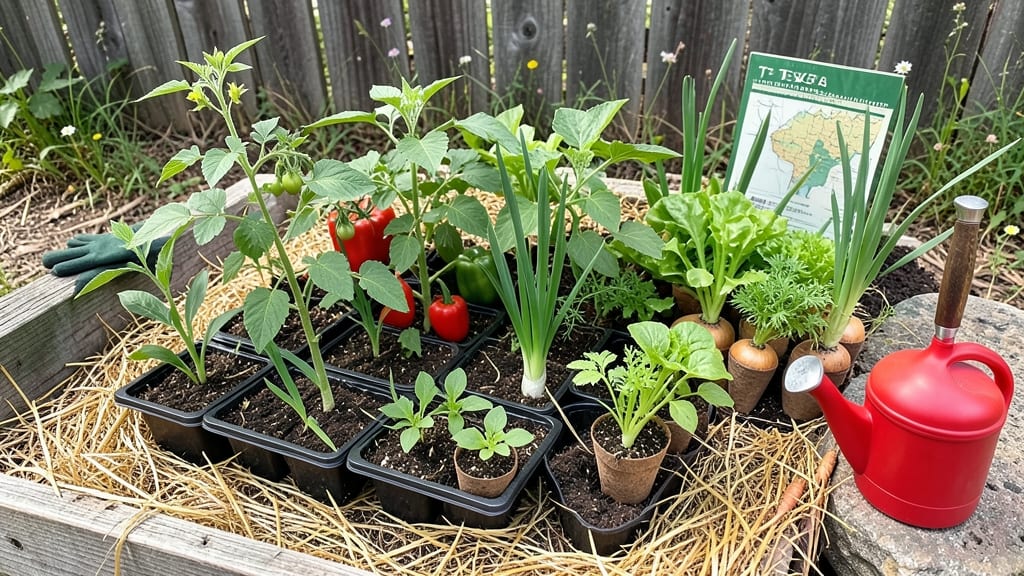
Planting vegetables in Texas isn’t just about timing—it’s about outsmarting the heat and unpredictable frost dates that can turn a thriving garden into a total flop.
With 210-300 frost-free days in zones 8a-10a, you’ve got a long growing season, but getting the start times right is the key to avoiding wilting greens or stunted tomatoes before they even reach their prime.
I’ve learned the hard way that cool-season crops like lettuce and peas need to hit the soil 4-6 weeks before your last frost—usually between late February and early March—while warm-season favorites like peppers and okra should wait until 2-3 weeks after frost has passed.
Skipping this step means risking bolted greens or heat-shocked seedlings that never recover.
What if you’re in North Texas versus South Texas? The rules change—even by just a few weeks. I’ll break down the exact planting windows for your region, plus pro tips to extend your harvests through Texas’s brutal summers.
No more guessing: just a clear, heat-zone-specific calendar to grow more, faster, and with zero frost-related surprises.
Ready to turn your Texas garden into a year-round powerhouse? Let’s dive into the best months to plant, the crops that thrive in your microclimate, and how to keep your vegetables producing even when the thermometer hits 110°F.
Texas vegetable planting calendar by heat zone: frost-free to extreme heat strategies
Texas spans USDA hardiness zones 8A through 11, creating wildly different planting conditions from the Panhandle’s cooler winters to South Texas’s year-round heat. In zone 8A, you’ll face last frosts around March 15, while zone 11 gardeners enjoy no frost at all—just relentless summer sun.
The key to success? Matching your planting schedule to your specific heat zone while choosing heat-tolerant varieties that thrive when temps hit 90-110°F.
Cool-season crops like lettuce, broccoli, and peas demand early starts, while tomatoes, peppers, and okra need warm soil to germinate. My strategy? Plant cool-season crops 4-6 weeks before last frost and warm-season crops 2-3 weeks after.
But in zones 10-11, where frost is rare, I focus on succession planting to stretch harvests year-round. Let’s break down the perfect timing for your zone.
📅 Last Frost Dates by Zone: Zone 8A: March 15 (Panhandle) Zone 9A: February 28 (North Texas) Zone 10A: January 1 (Central Texas) Zone 11: None (South Texas)
| Heat Zone | Last Frost Date | Cool-Season Planting | Warm-Season Planting | Heat-Tolerant Varieties |
|---|---|---|---|---|
| 8A (Panhandle) | March 15 | Feb 1 - Mar 15 | Apr 1 - May 15 | 'Celebrity' Tomatoes, 'Black Krim' Eggplants |
| 9A (North/Central TX) | Feb 28 | Jan 15 - Feb 28 | Mar 1 - Apr 15 | 'Solar Fire' Peppers, 'Arkansas Traveler' Tomatoes |
| 10A (South/Central TX) | Jan 1 | Oct 15 - Jan 15 | Feb 1 - Mar 31 | 'Cherokee Purple' Tomatoes, 'Jalapeño M' Peppers |
| 11 (Rio Grande Valley) | None | Sep 15 - Nov 15 | Year-round (succession) | 'Heatmaster' Okra, 'Solar Set' Tomatoes |
In zone 8A, I start cool-season crops indoors in January to transplant after the last frost. For warm-season crops, I wait until soil temps hit 65°F+—usually mid-April. My go-to varieties? 'Celebrity' tomatoes and 'Black Krim' eggplants, both bred to handle 90°F+ heat without wilting.
In zone 11, where frost is nonexistent, I plant succession crops every 2 weeks to avoid bolting in the extreme heat.
Pro tip: Use shade cloth (30-50%) for summer crops in zones 9-11 to prevent heat stress. I’ve seen tomato yields drop by 50% when temps exceed 100°F without protection. Pair this with drip irrigation to keep roots cool and soil moist.
For cool-season crops, focus on leafy greens like kale and spinach, which tolerate light frosts and thrive in spring and fall.
Don’t overlook fall planting—it’s my secret to beating the heat! In zones 8-10, I sow cool-season crops in August for harvests before winter. Use row covers to protect young plants from unpredictable late-summer heatwaves.
My top fall crops? Broccoli, cabbage, and carrots, all of which handle cooler nights better than summer temps.
For container gardening in urban Texas, stick to compact varieties like 'Patio' tomatoes and 'Bush' beans. Containers heat up faster than soil, so I water twice daily in summer and use light-colored pots to reflect sunlight. In <
Best vegetables to plant in Texas by season: cool vs. warm season crops explained
Texas’s long growing season and intense heat demand smart crop selection. Cool-season veggies thrive in spring and fall, while warm-season plants dominate summer. North Texas (Zone 8A) has earlier frost dates than South Texas (Zone 10A), so timing matters.
Let’s break down the top performers and their ideal planting windows to avoid bolting or wilting in the heat.
For cool-season crops, focus on leafy greens and root vegetables like lettuce, spinach, and carrots. These love 50-70°F temperatures and can handle light frosts. In contrast, warm-season crops like tomatoes, peppers, and okra crave 75-90°F and struggle when temps drop below 50°F.
South Texas gardeners can extend warm-season planting into late summer, while North Texas must act faster before the first frost.
- 1 Cool-Season Starts: Plant broccoli, cabbage, and peas in February-March (North TX) or January-February (South TX) for spring harvests.
- 2 Warm-Season Kickoff: Transplant tomatoes and peppers 2-3 weeks after last frost (typically March-April in North TX, February-March in South TX).
- 3 Fall Cool-Season Reset: Sow kale, Brussels sprouts, and radishes in August-September for fall harvests before frost hits (usually November-December).
- 4 Drought-Resistant Picks: Opt for okra, sweet potatoes, and black-eyed peas—they thrive in 90°F+ heat with minimal water once established.
- 5 Avoid Bolting: Use shade cloth for spring greens if temps rise above 80°F, and harvest leafy crops before they bolt in summer.
In North Texas, where frosts are more common, prioritize early spring planting for cool-season crops. My go-to varieties include ‘Sugar Snap’ peas and ‘Blue Lake’ bush beans, which handle cooler temps better than Southern varieties.
For South Texas, lean into heat-tolerant tomatoes like ‘Celebrity’ or ‘Solar Fire’ peppers, which won’t wilt in 100°F+ afternoons.
One common mistake? Planting warm-season crops too early. Young tomato plants, for example, will stunt if exposed to below-50°F nights. Wait until soil temps hit 60°F before transplanting. Similarly, cool-season crops planted in late summer will bolt quickly—stick to August-September for fall harvests.
Pro tip: Use mulch to retain moisture and drip irrigation to deliver water directly to roots. This is especially critical in South Texas, where water restrictions and 110°F+ heat can turn gardens into crispy wastelands.
I’ve seen okra and sweet potatoes thrive with just 1 inch of water per week once established—perfect for drought-prone areas.
For urban gardeners with limited space, container gardening works wonders. Try bush beans or ‘Tiny Tim’ tomatoes in 5-gallon pots. Just ensure containers have drainage holes and use lightweight potting mix to prevent root rot in Texas’s intense summer downpours.