Planting
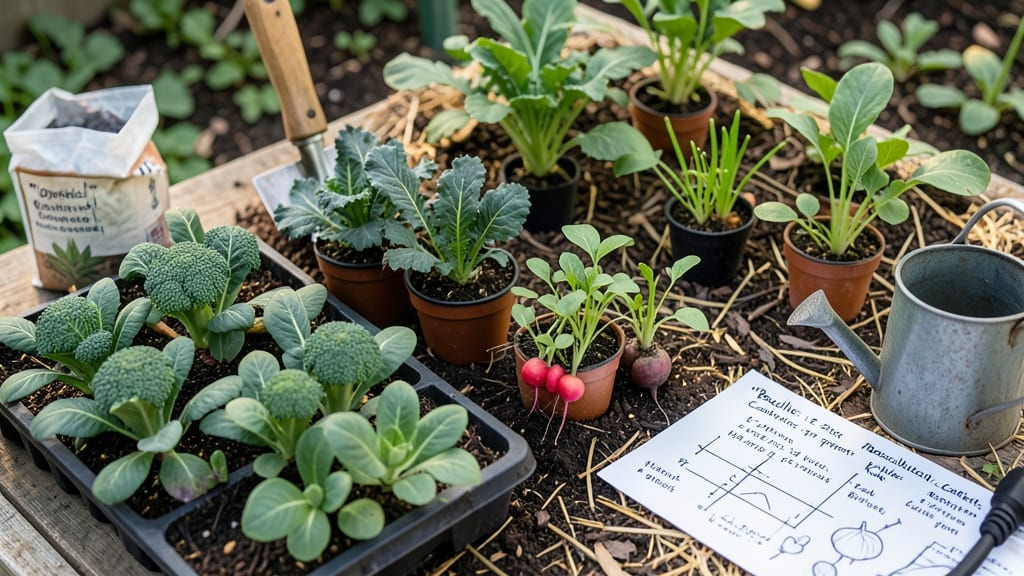
Planting your fall garden in Central Texas at the wrong time can mean the difference between a thriving harvest of 🥬 kale, carrots, and spinach and seeds that bolt in the heat—or worse, rot before they even sprout.
Most gardeners assume "fall" means September, but in Zone 8a, the real window opens in mid-August when soil temperatures dip below 85°F. That’s when you can safely tuck in heat-sensitive crops like broccoli and lettuce without triggering early bolting.
Miss this window, and you’ll be scrambling to replant as September heat lingers.
What I’ve learned after years of trial-and-error planting is that timing isn’t just about dates—it’s about soil prep, frost dates, and even your microclimate.
Urban areas like Austin can stay warmer longer than rural spots, so knowing exactly when to plant (and what to plant) is the game-changer for a zero-frost harvest.
Let’s break down the exact planting schedule, from the first seeds in August to your last harvest before Thanksgiving—and how to avoid the three biggest mistakes Central Texas gardeners make every year.
Central Texas fall planting calendar: exact dates by crop type
Central Texas gardeners face a 6-8 week window between summer’s lingering heat and winter’s first frost—typically mid-August to mid-October. This tight timeline demands precision: plant too early, and your cool-season crops bolt in the heat; too late, and frost cuts harvests short.
The key is aligning each crop’s maturity timeline with Central Texas’ USDA Zone 8a/8b climate, where average first frost hits December 15.
For maximum success, I’ve broken down planting schedules by crop type—cool-season vegetables (like kale and carrots) and warm-season holdovers (tomatoes and peppers)—plus succession planting tips to stretch your harvest. Use this as your roadmap to avoid wasted seeds and maximize flavorful yields before frost.
| Crop Type | Planting Window | Succession Planting | Last Chance Before Frost | Notes |
|---|---|---|---|---|
| Cool-Season Greens (Spinach, Lettuce, Kale) | Late August–Early September | Every 2 weeks until Oct 15 | October 30 (harvest before frost) | Direct sow; avoid bolting with shade cloth |
| Root Crops (Carrots, Beets, Radishes) | Mid-August–Mid-September | Every 3 weeks until Sept 30 | November 1 (harvest before hardening) | Loosen soil; thin seedlings to 2 inches apart |
| Brassicas (Broccoli, Cabbage, Cauliflower) | Early September–Mid-September | Start transplants every 3 weeks | November 10 (mature heads before frost) | Use row covers for extra cold protection |
| Warm-Season Holdovers (Tomatoes, Peppers) | Late July–Early August (transplant) | None (plant once) | October 15 (harvest before temps drop below 50°F) | Use black plastic mulch to retain heat |
| Green Onions, Radishes, Turnips | Late August–Mid-October | Every 10 days until Oct 1 | November 1 (fast-growing crops) | Ideal for late-season succession planting |
Your cool-season greens like spinach and lettuce should hit the soil by late August—this gives them 6-8 weeks to mature before frost. I’ve found that direct sowing these crops avoids the shock of transplanting, which can stress young seedlings in Central Texas’ 90°F+ soil temperatures during August.
For radishes and turnips, which mature in 30-40 days, you can even squeeze in two succession plantings by late September for a harvest through November.
Brassicas like broccoli and cabbage need 70-80 days to reach maturity, so they’re best planted as transplants in early September. I recommend starting with slow-bolt varieties like ‘Waltham 29’ broccoli, which handles Central Texas’ warm nights better than standard types.
For extra insurance, add a lightweight row cover when nighttime temps dip below 50°F—this can extend your harvest by 2-3 weeks.
Don’t overlook warm-season holdovers like tomatoes and peppers. While they won’t thrive indefinitely, planting heat-tolerant varieties (e.g., ‘Celebrity’ tomato or ‘Jalapeño M’) in late July gives them time to produce before frost.
Use black plastic mulch to keep soil temps above 60°F and protect against early morning chills. Harvest these crops aggressively by mid-October to prevent fruit from turning mealy.
Pro tip: Monitor your soil temperature with a so
How to avoid common fall planting mistakes in Central Texas
Fall gardening in Central Texas is a delicate balance—too early, and your seedlings will bolt from heat stress; too late, and frost will ruin tender crops. The key is timing plants when soil temperatures drop below 85°F but before hard frosts arrive.
Many gardeners rush into planting in early August, only to watch their basil and beans struggle under lingering summer heat.
Another common mistake? Ignoring microclimates in your area. Urban heat islands in cities like Austin can stay 10°F warmer than rural areas, creating false planting windows. Even within your yard, shaded spots may stay cooler longer, allowing you to plant broccoli or kale a week earlier than sunbaked beds.
⚠️ callout-warning ⚠️
Central Texas’ August heat (often 95°F+) can stress seedlings even if nights are mild. Leafy greens like lettuce will bolt to seed in 5-7 days if planted before late August. Use a soil thermometer—ideal temps for fall crops are 60-75°F.
✅ Fix: Wait until early September for most cool-season crops. Start slow-growing plants (like carrots or cabbage) in mid-August if using shade cloth.
Soil temperature is your secret weapon for fall success. A soil thermometer ($10 at garden centers) reveals when your beds are ready. Root crops like beets and turnips need 55-65°F soil, while broccoli and kale thrive at 60-70°F.
Test in the morning—afternoon sun can skew readings by 10°F.
Don’t overlook irrigation adjustments for fall’s erratic rains. Central Texas gets 30% less rain in October than September, yet unpredictable downpours can drown seedlings. Use drip irrigation on a timer (e.g., early morning for 20 minutes) to avoid waterlogged soil.
Mulch with straw or shredded leaves to retain moisture and insulate roots.
Create a pre-planting checklist to avoid last-minute stress: ☑️ Test soil pH (6.0-7.0)—amend with lime or sulfur if needed ☑️ Add compost or aged manure (2-3 inches) for nutrients ☑️ Adjust irrigation schedules for fall’s drying winds ☑️ Choose frost-tolerant varieties (e.g., ‘Winterbor’ kale, ‘Purple Top’ turnips) ☑️ Mark expected frost dates (Dec 15 in most of Central Texas) on your calendar
Remember, succession planting is your best friend in fall. Instead of planting all your lettuce or radishes at once, stagger seeds every 2 weeks until mid-October.
This ensures a continuous harvest and reduces waste. And if a light frost hits? Most leafy greens taste sweeter afterward—just avoid hard frosts (-2°F).