
Plants
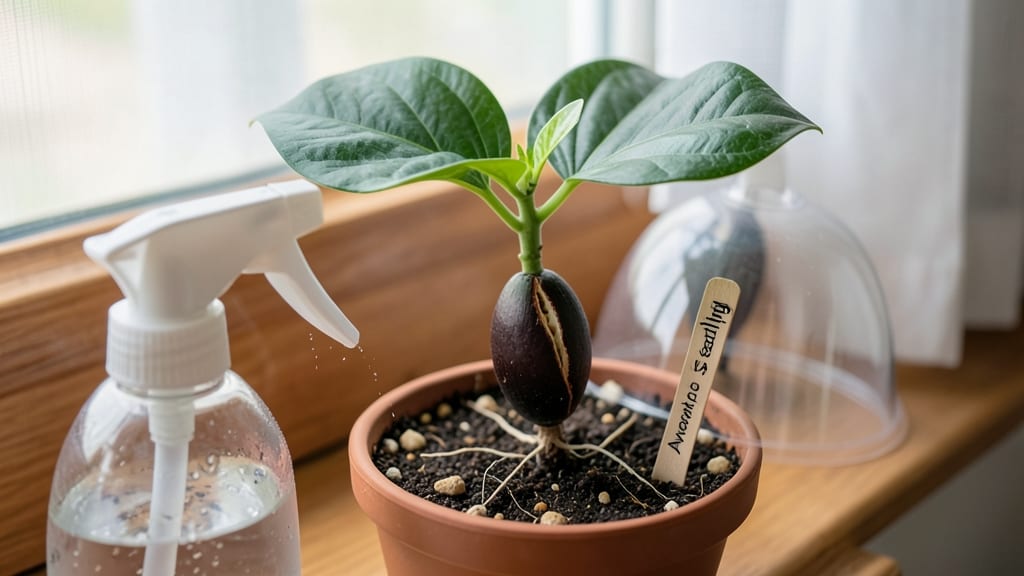
Planting an avocado seed in soil at the wrong time can mean waiting months—or even years—before seeing any growth. The chill method is your secret weapon for faster sprouting, but timing it right is everything.
Whether you're in a warm climate or a cooler zone like 6a, knowing when to transfer that seed from water to soil makes all the difference.
Most gardeners rush this step, but patience pays off. After 3-6 weeks of chilling (where roots form in water), your seed is ready for soil—just as spring rolls in.
This is when 🥑 avocado seeds thrive best, whether you're planting indoors near a sunny window or outdoors after the last frost. The key? Warm soil and consistent moisture to encourage those delicate roots to take hold.
If you've been soaking your seed for weeks, wondering why nothing's happening, you're not alone. The truth is, soil temperature and daylight play bigger roles than you might think.
I’ll walk you through the exact conditions your seed needs to sprout fast—and avoid the common mistakes that stall growth. Let’s get your avocado on the right track.
From tropical climates to temperate zones, regional tweaks matter. Whether you're in Florida or Zone 6a, this guide ensures your seed doesn’t just survive—it sprouts with confidence. Ready to turn that pit into a tree? Let’s dive into the science-backed steps that work.
Optimal timing for planting avocado seeds after chill method
The chill method for avocado seeds mimics winter dormancy, breaking dormancy and preparing your seed for planting. After 3-6 weeks of chilling, you’ll know it’s time to plant when the seed develops white roots about 1-2 inches long.
This is your green light to transition from water to soil—timing here makes all the difference in avoiding rot or stunted growth.
Your soil temperature must stay between 70-85°F for successful germination. If planting indoors, place your container near a south-facing window or under grow lights. Outdoor gardeners in USDA Zone 6a+ should wait until after the last frost date (typically mid-April) to avoid cold shock to tender roots.
Here’s the critical readiness checklist before planting: roots should be 1-2 inches long, the seed should feel plump but not mushy, and you should see tiny green sprouts emerging. Ignore these signs, and you risk damping-off disease or slow, weak growth.
Once your avocado seed passes the 2-inch root milestone, it’s time to plant. Use a well-draining potting mix (like cactus/succulent blend) and a 6-inch deep container to accommodate root growth. Plant the seed horizontally, with the root side facing down and the seed half-buried.
Monitor your humidity levels closely after planting—60-70% is ideal for the first 2 weeks. Use a humidity dome or mist lightly daily if your home air feels dry. Too little moisture causes wilting, while excess moisture leads to root rot, a common killer of young avocado seedlings.
After transplanting, place your container in bright, indirect light for the first week to reduce stress. Gradually introduce direct sunlight (6+ hours daily) over 2 weeks. Watch for yellowing leaves, which signal either overwatering or nutrient deficiency—both fixable with adjustments to your care routine.
Outdoor gardeners in warmer climates (Zones 9-11) can plant directly in the ground after the last frost, but protect young seedlings with frost cloth if nighttime temps dip below 50°F. In colder regions, stick to container growing until your tree outgrows its indoor space.
Patience is key—your avocado seed may take 2-12 weeks to sprout after planting. During this time, keep the soil consistently moist (not soggy) and avoid moving the container. Once sprouts appear, increase sunlight gradually to full sun exposure for robust growth.
Pro tip: Label your container with the planting date and track root growth weekly. A healthy avocado seedling will show new leaves every 2-3 weeks once established. Celebrate these milestones—they’re proof your timing and care are working!
Step-by-step chill method process for avocado seeds (with pro tips)
The chill method mimics avocado seeds' natural dormancy period, breaking their hard outer shell while jumpstarting root growth. Start by cleaning your avocado seed thoroughly and removing any remaining fruit flesh to prevent mold. This step is critical—residual pulp can rot the seed before it even sprouts.
Next, insert 4-5 toothpicks evenly around the seed’s middle, leaving the pointy end facing up. This creates a stable angle for your container. Place the seed in a glass of water with the flat side down, ensuring only the bottom third is submerged.
Change the water every 2-3 days to prevent bacterial growth.
Here’s where most beginners make mistakes—patience is key. The chilling phase lasts 2-4 weeks in the fridge (not freezer!). Store the glass in a dark, cool spot (around 40-50°F) and check weekly for root development.
Roots should appear within 2-3 weeks, but don’t rush—over-soaking can drown the seed.
⚠️ callout warning
Many gardeners plant avocado seeds in soil before roots reach 2-3 inches. This leads to root rot or stunted growth. Wait until roots are thick and healthy—usually 3-6 weeks total—before transplanting. Use a clear glass to monitor progress without disturbing the seed.
🌱 Pro Tip: Gently press the seed into well-draining soil at a 45-degree angle, covering only the top half.
When roots are ready, prepare a well-draining potting mix (equal parts peat moss, perlite, and coco coir). Plant the seed horizontally, burying half of it and leaving the pointy end exposed.
This mimics natural growth patterns and encourages stronger root systems. Use a small pot (6-8 inches wide) with drainage holes to prevent waterlogging.
After planting, place the pot in a bright, indirect light spot (avoid direct sun initially). Keep the soil moist but not soggy—water only when the top 1 inch feels dry.
Mist the leaves lightly to maintain humidity, but avoid overwatering, which causes fungal infections. Within 2-4 weeks, you should see the first sprout emerging from the top.
Once your avocado seedling reaches 6-12 inches tall, it’s time to transplant into a larger container (10-12 inches). Use a balanced fertilizer (6-6-6 NPK) sparingly—over-fertilizing can burn young roots.
Remember, avocado trees thrive outdoors in USDA zones 9-11, but indoor varieties can live happily near south-facing windows with proper care.