
Companion Plants
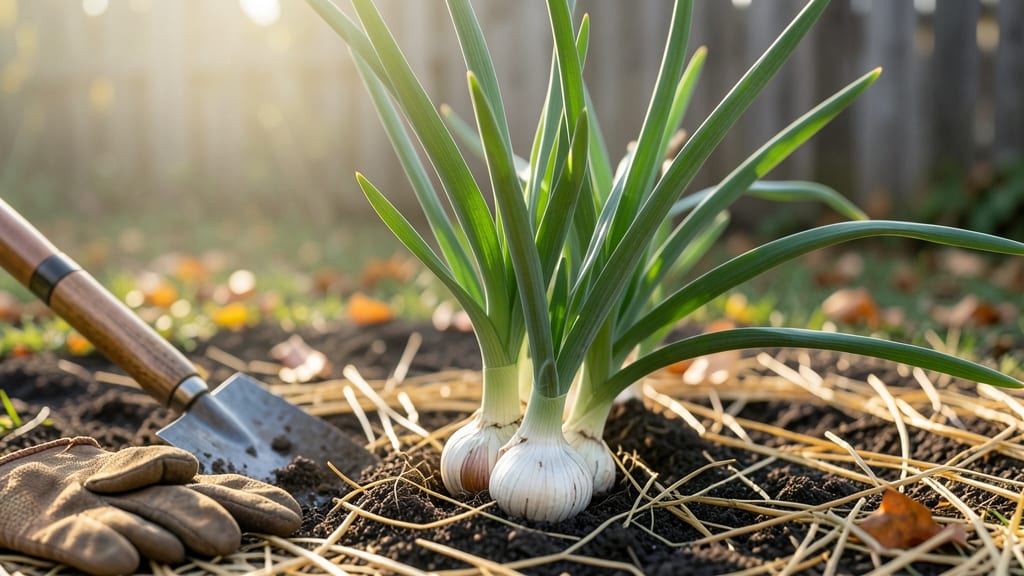
Planting garlic in Michigan at the wrong time can mean the difference between a bountiful harvest of plump bulbs and a disappointing flop. The key? Getting those cloves into the ground between mid-October and early November—when hardneck varieties like 🧄 Rocambole need that cold snap to trigger dormancy.
Many gardeners assume spring planting works just as well, but Michigan’s 5b-6b climate demands that fall prep. Without that chill period, your garlic might bolt early or produce weak bulbs. I’ve learned the hard way that timing isn’t just about the calendar—it’s about soil temps and frost dates, too.
In this guide, I’ll walk you through the exact window for success, how to prep your soil for Michigan’s unpredictable winters, and why hardneck garlic thrives here better than softneck types.
Whether you’re a first-timer or a seasoned grower, these tips will help you avoid common mistakes and grow garlic that rivals store-bought—only better.
Ready to plant? Let’s dive into the perfect schedule for Michigan gardeners, so you can harvest flavorful bulbs next summer without the guesswork.
Michigan garlic planting timeline: hardneck varieties by month
Michigan’s hardneck garlic thrives when planted during its critical cold snap window—typically between October 1 and October 15. This timing ensures cloves experience 4–8 weeks of sub-40°F soil temperatures, a requirement for hardneck varieties to form proper bulbs.
Missing this window risks weak growth or no harvest at all, especially in Michigan’s USDA Zones 5b–6b.
The Upper Peninsula (Zone 5b) has an earlier frost date (October 10–15), while the Lower Peninsula (Zone 6a–6b) can extend planting until mid-October.
Soil temperatures below 50°F for 6+ weeks trigger dormancy, but planting too early (before soil temps drop below 60°F) can cause cloves to sprout prematurely and rot in wet conditions.
Here’s your month-by-month planting guide for hardneck garlic in Michigan, including soil prep and frost considerations:
| Month | Planting Window | Soil Temp Requirement | Action Items |
|---|---|---|---|
| October 1–15 | ✅ Optimal (Upper/Lower Peninsula) | 40–50°F (sub-60°F for 4+ weeks) | Plant cloves 4–6" deep, 6" apart; mulch with straw (4" thick). |
| October 16–31 | ⚠️ Risky (Lower Peninsula only) | Soil >50°F (may not chill enough) | Plant early in month; use black plastic mulch to warm soil faster. |
| November 1–15 | ❌ Too Late (unless soil freezes) | Soil <40°F (dormancy starts) | Skip unless ground is workable; cover with thick mulch. |
| March 1–15 | ✅ Spring Backup | 40–50°F (soil thawed) | Plant cloves; expect smaller bulbs (no cold snap). |
| March 16–April 15 | ❌ Avoid | Soil >50°F (bolting risk) | Wait until next fall; use scallions instead. |
If you miss the October 1–15 window, don’t panic—Michigan’s Upper Peninsula can sometimes squeeze in planting until October 20, but bulbs will be smaller. For the Lower Peninsula, late October plantings may not get enough chill hours, leading to bolting (flowering) instead of bulb formation.
To compensate, use black plastic mulch to warm soil faster or opt for softneck varieties, which tolerate milder winters.
For spring planting (March), bulbs won’t be as large since they miss the cold snap, but it’s better than nothing. Focus on early-maturing varieties like ‘German White’ or ‘Silverskin’ if you’re planting late. Always chill cloves for 6 weeks at 35–40°F before spring planting to mimic winter dormancy.
Pro tip: Test your soil temperature with a soil thermometer (available at garden centers). Aim for 40–50°F for 4+ weeks post-planting. If your soil stays above 50°F for too long, cover beds with straw mulch (6+ inches) to slow warming.
This trick works especially well in southern Michigan, where winters are milder.
What happens if you plant too early? Cloves may sprout before dormancy, leading to rot in wet soil or weak, shallow roots. If this happens, replant in a drier spot or cover with mulch to protect sprouts.
For late plantings, bulbs may bolt (send up flower stalks) instead of storing energy in the bulb. In this case, harvest the scapes (flower stalks) early—they’re delicious in stir-fries!
Remember: Hardneck garlic needs cold. Without it, you’ll end up with small, weak bulbs—or none at all. Plan ahead, check your frost dates, and mark your calendar for October 1–15. Your future harvest (and your taste buds) will thank you!
Signs your Michigan garlic planting is too early or late (and how to fix it)
Planting garlic outside Michigan’s ideal October 1–15 window often leads to weak bulbs or even no harvest. If your hardneck garlic sprouts before dormancy, it’s a red flag—those tender shoots won’t survive winter’s freeze-thaw cycles.
Similarly, planting too late (after November 1) risks shallow root growth, making bulbs vulnerable to winter heaving or spring diseases.
Even if you miss the perfect window, don’t panic. Michigan’s climate offers some flexibility for early or late adjustments. For example, if you plant too early in September, you can mulch heavily with straw to delay sprouting until after the first frost.
Conversely, late plantings in December may still succeed if the soil stays unfrozen—just cover with extra mulch to insulate the cloves.
Watch for bolting (premature flowering) in spring, a classic sign of stress from improper timing. Bolting diverts energy from bulb development, resulting in small, pungent cloves. This often happens when garlic gets too warm too soon—either from planting too early (allowing early growth) or from insufficient winter chill.
Another clue? Weak, sparse foliage in spring suggests poor root establishment. If your garlic struggles to push through the soil or grows in clumps, it likely didn’t get enough cold exposure. Hardneck varieties need 40–60 days below 40°F to form properly—something early or late plantings often miss.
⚠️ Emergency Fixes for Off-Schedule Planting
Too Early? Chill unplanted cloves in the fridge (35–40°F) for 4–6 weeks to mimic winter. Too Late? Plant in containers filled with moist potting mix and keep them in a cold garage until spring. For late-November plantings, use black plastic mulch to trap heat and prevent freezing.
For late starts, consider softneck varieties like Silverskin, which tolerate warmer soils better than hardnecks. They won’t produce scapes (the prized hardneck feature), but they’ll still yield edible bulbs.
Alternatively, adjust your planting depth: bury cloves deeper (6 inches) in late plantings to protect them from temperature swings.
If you’re unsure about your timing, track your soil temperature with a probe. Garlic thrives when soil temps hover around 40–50°F at planting. Use this as your guide—if it’s warmer, wait; if it’s colder, add mulch or plant in containers.
Michigan’s variable climate means flexibility is key, but paying attention to these early warning signs can save your harvest.