
Companion Plants
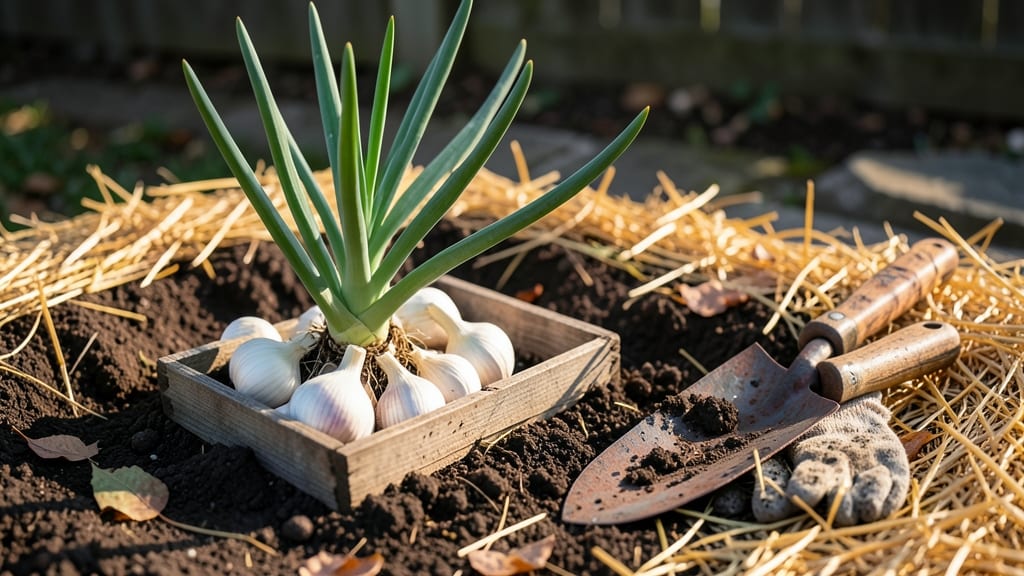
Planting garlic in Zone 7 at the wrong time could mean the difference between a bumper crop of 🧄 and a disappointing harvest. The key to growing plump, flavorful bulbs lies in understanding exactly when to plant—typically 4-6 weeks before the ground freezes—to trigger that critical frost-induced bulb formation.
Many gardeners assume garlic can be planted anytime in fall, but timing matters more than you might think. In Zone 7, where first frost hits around November 1, your planting window narrows to just a few weeks in October or early November.
Get it wrong, and you risk either bolting (premature flowering) or stunted growth from planting too late.
Don’t overlook early spring planting either—February through March works too, though it produces smaller bulbs. I’ll break down the exact months that work best in Zone 7, plus how to adjust for your specific microclimate. Whether you’re growing hardneck or softneck varieties, these insights will help you maximize your harvest.
Ready to grow garlic that rivals store-bought? Let’s dive into the science behind perfect timing, soil prep, and how to avoid common mistakes that sabotage bulb development. Your future meals will thank you!
Zone 7 garlic planting calendar: exact months for bulb development
Garlic thrives in Zone 7 when planted at the right time—typically 4-6 weeks before the first frost, which usually lands in October or early November. This timing allows bulbs to develop through winter's chill, a critical step for flavor and size.
The science? Garlic needs cold temperatures (32-40°F) to trigger bulb formation, but too much frost can damage emerging shoots in spring.
For hardneck varieties (like Rocky Mountain or Music), aim for late October. These types produce scape shoots and need winter dormancy. Softneck varieties (like Silverskin) tolerate slightly later planting—try early November—but may yield smaller bulbs if planted too late.
Both types benefit from well-draining soil and 6+ hours of sunlight daily.
Here’s your Zone 7 garlic planting calendar, broken down by month and variety:
Pro tip: Use a soil thermometer to confirm temperatures are below 60°F before planting. In Zone 7, this usually aligns with mid-October.
For hardnecks, prioritize late October to ensure scapes form in spring—a sign of a healthy bulb. Softnecks, like Artichoke, are more forgiving but still benefit from early planting.
Why does frost matter? Garlic bulbs form in response to vernalization, a process triggered by cold temperatures (32-40°F for 6-8 weeks). Without this chill, bulbs stay small and weak.
However, too much frost can kill emerging shoots in spring. Balance is key: plant early enough for cold exposure, but not so late that frost stunts growth.
For Zone 7 gardeners, I recommend marking your calendar for October 15-30 as the sweet spot. If you miss this window
How to adjust planting time for early vs. late varieties in Zone 7
Not all garlic varieties thrive on the same schedule in Zone 7. Understanding the differences between rocambole, porcelain, and artichoke garlic helps you fine-tune planting times for maximum yield.
Each type has unique growth cycles, so adjusting your calendar ensures you don’t miss the frost window that triggers bulb formation.
For rocambole garlic, the most cold-hardy type, aim to plant in late October.
This variety benefits from a long winter chill period, which enhances flavor and bulb size. Porcelain garlic, on the other hand, prefers a slightly earlier start—mid-October—to avoid bolting (flowering prematurely) in warmer Zone 7 winters.
Artichoke garlic (a type of softneck) is more flexible but still needs timing adjustments. Plant it in early November for a second crop or overwinter it for harvest the following summer. The key is ensuring bulbs experience 40-60 days of sub-40°F soil temps to form properly.
| Variety | Ideal Planting Window (Zone 7) | Cold Requirement | Adjustment for Second Crop |
|---|---|---|---|
| Rocambole | Late October (4-6 weeks before frost) | 60+ days below 40°F | Plant in February for summer harvest |
| Porcelain | Mid-October (avoid late planting) | 40-50 days below 40°F | Overwinter for next year’s harvest |
| Artichoke | Early November (flexible timing) | 30-40 days below 40°F | Plant in January for late-summer bulbs |
For second-crop garlic, shift your focus to early spring planting (February-March). This works best for rocambole and artichoke varieties, which can tolerate warmer soil temps. Plant cloves 2 inches deep in well-draining soil and keep them moist until sprouts appear. Expect smaller bulbs but a later harvest window.
Overwintered plantings are another strategy for Zone 7 gardeners. If you miss the fall window, plant in December (just before soil freezes) for a summer harvest.
Use mulch heavily (6+ inches of straw) to protect cloves from freeze-thaw cycles. This method works best with porcelain garlic, which stores well and regrows reliably.
Monitor soil temperatures with a soil thermometer—aim for 50-60°F at planting depth. If temps drop below 40°F too soon, delay planting until conditions stabilize. Adjusting for your specific garlic type ensures you avoid bolting or stunted growth, giving you the best chance for a bountiful harvest.