
Companion Plants
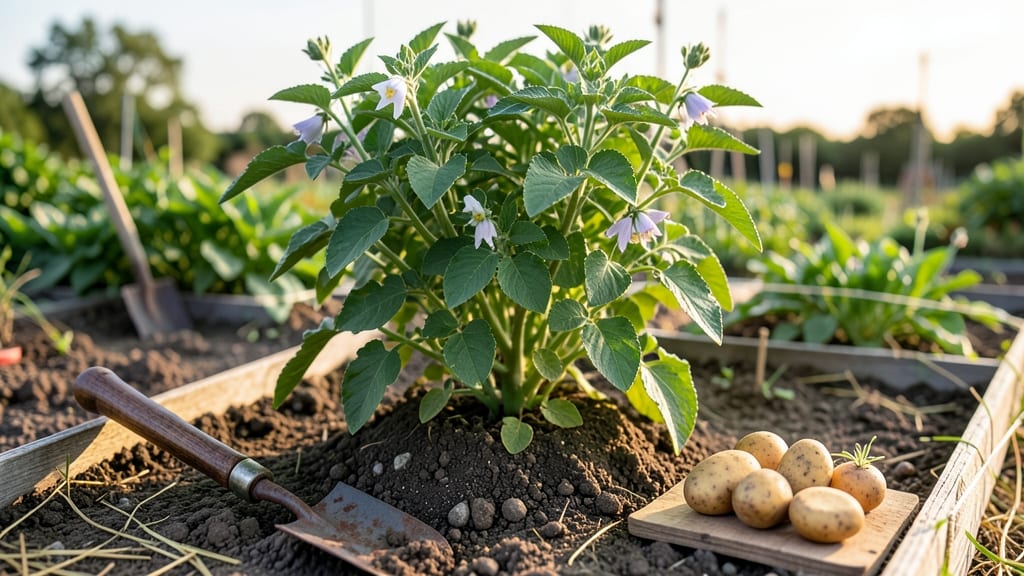
Planting potatoes in Zone 8 at the wrong time means risking stunted growth, frost damage, or even a total crop failure—so timing is everything. With 220 frost-free days and mild winters, Zone 8 offers two prime windows to grow crisp, flavorful 🥔 potatoes: early spring or fall.
Most gardeners focus only on spring planting, but fall is a hidden gem for Zone 8 growers. While spring potatoes thrive when planted 2-4 weeks before your last frost date (typically February-March), fall plantings in September-October can yield a second harvest before winter sets in.
But here’s the catch: not all potato varieties handle Zone 8’s heat or cold the same way. Early varieties like Yukon Golds need cooler soil, while late-season types like Purple Vikings demand warmth.
I’ll break down the exact planting schedule, soil prep secrets, and how to adjust for coastal vs. inland microclimates.
Ready to grow a bumper crop? Let’s dive into the step-by-step timing guide that’ll have you harvesting potatoes all season long—without the guesswork.
Zone 8 potato planting calendar: exact weeks before last frost
Zone 8 gardeners enjoy 300+ frost-free days, but that long growing season means precise potato planting timing is critical. Plant too early, and frost damage stunts your crop; too late, and heat stress causes bolting.
The key? Match your potato variety to soil temperatures and regional microclimates—coastal areas stay cooler longer than inland zones.
For Zone 8’s average last frost date (February 15), early varieties like 'Yukon Gold' thrive when planted 4–6 weeks before, while late varieties such as 'Purple Viking' need June–July succession plantings.
Soil temperature is your true guide: wait until it hits 45°F+ for early plantings or 55°F+ for heat-loving late varieties.
| Potato Variety Type | Recommended Planting Window (Zone 8) | Days to Harvest | Soil Temp Requirement (°F) | Key Risk to Avoid |
|---|---|---|---|---|
| Early (e.g., 'Yukon Gold') | 2–4 weeks before last frost (Feb 15–Mar 15) | 90–110 | 45–50 | Frost damage to sprouts |
| Midseason (e.g., 'Russet') | 2–4 weeks after last frost (Apr 1–May 1) | 110–130 | 50–55 | Bolting from heat stress |
| Late (e.g., 'Purple Viking') | June 1–July 15 (succession planting) | 130–150 | 55+ | Harvest before summer dieback |
Inland Zone 8 areas (e.g., San Antonio, Phoenix) warm 2–3 weeks faster than coastal regions like San Diego or Charleston. Adjust your planting by shifting dates 10–14 days earlier inland, where soil temperatures hit 45°F by mid-February.
Coastal gardeners should wait until late February–early March to avoid chilly ocean breezes delaying sprouting.
Pro tip: Use a soil thermometer to confirm readiness—45°F+ is non-negotiable for early varieties. If your soil is still cold, mulch heavily with straw to insulate tubers and prevent frost heave. For late plantings, prioritize shade cloth during 100°F+ heatwaves to protect emerging sprouts.
Zone 8’s long season also allows for fall planting (September–October) if you choose cold-hardy varieties like 'Adirondack Blue'. These can tolerate brief frosts and harvest before winter sets in. Just remember: fall-planted potatoes need well-draining soil to avoid rot during wet winters.
Regional adjustments matter: Desert Zone 8 (e.g., Las Vegas) may need drip irrigation to prevent soil crusting, while humid coastal areas (e.g., Savannah) benefit from raised beds to improve drainage. Always test your soil’s pH—potatoes thrive in 5.0–6.5, and amend with sulfur if needed.
For succession planting, space your varieties 3 weeks apart. Start with early types in February, follow with midseason in April, and finish with late varieties in June.
This ensures a continuous harvest from April through October. Just harvest early varieties first to free up space for later plantings.
Don’t overlook row covers for early/late plantings. A lightweight frost blanket can extend your planting window by 2–3 weeks in spring or protect fall crops from unexpected 32°F dips. Remove covers during the day to prevent heat buildup, which can cause bolting.
Finally, chit your seed potatoes 4–6 weeks before planting to jumpstart growth. Place them in a bright, cool spot (50–60°F) until sprouts are ½-inch long. Chitted potatoes emerge faster and reduce time to harvest—critical in Zone 8’s short spring window.
With this
How to time your planting for maximum yield in Zone 8’s heat
Zone 8’s long growing season and warm soil make it ideal for potatoes—but only if you plant at the right time. Unlike cooler zones, Zone 8’s heat can cause potatoes to bolt or rot if planted too early or too late.
The key is balancing soil warmth, moisture retention, and frost-free windows. I’ve learned from years of trials that even a week’s miscalculation can mean the difference between a bumper crop and a total flop.
Here’s the secret: Plant when soil hits 45°F+, not just when air temps rise. Coastal areas stay cooler longer, while inland zones warm faster—adjust your schedule accordingly.
And don’t forget succession planting to stretch your harvest through summer’s peak heat. Let’s break down the exact steps to nail your timing.
Test Soil Warmth First
Plant only when soil reaches 45°F+ (use a soil thermometer). Cold soil = rot. Zone 8’s inland areas warm faster than coastal regions—plant 2–3 weeks earlier inland.
Stagger Plantings for Continuous Harvest
Plant early, mid, and late varieties 3 weeks apart to extend harvest season. Example: Start Yukon Golds March 1, Russets April 1, Purple Vikings June 15.
Mulch Like a Pro to Retain Moisture
Use straw or grass clippings (not wood chips) to prevent soil crusting in Zone 8’s intense sun. Replenish mulch every 4–6 weeks.
Once your soil is warm enough, water deeply before planting to settle the soil and encourage root growth. Zone 8’s dry spells can stress young potatoes, so I recommend installing a drip irrigation system on a timer.
This ensures consistent moisture without overwatering, which can lead to rot. Aim for 1–1.5 inches of water per week, adjusting for rainfall.
For early spring plantings, use floating row covers to protect tender sprouts from unexpected late frosts. These lightweight fabrics trap heat while allowing sunlight to penetrate. Remove covers once plants reach 6 inches tall to prevent overheating.
In late summer plantings, shade cloth (30–50%) can help young potatoes avoid bolting from the intense Zone 8 sun.
Pro tip: Harvest early varieties first to make room for succession plantings. Pull up Yukon Golds around April–May when tops yellow, then replant with Russets or Kennebecs.
This keeps your garden productive all season long. Store freshly harvested potatoes in a cool, dark place (50–60°F) with good airflow to prevent spoilage.
Timing isn’t just about the calendar—it’s about reading your local microclimate. Pay attention to how your garden behaves year after year, and adjust your schedule accordingly. With these strategies, you’ll turn Zone 8’s heat into an advantage, not a challenge. Happy planting! 🌱