
Companion Plants
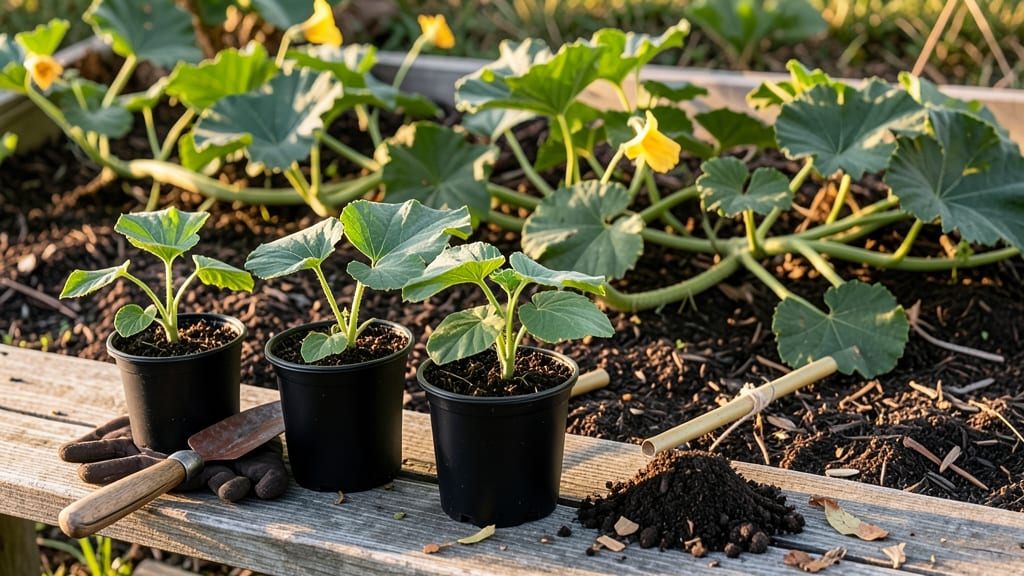
Timing your pumpkin planting in Ohio can make or break your harvest—get it wrong, and you might end up with wilted vines or frost-bitten fruit before you even carve that first 🎃.
The key to success lies in understanding your local frost dates and soil temperatures, which can shift dramatically from northern to southern parts of the state.
Most Ohio gardeners should aim to plant pumpkin seeds between mid-April and early June, after the last frost has passed and soil temperatures hit at least 60°F.
But with Ohio’s USDA Zone 6a climate, even a week’s delay can mean the difference between a thriving patch and a failed crop. I’ll break down exactly when to plant, whether you’re direct sowing or transplanting, and how to extend your growing season if Mother Nature throws you a curveball.
You don’t need a green thumb to grow pumpkins—just the right timing. I’ll share proven strategies to ensure your seeds germinate quickly, your vines spread strong, and your pumpkins mature before the first frost hits in late September.
Let’s get those seeds in the ground at the perfect moment for Ohio’s short but sweet growing season.
Ready to avoid the common mistakes that leave gardeners scrambling? Stick around—I’ll walk you through everything from soil prep to backup planting dates, so you can enjoy a bountiful harvest of pumpkins that’ll make your neighbors green with envy. No more guessing games!
Ohio pumpkin planting calendar: frost-free deadlines by week (2024 guide)
Ohio’s frost-free dates vary wildly from north to south, making pumpkin planting a high-stakes timing game. In Northern Ohio (Zones 5-6), the last frost typically hits around May 15, while Southern Ohio (Zones 6-7) can safely plant as early as April 15.
Miss these windows, and you risk frost damage or vines struggling in cold soil—neither outcome ends with jack-o’-lanterns.
Pumpkins need 90-120 frost-free days to mature, so planting too late leaves you scrambling for harvest-ready gourds before October’s first frost. This guide breaks down week-by-week planting deadlines for both direct sowing (preferred) and transplanting, plus backup dates if spring drags on.
Pro tip: Use black plastic mulch to warm soil faster in cooler regions.
🌱
For Northern Ohio, aim to plant by May 12—any later and your pumpkins may not mature before October’s first frost. The April 15-21 window is ideal for Southern Ohio, where warmer microclimates near rivers or lakes allow earlier starts.
If your spring is late, opt for fast-maturing varieties like ‘Jack-Be-Little’ (75 days) or ‘Small Sugar’ (80 days) instead of traditional carving pumpkins.
Transplanting pumpkins works but carries shock risks—only do it if you’ve hardened off seedlings for 7-10 days. Direct sowing is always better for Ohio’s climate, as it lets seeds establish roots in warm soil.
Pro move: Use a soil thermometer (under $10) to confirm 70°F+ soil before planting—cold soil delays germination by weeks.
🌿
Ohio’s microclimates create wild variations—even neighborhoods just 10 miles apart can have 2-week differences in frost dates. Check your local USDA Zone (find it via USDA Plant Hardiness Map) and adjust these dates by 1-2 weeks if you’re in a cooler pocket.
For example, Toledo (Zone 6a) might need to wait until May 1, while Chillicothe (Zone 6b) can start April 20.
Don’t forget fall planting! While rare, some gardeners in Southern Ohio (Zones 6-7) try late
Perfect soil temperature for pumpkin seeds in Ohio: what to watch (and when to wait)
Ohio’s clay-heavy soils can be a double-edged sword for pumpkin seeds—holding moisture but also staying cold longer than sandy soils. The magic number isn’t just air temperature, but soil warmth, which often lags behind spring forecasts.
Pumpkin seeds need soil temperatures of at least 60°F to germinate reliably, but 70°F+ is ideal for faster, stronger growth. Without this warmth, seeds rot in the ground or sprout too slowly, leaving them vulnerable to late frosts.
Testing soil temperature is simpler than you’d think—no fancy thermometer required. Stick a meat thermometer (or even a digital garden thermometer) 2–3 inches deep in your planting spot. Check it on a shady afternoon (soil heats up faster in sun, giving false readings).
In Ohio’s USDA Zone 6a, this usually means waiting until late May in northern regions, but mid-April in southern Ohio might work if you’re lucky with warm spells.
⚠️ WARNING: Ohio’s Late Springs Can Trap You! Ohio’s clay soils absorb and retain cold longer than sandy or loamy soils, meaning your soil might still be below 60°F even when air temperatures flirt with 70°F. Planting too early in cold soil leads to:
- Rotting seeds (seeds need warmth to activate enzymes)
- Slow germination (3+ weeks vs. 5–7 days in warm soil)
- Weak seedlings (prone to disease from damp, cold conditions)
Look for these signs your soil is ready: Earthworms are active (they thrive in 50°F+ soil), and the ground feels warm to the touch (like a cozy blanket). If you’re still unsure, try the "paper test": Lay a sheet of newspaper on the soil overnight.
If it’s dry in the morning, your soil’s warming up. If it’s still damp, wait another week.
Ohio’s microclimates add another layer of complexity. Urban areas like Columbus often warm up 1–2 weeks earlier than rural spots due to the "heat island effect". If you’re in northern Ohio (e.g., Toledo, Cleveland), aim for May 15–June 1.
Southern Ohio (e.g., Cincinnati, Dayton) can start as early as mid-April, but verify soil temps—don’t trust the calendar.
Once your soil hits 60°F+, act fast! Pumpkin seeds germinate best within 24–48 hours of planting in warm soil. Use black plastic mulch to speed up warming (it can add 5–10°F to soil temps) or plant in raised beds, which warm up 2–3 weeks earlier than in-ground soil.
If you’re still waiting, consider transplanting seedlings (start indoors 2–3 weeks before your target date), but be gentle—their roots are delicate.
Pro tip: If you’re growing smaller varieties like ‘Jack Be Little’ or ‘Munchkin’, they tolerate slightly cooler soil (55°F) better than giant pumpkins, which need 70°F+ for optimal growth.
But no matter the variety, patience pays off. Rushing leads to disappointment; waiting ensures a bountiful harvest of plump, healthy pumpkins by Halloween. 🎃