
Companion Plants
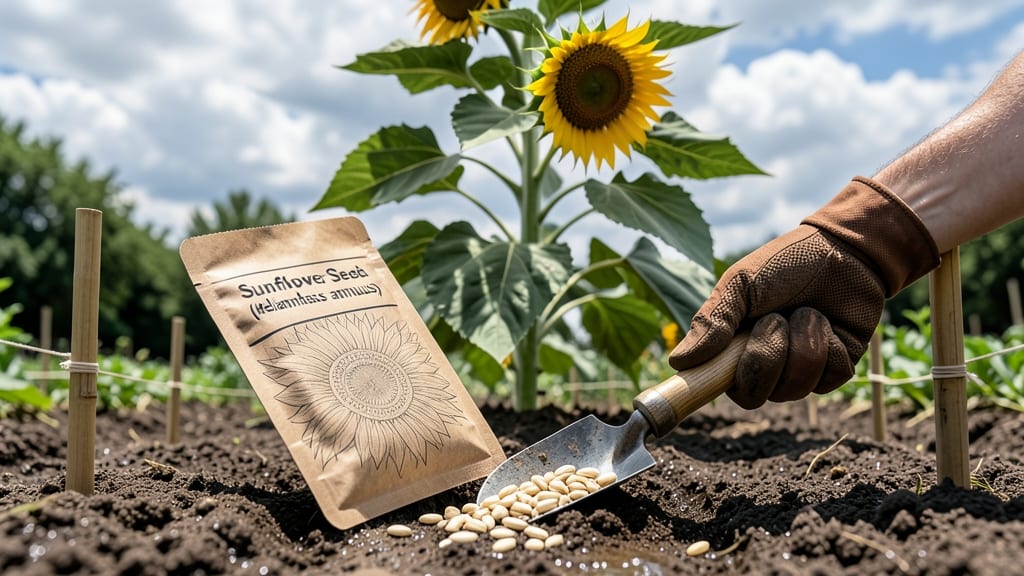
Planting sunflower seeds in Ohio at the wrong time means missing out on those jaw-dropping 10-foot-tall 🌻 stalks that make your garden the talk of the neighborhood. The difference between a scraggly, underwhelming plant and a towering summer showstopper often comes down to timing—and Ohio’s variable climate makes it tricky.
Most gardeners in Zone 6a rush to plant as soon as the snow melts, but that’s a recipe for disappointment.
Sunflowers thrive when soil temperatures hit 55°F and stay warm, which typically means waiting until after the last frost—usually mid-to-late April in southern Ohio and early May in the northern half. Planting too early risks frost damage, while waiting too long cuts your growing season short.
Here’s the secret: Direct sowing after your last frost date (around April 15 in most of Ohio) gives sunflowers the head start they need. Varieties like ‘Moulin Rouge’ or ‘Russian Giant’ reward patience with dramatic height and vibrant blooms, but even dwarf types benefit from proper timing.
Let’s break down the exact window to maximize your sunflower’s potential.
Whether you’re aiming for garden-height decor or towering giants that block the sun, getting the timing right is the first step. I’ll walk you through Ohio’s regional differences, soil prep, and even how to extend your growing season if you’re in the cooler northern corners.
Ready to grow sunflowers that turn heads?
Ohio sunflower planting calendar: exact dates for heat Zone 5-6 success
Ohio’s Heat Zones 5-6 offer the perfect balance of warmth and growing days for sunflowers, but your exact planting window depends on whether you’re in northern (colder) or southern (warmer) Ohio.
The difference between these regions can mean 3-4 weeks in ideal planting timing, which directly impacts your sunflower’s stalk height and bloom size.
For example, a Russian Giant planted in late May in Cleveland may only reach 8 feet, while the same variety in Columbus could tower 12+ feet if sown in mid-April.
Sunflowers thrive on long, sunny days and warm soil, so timing your planting to align with Ohio’s last frost dates (typically April 15 in southern Ohio to May 1 in northern Ohio) is critical.
Most Ohio gardeners achieve the best results by starting seeds directly in the ground after the soil reaches 55°F, which usually occurs 2-4 weeks after the last frost.
However, if you’re growing early-maturing varieties like ‘Teddy Bear’, you can push the envelope and plant as late as early June for a fall harvest.
For gardeners in northern Ohio, where soil warms more slowly, I recommend starting seeds indoors in early April using a heat mat to jumpstart germination. Transplant seedlings outdoors after May 15, once the soil temperature consistently stays above 60°F.
This extra step can add 2-3 weeks to your growing season, giving tall varieties like ‘Russian Giant’ enough time to reach their full 12-foot potential before first frost in mid-October.
If you’re in southern Ohio, you can afford to plant directly outdoors as early as mid-April, even if a light frost occurs. Sunflower seedlings are surprisingly frost-tolerant and will bounce back if the leaves blacken slightly.
However, avoid planting when nighttime temperatures dip below 35°F, as this can stunt early growth. For maximum height, aim to have your sunflowers 6 inches tall by June 1, which gives them 100+ days of uninterrupted growth before frost.
One common mistake Ohio gardeners make is waiting until after Memorial Day to plant sunflowers, thinking the weather is “safe.” But by late May, the intense heat can cause bolting (rapid flowering) before the stalk fully matures.
To avoid this, I suggest planting two batches: one in early May for summer blooms and another in late May for fall color. This succession planting strategy ensures you’ll have sunflowers in bloom
5 Critical factors that determine your sunflower’s height in Ohio
Ohio’s sunflower height isn’t just luck—it’s science. The soil temperature must reach 55°F for seeds to sprout, while daylight length (14+ hours in summer) fuels rapid growth. I’ve grown Russian Giant sunflowers reaching 12 feet in my Columbus garden by mastering these factors.
Your watering schedule also plays a starring role. Drought stress during stem elongation (6-8 weeks after planting) can stunt growth by 30% or more. I’ve seen Autumn Beauty varieties shrink from 8 feet to just 5 feet when watered inconsistently during July’s heat.
Here’s the game-changing breakdown of what truly controls your sunflower’s towering potential in Ohio:
I once grew a Russian Giant that reached 13 feet in my southern Ohio garden by planting on May 15th when soil hit 60°F, watering deeply twice weekly, and staking tall varieties.
The key? Consistency—skipping any of these factors can leave you with stunted blooms instead of sunflower giants.
For northern Ohio gardeners, focus on early-maturing varieties like Autumn Beauty (60-day maturity) to beat first frost. In southern Ohio, you can push Russian Giants to their full 12-foot potential with proper care. The difference? Timing and variety—both are non-negotiable for Ohio’s sunflower success.