
Companion Plants
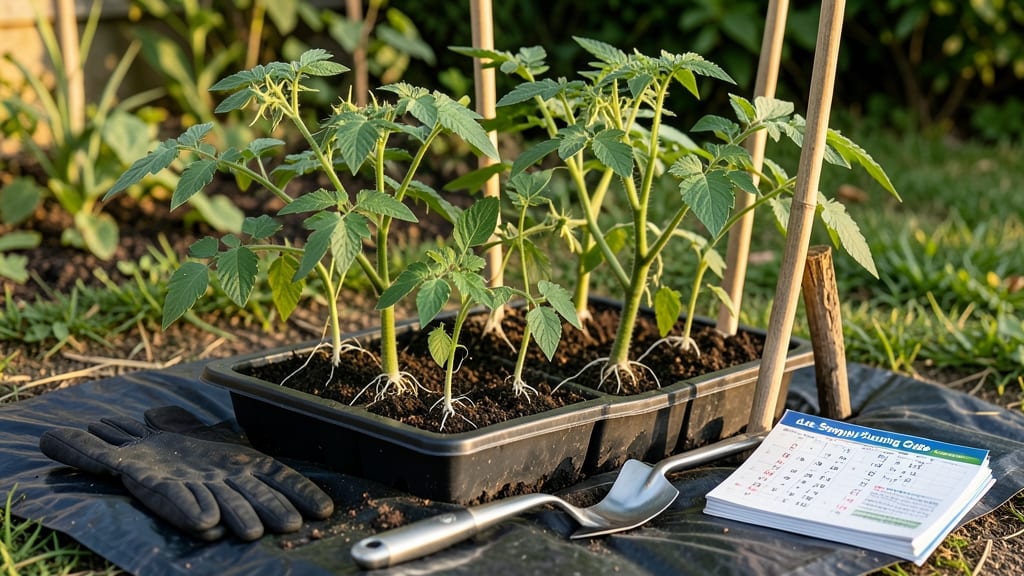
Planting your 🍅 tomatoes at the wrong time in Missouri can mean the difference between a bumper crop and a sad, wilted disappointment—but getting the timing right isn’t just about memorizing a date.
With frost-free windows stretching from mid-April to early June across the state’s 5b-6b zones, the key is knowing your county’s last frost date and adjusting for soil warmth. Too early, and a late freeze will kill your seedlings; too late, and your harvest shrinks before summer’s peak heat.
I’ve grown tomatoes in Missouri for years, and the most critical factor isn’t just the calendar—it’s your microclimate. Urban St. Louis may be ready by late April, while rural areas in the northwest might still need to wait until early June.
In this guide, I’ll break down the exact planting windows by region, plus how to prep your soil and choose varieties that thrive in Missouri’s heat and humidity. Let’s make sure your tomatoes get the perfect start.
Missouri tomato planting dates by county: frost-free zones explained
Missouri’s diverse climate means your tomato planting schedule depends heavily on your county’s last frost date. Whether you’re in St. Louis, Kansas City, or rural southwest Missouri, knowing these dates ensures your seedlings thrive—not just survive.
Most of Missouri falls in USDA Zones 5b-6a, but microclimates can shift planting windows by 2-3 weeks.
For transplanting seedlings, wait until soil temperatures hit 60°F+ and nighttime lows stay above 50°F. Direct sowing? Push it to 2 weeks after your county’s average last frost.
Rural areas often warm faster than cities, so adjust accordingly. Let’s break down the key counties where you’ll see the biggest variations.
Pro Tip: Use black plastic mulch to warm soil 5-10°F faster, giving you an earlier start in cooler zones like Northeast Missouri. Pair this with row covers for extra protection if frost lingers.
| County | Avg Last Frost | Earliest Safe Transplant | Direct Sow Window | Extreme Late Frost |
|---|---|---|---|---|
| St. Louis (St. Louis Co.) | April 20 | May 1 | May 15-June 1 | May 5 (1975) |
| Kansas City (Jackson/Clay Co.) | April 15 | April 25 | May 1-May 15 | May 10 (2002) |
| Springfield (Greene Co.) | April 10 | April 20 | April 25-May 10 | April 25 (1982) |
| Columbia (Boone Co.) | April 18 | April 28 | May 1-May 15 | May 3 (1996) |
| Southeast MO (Cape Girardeau) | April 5 | April 15 | April 20-April 30 | April 10 (2018) |
| Southwest MO (Joplin) | April 5 | April 15 | April 20-May 5 | April 12 (1977) |
*Dates based on 30-year averages (1991-2020). Rural areas may vary ±3 days.
Notice how southeast Missouri (like Cape Girardeau) gets an earlier start than St. Louis? That’s because the Mississippi River creates a microclimate. Meanwhile, Kansas City’s urban heat island can delay frost by 3-5 days compared to outlying areas. Always check your local weather station for real-time updates.
For direct sowing, Missouri’s short growing season means you’ll want to focus on fast-maturing varieties (like ‘Early Girl’ or ‘Stupice’) if planting after May 15. These varieties can go from seed to harvest in 55-65 days, giving you a second chance at tomatoes before fall frost.
If you’re in USDA Zone 6a (like southern Missouri), consider succession planting: sow a second batch of seeds in early June for a late-summer harvest. Use dwarf varieties (like ‘Tiny Tim’) in containers to extend your season on patios or balconies.
One critical mistake Missouri gardeners make? Ignoring soil temperature. A soil thermometer ($10 at garden centers) is your best friend—tomato roots won’t grow below 55°F. In northern Missouri, wait until May 10 even if frost dates suggest earlier planting.
For urban gardeners, city heat can push back frost dates by up to 10 days. If you’re in
How to adjust tomato planting for Missouri’s microclimates and soil conditions
Missouri’s diverse landscapes—from urban heat islands in St. Louis to cool river valleys in the Ozarks—create unique challenges for tomato growers. Your microclimate and soil type can shift planting windows by weeks. For example, clay-heavy soils in western Missouri drain poorly, while loamy soils in central regions hold moisture perfectly.
I’ve learned to adjust my approach based on these factors to avoid stunted growth or early blight.
Start by testing your soil’s drainage and pH. Missouri’s clay soils (common in counties like Boone or Cooper) need amendments like compost or sand to prevent root rot. In contrast, sandy soils in the bootheel require organic matter to retain moisture.
Aim for a pH of 6.2–6.8—tomatoes thrive in slightly acidic conditions. I always add a 2-inch layer of compost before planting to improve both structure and fertility.
Urban gardeners face additional hurdles like limited space and heat reflection from pavement. If you’re growing in containers or raised beds, use heat-tolerant varieties like ‘Celebrity’ or ‘Better Boy’ and plant 1–2 weeks later than rural areas.
These varieties handle Missouri’s summer heat waves (often exceeding 90°F) better than traditional heirlooms. I’ve also had success with black plastic mulch to warm the soil faster in city gardens.
🌱 Missouri Tomato Planting Adjustments
| Factor | Urban Areas | Rural Areas |
|---|---|---|
| Soil Type | Amend with compost; use containers | Test for clay/sand; add organic matter |
| Planting Time | Wait until May 1–15 (later frost risk) | Plant April 15–May 1 (soil warms faster) |
| Heat Tolerance | Use heat-resistant varieties (e.g., ‘Solar Fire’) | Choose early maturing types (e.g., ‘Early Girl’) |
| Season Extension | Row covers for early starts | Cold frames for fall harvests |
💡 Pro Tip: Succession plant every 2 weeks in June for continuous harvests through October.
For rural gardeners, focus on succession planting to extend harvests. Plant a second batch of seedlings in late May or early June for a fall crop. I’ve had great luck with ‘Mountain Merit’—it ripens quickly and handles Missouri’s late-summer humidity.
Pair this with row covers to protect against early September frosts, especially in northern counties like Macon or Linn.
If your soil is clay-heavy, consider raised beds or mounds to improve drainage. I fill mine with a mix of topsoil, compost, and perlite to create a loamy texture. For sandy soils, add peat moss or coconut coir to retain moisture.
Always water deeply at the base of plants to avoid fungal diseases like early blight, which thrives in Missouri’s humid summers. A 3-inch layer of mulch helps too—it keeps roots cool and reduces evaporation.
Finally, don’t overlook cold frames or low tunnels for fall planting. In counties like St. Louis or Kansas City, you can start heat-loving varieties like ‘Brandywine’ as early as July 15 under protection.
These methods let me harvest tomatoes well into October, even when nighttime temps dip into the 40s. With these adjustments, Missouri’s microclimates and soil quirks become advantages, not obstacles.