
Plants
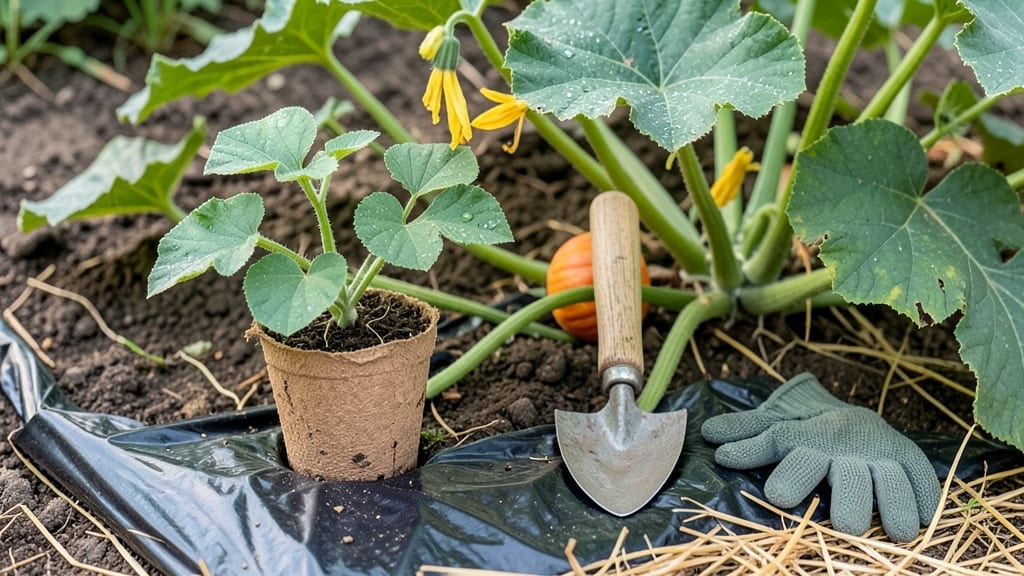
Planting pumpkins in Indiana at the wrong time can mean the difference between a bountiful harvest and a sad, wilted vine. The key to success lies in waiting until after the last frost—typically late April to early May—when soil temperatures hit a warm 70°F.
Why does timing matter so much? Pumpkins are sensitive to cold, and planting too early risks frost damage, while waiting too long cuts your growing season short. Indiana’s Zone 6a climate gives you about 165 frost-free days, so every week counts.
You’ve got options: start seeds indoors 2-4 weeks before your last frost date or sow directly into warmed soil. I’ll walk you through the best varieties for Indiana’s climate and how to stretch your growing season for bigger, healthier 🎃.
Ready to turn your patch into a pumpkin paradise? Let’s break down the exact steps to time your planting perfectly and avoid common mistakes that ruin harvests.
Indiana pumpkin planting timeline by hardiness Zone (5 vs. 6)
Indiana’s pumpkin growing season is short but sweet—just 165 frost-free days in most areas. To avoid frost damage or missed harvests, timing is everything. Zone 5 gardeners have slightly less time than Zone 6, so let’s break down the exact windows for each.
Whether you’re direct sowing seeds or transplanting seedlings, these guidelines ensure your pumpkin vines thrive.
Pumpkins need warm soil (at least 70°F/21°C) and consistent warmth to germinate and grow. In Indiana, this typically aligns with late April to early May, but Zone 5 areas may need to wait an extra week.
I’ll show you how to adjust based on your last frost date and soil conditions for optimal growth.
Soil temperature is your best indicator—use a soil thermometer to confirm readiness. If temperatures dip below 50°F/10°C at night, young seedlings will struggle. Transplants are more resilient than direct-sown seeds, so if your soil is slow to warm, starting seeds indoors 2-4 weeks before the last frost can give you a head start.
Here’s the key difference between Zone 5 and Zone 6: Zone 6 has an extra 2-3 weeks of warmth, allowing for slightly earlier planting.
For example, in Southern Indiana (Zone 6), you might plant as early as mid-April, while Northern Indiana (Zone 5) should wait until late April. Let’s dive into the exact timelines.
If you’re direct sowing seeds, wait until the soil is consistently 70°F/21°C—this usually means after May 1 in Zone 5 and after April 15 in Zone 6. For transplants, you can start slightly earlier (2-4 weeks before last frost) to give them a head start.
I’ve found that hardened-off seedlings planted in late April for Zone 6 or early May
5 Critical factors that determine your pumpkin planting success in Indiana
Indiana’s pumpkin growing season is short but sweet—just 165 frost-free days in most areas. To maximize your harvest, timing is everything. Soil warmth, variety selection, and microclimates can shift your planting window by weeks.
Let’s break down the 5 critical factors that will make or break your pumpkin patch.
First, soil temperature is non-negotiable. Pumpkin seeds need consistent warmth—at least 70°F (21°C)—to sprout.
In Indiana, this usually means waiting until mid-to-late May in Zone 5 and early May in Zone 6. Cold soil slows germination, leaving seedlings vulnerable to late frosts that can kill young plants before they even start.
Next, variety selection directly impacts your planting timeline. Summer squash (like zucchini) matures in 45-60 days, while winter pumpkins (like Sugar Pie or Howden) need 90-120 days. Planting fast-maturing varieties earlier in the season gives you a safety net if first frost arrives early.
Conversely, long-season pumpkins must go in the ground by early May to avoid stunted growth.
Don’t overlook seed viability, especially if you’re using saved seeds. Old seeds (over 2 years) may not sprout reliably. Test them by soaking in water—sunk seeds are good; floating seeds are dead.
For fresh seeds, aim for 90%+ germination to ensure strong starts. If germination is low, consider pre-sprouting seeds on a damp paper towel before planting.
Indiana’s microclimates can also throw off your planting schedule. South-facing slopes or urban heat islands (like paved areas) warm up 1-2 weeks earlier than shady or low-lying gardens. Use row covers or black plastic mulch to warm the soil faster in cooler spots.
Conversely, wet or shaded areas may need a delayed planting to avoid fungal diseases like powdery mildew.
Finally, decide between transplanting seedlings or direct sowing. Transplants let you start 2-4 weeks earlier (indoors), but Indiana’s humid summers often favor direct-sown seeds, which handle transplant shock better. If you choose transplants, harden them off for 7-10 days before moving them outside to avoid shock.
By mastering these 5 critical factors, you’ll align your pumpkin planting with Indiana’s unique climate—whether you’re growing giant jack-o’-lanterns or bush varieties for easy harvests. Happy planting! 🎃