
Plants
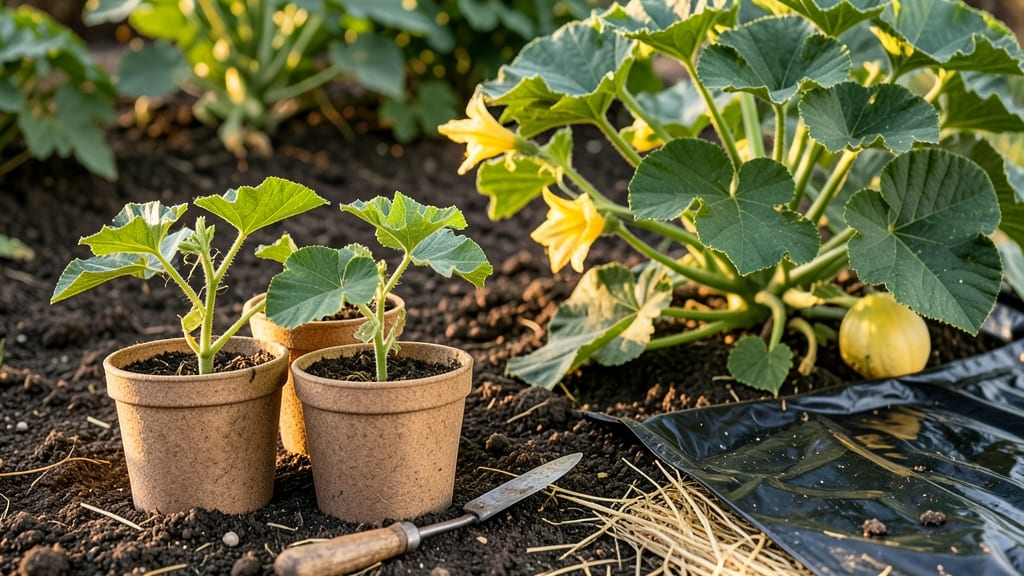
Planting pumpkins in Michigan isn’t just about tossing seeds into the dirt and hoping for the best—it’s about timing them perfectly to beat the unpredictable frost and give your 🎃 vines the long, warm season they crave.
With Michigan’s USDA zones 5b-6b and frost dates that can swing wildly from year to year, getting the timing right is the difference between a bumper crop and a sad, wilted vine.
The key? Start seeds indoors 4-6 weeks before your last frost date—typically late April to early May—but don’t rush them outside until the soil hits at least 70°F.
Whether you’re in the Upper Peninsula or the Lower Peninsula, this guide breaks down the exact frost-free timeline you need to maximize your harvest.
I’ll show you how to adjust for late frosts, droughts, and even how to extend your growing season with simple tricks—so you can enjoy pumpkins as big as your porch by fall.
Ready to turn your garden into a pumpkin patch? Let’s dive into the step-by-step schedule that’ll have you harvesting before the first frost hits.
Michigan pumpkin planting calendar by frost Zone (USDA 3-7): exact dates for peak yields
Michigan’s diverse frost zones mean your pumpkin planting timeline depends heavily on whether you’re in the Upper Peninsula (USDA Zone 4) or Lower Peninsula (Zones 5-6). Getting the timing wrong can mean lost crops or stunted growth—but with the right schedule, you’ll enjoy bountiful harvests before winter arrives.
Let’s break down the exact planting windows for each zone, including soil temperature requirements and historical frost data from 2024.
Pumpkins thrive when planted after the last frost date and when soil temperatures consistently reach 70°F+. In Michigan, this typically falls between late May and early June, but northern regions (like Zone 4) may need to wait until mid-June.
Direct sowing too early risks frost damage, while planting too late cuts your harvest window short. Balancing these factors ensures your pumpkin vines have enough time to mature before first frost (usually mid-October in most zones).
To simplify, I’ve created a zone-specific planting calendar below, including transplant vs. direct-sowing options. Whether you’re growing ‘Howden’ (a classic Michigan favorite) or ‘Jack Be Little’ (a fast-maturing variety), these dates will help you maximize yields.
Pro tip: Use row covers in cooler zones to extend your season by 2-3 weeks.
If you’re starting seeds indoors (a great strategy for Zone 4-5 gardeners), begin 4–6 weeks before your last frost date. For example, in Zone 4, start seeds indoors by May 1 to transplant outdoors by June 10.
Use biodegradable pots to avoid root disturbance when moving seedlings. Harden off seedlings for 7–10 days before transplanting to reduce shock.
For direct sowing, wait until the soil temperature at 2 inches deep reaches 70°F+. Use a soil thermometer to monitor—cold soil slows germination and increases disease risk.
In Zone 6-7, you can often direct sow as early as late April, but Zone 4 may need to wait until mid-June. Plant 3–4 seeds per hill, spacing hills 4–6 feet apart to accommodate vine spread.
Michigan’s 2024 frost data shows late-spring surprises are common. For example, Marquette (Zone 4) saw a late frost on May 28, while Detroit (Zone 6) had an unexpected freeze on April 12.
To mitigate risks, I recommend checking the Michigan State University Extension’s frost alerts or using a frost-free date calculator like the National Oceanic and Atmospheric Administration (NOAA) tool. If frost threatens after planting, cover seedlings with frost cloth or
5 Critical factors that determine your Michigan pumpkin planting success (beyond just dates)
Planting pumpkins in Michigan isn’t just about checking a calendar—it’s about understanding your local microclimate, soil readiness, and seasonal extensions.
While most guides focus on frost dates, I’ve learned the hard way that soil temperature, companion plants, and protective barriers can make or break your harvest. Let’s dive into the factors that truly separate a thriving patch from a frozen failure.
First, your soil temperature is the silent hero of pumpkin success. Seeds need consistent warmth—at least 55°F—to germinate, but roots thrive at 70°F+. In Michigan’s USDA Zones 5-6, this often means waiting until late May or early June, even if frost dates suggest otherwise.
I’ve seen seedlings rot in cold, damp soil despite "safe" air temperatures.
Avoid guessing by using NOAA’s Frost Prediction Tool or your local MSU Extension alerts. These resources provide hyperlocal data that generic planting charts miss.
For example, Traverse City might be frost-free by May 10, while Detroit could still see frost in late May. Track both air and soil temps—NOAA’s Soil Temp Maps are a game-changer.
- 1 Soil Temp Threshold: Wait until soil hits 55°F+ (use a soil thermometer—don’t guess!). Pumpkin seeds won’t germinate in cold soil, no matter the air temp.
- 2 Companion Plants: Pair pumpkins with marigolds (repel pests) or nasturtiums (trap aphids). Avoid planting near potatoes—they compete for nutrients.
- 3 Row Covers: Use floating row covers to extend your season by 2-3 weeks. Remove when flowers appear to allow pollination (hand-pollinate if needed).
- 4 Cold Frames: Start seeds in cold frames 4-6 weeks before last frost. Transplant hardened-off seedlings when soil warms—this buys critical time in short Michigan summers.
- 5 Fast Varieties: Choose ‘Jack Be Little’ (75 days) or ‘Sugar Pie’ (80 days) for northern Michigan. Southern zones can handle ‘Howden’ (100+ days) with row covers.
Don’t overlook companion planting—it’s a low-cost insurance policy against pests. I’ve seen marigolds slash squash bug populations by 50%+ in my garden. Plant them in a border around pumpkins or intersperse nasturtiums to lure aphids away.
Pro tip: Avoid planting pumpkins near potatoes—they’re nutrient competitors and attract similar pests.
Michigan’s short growing season demands creativity. I’ve used floating row covers to protect seedlings from late frosts and cold frames to start seeds earlier. For example, a cold frame can add 30-45 days to your season—enough to squeeze in a second planting of fast-maturing varieties like ‘Cinderella.’
Just remember to remove covers during pollination (or hand-pollinate with a paintbrush!).
Finally, variety selection is non-negotiable. Northern Michigan gardeners should stick to short-season varieties (under 90 days) unless they’re willing to extend the season aggressively.
Southern Michigan has more flexibility, but even there, a sudden frost can wipe out unprotected plants. Start small—test a few varieties before committing to a full patch.
Your Michigan pumpkin patch isn’t doomed by frost dates—it’s about working with, not against, your climate. Combine soil warmth, protective strategies, and smart companions, and you’ll be carving homegrown jack-o’-lanterns come October. 🎃