
Plants
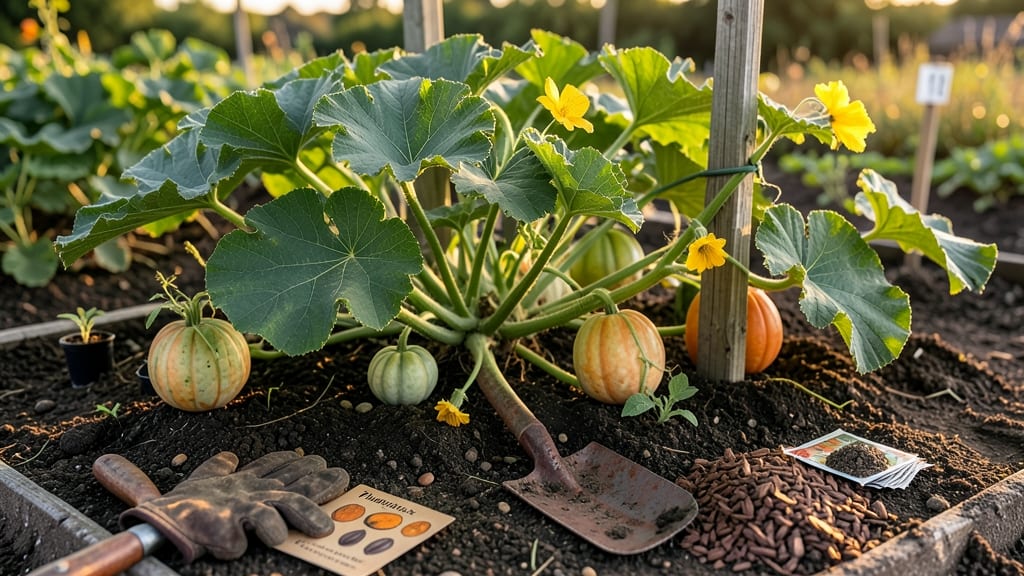
Planting pumpkins in Missouri isn’t just about throwing seeds into the dirt—it’s about timing them perfectly to beat the first frost and grow a harvest-worthy 🎃.
With the state’s 5b-6b climate, you’ve got a narrow window (mid-April to early June) to get seeds in the ground before summer heat sets in, but too early and frost will still nip your vines.
Missouri’s unpredictable frost dates mean the difference between a thriving pumpkin patch and a sad, wilted vine. I’ve grown pumpkins here for years, and the key is knowing when to start seeds indoors (or direct-sow) to ensure vines reach maturity by late September—before the first frost hits.
Whether you’re growing Jack-o’-lantern giants or sweet pie pumpkins, the right timing saves you from wasted effort. In this guide, I’ll break down the exact months to plant, soil prep tips, and even the best varieties for Missouri’s short but sweet growing season.
Ready to avoid the common mistakes that kill pumpkin patches? Let’s get those seeds in the ground at the perfect moment—so you’re carving (or baking!) pumpkins by Halloween, not shivering in October with empty vines.
Missouri’s pumpkin planting calendar: exact months by frost Zone
Missouri’s three USDA frost zones (5a, 6b, 7a) create dramatic differences in pumpkin planting windows. In Zone 5a (northwest Missouri), you’ve got just 180 frost-free days, while Zone 7a (southeast Missouri) enjoys 210+ days.
These differences mean planting 3-4 weeks earlier in southern Missouri compared to northern regions. The Missouri State Climatologist’s 2023-2024 data shows last-frost dates ranging from April 1-15, making soil temperature your most critical factor.
Pumpkin seeds need soil temperatures above 60°F to germinate reliably. In Missouri, this typically occurs between mid-April and early May, but Zone 5a gardeners often wait until late May to avoid frost damage.
For direct sowing, wait until your soil thermometer reads consistently above 60°F for at least 5 days. If you’re starting seedlings indoors, begin 4-6 weeks before your target outdoor planting date to give them a head start.
Here’s the exact planting window breakdown by zone, including seedling transplant dates and direct sowing recommendations:
| Zone | Avg Last Frost | Soil Temp for Planting | Direct Sow Window | Transplant Window | Harvest Window |
|---|---|---|---|---|---|
| 5a (Northwest MO) | April 15 | 60°F+ (mid-May) | Late May - Early June | May 1-15 (seedlings) | Late Sept - Early Oct |
| 6b (Central MO) | April 1 | 60°F+ (early May) | Mid-April - Late May | April 15 - May 1 (seedlings) | Mid-Sept - Late Oct |
| 7a (Southeast MO) | March 15 | 60°F+ (late April) | Late March - Early June | March 30 - April 15 (seedlings) | Early Sept - Mid-Nov |
For Zone 5a gardeners, I recommend planting fast-maturing varieties (like ‘Jack Be Little’, which matures in 75 days) to ensure harvests before the first frost.
In Zone 7a, you can afford slightly slower varieties (like ‘Howden’, 90 days) and even experiment with fall-winter squash like butternut for extended harvests. Always check your local Missouri Climate Center for real-time frost alerts—2023 saw unexpected late frosts in early October.
If you’re using black plastic mulch (a game-changer for Missouri), you can plant 2-3 weeks earlier because it warms the soil faster. Lay the mulch 1-2 weeks before planting to raise soil temperatures by 5-10°F.
For direct sowing, plant 2-3 seeds per hill, spacing hills 4-6 feet apart to give vines room to sprawl. Thin to the strongest seedling once they’re 3 inches tall to avoid competition.
Pro tip: Use a soil thermometer to confirm temperatures—last year, my Zone 6b garden hit 60°F on April 12, but a neighbor’s Zone 5a soil stayed below 55°F until May 1.
This 2-week delay meant their pumpkins matured 14 days later, cutting their harvest window by half. Don’t gamble with guesswork—measure your soil!
For seedling starts indoors, use biodegradable pots to avoid transplant shock. Harden off seedlings for 7-10 days before moving them outside, and plant them after the last frost date—even if your soil is warm.
I’ve found that transplanting too early in Zone 5a often leads to root rot from lingering cold nights. If frost is forecast within 2 weeks of harvest
How to adjust pumpkin planting for Missouri’s microclimates and soil conditions
Missouri’s diverse landscapes—from urban heat islands in St. Louis to river valley lowlands along the Mississippi—create wildly different growing conditions for pumpkins. Even within the same county, your garden’s microclimate can delay or accelerate frost by 2-3 weeks, making adjustments critical for a successful harvest.
The key lies in soil preparation, mulching strategies, and season extension tactics tailored to your specific location.
Let’s start with soil conditions. Missouri’s famous clay-heavy soils (common in the Bootheel region) drain poorly, while sandy loams in northwest Missouri dry out too quickly. Both extremes stress pumpkin vines, which need consistent moisture and well-aerated roots.
For clay soils, amend with composted manure or sand before planting, while sandy soils benefit from organic matter like leaf mold or peat moss.
Here’s how to fine-tune your planting strategy based on Missouri’s unique challenges:
- 1. Urban Heat Islands: Plant 2-3 weeks earlier (late March) in cities like Kansas City or St. Louis. Use black plastic mulch 2 weeks before last frost to warm soil to 70°F+—ideal for germination.
- 2. River Valleys: Delay planting until mid-April to avoid spring floods. Elevate beds with raised rows or mound planting to prevent waterlogging, which causes root rot.
- 3. Clay Soils: Apply 3 inches of compost and straw mulch to improve drainage. Plant on mounds (12 inches high) to prevent water pooling around vines.
- 4. Early Starts: Use row covers (remove after flowers appear) to extend the season by 3 weeks. For transplants, start seeds indoors 4 weeks before your last frost date.
- 5. Companion Planting: Interplant with bush beans (fixes nitrogen) or marigolds (repels pests). Avoid planting near potatoes, which compete for nutrients.
For organic growers, focus on cover crops like clover (planted in fall) to enrich soil naturally. Conventional growers can use pre-emergent herbicides (applied after planting) to suppress weeds without harming vines. Remember: pumpkin vines hate competition, so keep beds weed-free for the first 6 weeks after germination.
One of my favorite tricks? Succession planting in early June for a fall harvest. Choose fast-maturing varieties like ‘Jack Be Little’ (75 days) or ‘Small Sugar’ (80 days) to beat early frosts.
Pair this with drip irrigation to maintain even moisture—critical in Missouri’s unpredictable summer rains and drought spells.
Finally, monitor your local Missouri Climate Center for frost forecasts. If temperatures dip below 50°F at night, use frost blankets on young plants or cold frames for seedling protection. With these adjustments, you’ll turn Missouri’s challenges into harvest gold—just in time for Halloween or Thanksgiving tables.