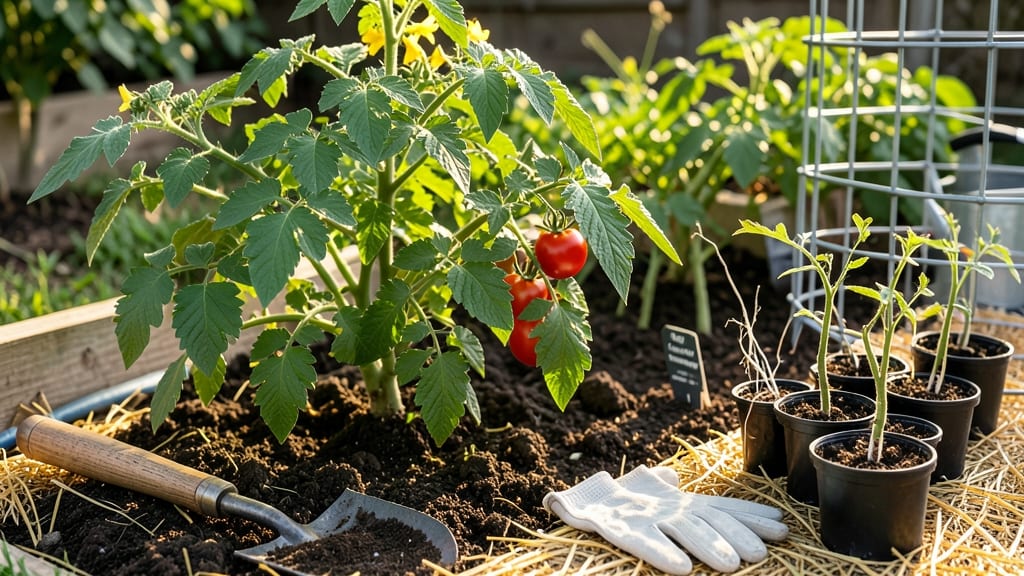
Planting tomatoes in Texas isn’t just about grabbing a seed packet—it’s about outsmarting the heat and frost to get a bountiful harvest of juicy 🍅.
Whether you’re in the Panhandle or South Texas, timing is everything, and getting it wrong means your plants could bolt in the heat or freeze before fruiting.
I’ve grown tomatoes in Texas for years, and the biggest mistake gardeners make is assuming one planting window works everywhere. The truth? North Texas and South Texas have completely different frost-free dates, and even a week’s delay can mean the difference between a thriving vine and a sad, wilted plant.
In this guide, I’ll break down the exact heat-zone-specific planting schedule—when to start seeds indoors, when to transplant seedlings, and how to adjust for Texas’ unpredictable weather. You’ll learn which tomato varieties handle the heat best and how to protect your plants from sudden temperature swings.
By the end, you’ll know exactly when to plant for maximum yield, whether you’re a beginner or a seasoned gardener. Let’s get those tomatoes growing!
🍅When to Plant Tomato
Jan❄️
Feb🌱
Mar🍅
Apr🍅
May🌱
Jun🌱
Jul🍅
Aug🍅
Sep🌱
Oct🍂
Nov🍂
Dec❄️
Ideal Time
Also Good
Texas heat-zone planting schedule: exact start dates by region
Texas stretches across 11 distinct heat zones, from the freezing Panhandle (Zone A1) to the tropical Rio Grande Valley (Zone C2). Each zone demands a different approach to tomato planting—soil temperatures, frost risks, and heat tolerance all shift dramatically.
For example, North Texas gardeners can start seeds indoors in mid-February, while South Texas growers should wait until late March to avoid wilting under 100°F+ conditions.
Your planting window hinges on three critical factors: average last frost date, soil temperature consistency (tomatoes need at least 60°F), and whether you're planting determinate (bush) or indeterminate (vining) varieties.
Determinate types like 'Celebrity' or 'Roma' tolerate cooler soils better, while indeterminate varieties such as 'Sungold' or 'Better Boy' demand warmer conditions to thrive. Let’s break down the exact dates by zone.
📅 Pro Tip: Use black plastic mulch to raise soil temperatures by 5-10°F in spring, allowing earlier planting in cooler zones like A1-B2. In heat zones C1-C2, opt for shade cloth (30-50%) to protect seedlings during the brutal June-August heat.
Heat Zone
Avg Last Frost
Seed Start Indoors
Transplant Outdoors
Soil Temp Requirement
Best Varieties
A1 (Panhandle)
Feb 15
Mid-Feb
Apr 15-May 1
60°F+
'Celebrity', 'Mountain Merit'
B1 (North)
Mar 1
Late Feb
Apr 1-May 10
60°F+
'Early Girl', 'Better Boy'
B2 (Central)
Feb 28
Early Mar
Mar 15-Apr 15
65°F+
'Sungold', 'Beefsteak'
C1 (East)
Jan 31
Late Feb
Mar 1-Apr 1
70°F+
'Heatmaster', 'Arkansas Traveler'
C2 (South)
Jan 15
Early Mar
Feb 15-Mar 15
75°F+
'Solar Fire', 'Heatwave II'
🌱 Note: Fall planting windows open 8-10 weeks before first frost (e.g., late July
How to adjust tomato planting for Texas’ unpredictable weather patterns
Texas weather can swing from freezing frosts to 100°F heat in a single week, making tomato planting a high-stakes game. I’ve learned the hard way that rigid planting schedules fail here—you need flexible strategies to protect your plants.
The key is adapting to sudden temperature shifts while maximizing your harvest window.
One of my biggest successes came when I used staggered planting in North Texas. Instead of planting all my seedlings at once, I spaced them out every 2 weeks from mid-March to early April.
This ensured a continuous harvest before summer’s brutal heat set in. The same approach works for fall plantings—start your last batch by mid-July to avoid early frosts.
Here’s my battle-tested system for handling Texas’ weather extremes:
1. Stagger Planting by 2-week intervals to extend harvest season and avoid all plants bolting at once.
2. Use Shade Cloth (30-50%) during 95°F+ heat waves to prevent sunscald on fruit and leaf drop.
3. Mulch Heavily with straw or black plastic to retain moisture and regulate soil temps (±5°F cooler).
4. Choose Heat-Tolerant Varieties like 'Heatmaster' or 'Solar Fire' that thrive in 90°F+ conditions.
5. Monitor Soil Temps—keep above 60°F for germination and 70°F+ for fruiting.
6. Water Deeply at soil level (not leaves) in morning to prevent fungal diseases during humidity spikes.
7. Plan for Fall—start seeds indoors 8-10 weeks before your average first frost date.
For North Texas gardeners, I recommend planting your first batch when nighttime temps stay above 55°F consistently. In South Texas, you can start as early as January for fall crops, but watch for unpredictable late frosts—I’ve seen 28°F temps hit in February!
Always have row covers ready for emergencies.
One year, a sudden heatwave hit 105°F just as my tomatoes were flowering. I immediately draped 50% shade cloth over the plants and increased watering to 2 inches per week.
Within days, the plants stabilized, and I still got a full harvest. That’s the power of quick adjustments—don’t wait until it’s too late!
Remember, Texas tomatoes reward proactive care. The more you observe your plants and adapt, the better your yields will be. Start with these strategies, and you’ll turn Texas’ weather chaos into your advantage.