
Planting
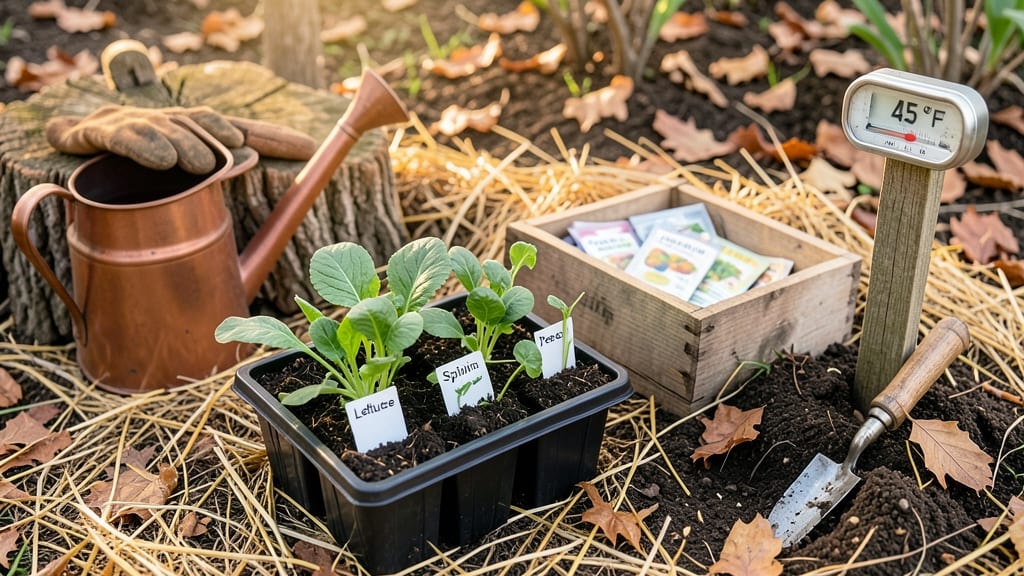
Planting your garden in Cleveland, Ohio, at the wrong time can mean the difference between a thriving harvest and a sad pile of frost-bitten seedlings. With USDA Zone 6a and lake-effect weather throwing curveballs, timing is everything—and getting it right means avoiding those heartbreaking late-spring freezes.
Most gardeners in Cleveland wait until mid-April to mid-May after the last frost date, but the truth is more nuanced. Your microclimate—whether you're near Lake Erie or tucked into a valley—can shift those windows by 1-2 weeks.
I’ll break down the exact dates you need to know, so your 🌱 General Garden Plants get off to the strongest start possible.
Why risk waiting too long? Warm-season crops like tomatoes and peppers need soil temperatures above 60°F to thrive, while cool-season veggies like spinach and peas can handle earlier planting. I’ll show you how to read Cleveland’s unpredictable weather patterns and adjust your schedule accordingly.
From soil prep to seedling hardening, this guide gives you the confidence to plant like a pro—no guesswork, just results. Let’s get those seeds in the ground at the perfect moment for your neighborhood.
Cleveland’s 2024 planting zones & last frost dates by neighborhood
Cleveland’s USDA Hardiness Zone 6a might sound straightforward, but the city’s microclimates create wildly different planting conditions. Lake Erie’s influence means cooler, frost-prone zones near the shore, while inland areas like Rocky River experience urban heat islands that delay frost by 1-2 weeks.
Valley areas like Shaker Heights can see 5°F colder lows than downtown, making frost dates unpredictable.
Based on 2010–2023 NOAA data, Cleveland’s average last frost date is April 15, but your neighborhood could see it as early as March 20 (inland heat zones) or as late as May 1 (lake-effect areas).
Warm-season crops like tomatoes and peppers need to wait until soil warms to 60°F, often mid-May for most areas.
Cool-season crops (spinach, peas, lettuce) can go in as early as March 15 in sheltered inland spots, but lake-adjacent gardens should wait until April 1 to avoid frost damage. Herbs like basil and cucumbers are high-risk—plant them only after May 10 in most zones, or use row covers for earlier starts.
First frost typically arrives October 15, but urban areas may hold onto warmth until October 30. Valley gardens often see frost 2 weeks earlier. Extend your season by planting cold-hardy crops (kale, carrots) in early September or using low tunnels to protect tender greens.
For cool-season crops, start spinach and peas in March in inland areas, but wait until April 1 near the lake. Lettuce and kale can handle light frosts, so plant them 2 weeks before your expected last frost date. Succession planting every 2 weeks ensures a continuous harvest.
Warm-season plants like tomatoes, peppers, and basil are frost-sensitive—wait until soil temperatures hit 60°F (use a soil thermometer to check). In Cleveland, this usually means mid-May for most areas, but lake zones may need to wait
How to adjust planting timing for Cleveland’s unpredictable weather patterns
Cleveland’s lake-effect weather and microclimates can make planting feel like a guessing game. One year, your tomatoes might thrive when planted in early May, while the next, a late frost wipes out your seedlings by Memorial Day.
The key? Flexible strategies that let you extend your growing season and adapt to Mother Nature’s whims.
I’ve spent years testing methods to protect my garden from Cleveland’s unpredictable frost dates. Whether you’re growing peppers that need warmth or kale that thrives in cool weather, these tactics will help you plant with confidence—even when the forecast changes daily.
🌱 3-Step Risk Calculator for Planting in Cleveland
- Step 1: Check NOAA’s 10-Day Forecast – Look for low-temperature alerts below 32°F in the next 5 days. If frost is predicted, delay planting warm-season crops like basil or cucumbers by 1–2 weeks.
- Step 2: Harden Off Seedlings Gradually – If you’ve started tomato or pepper seedlings indoors, expose them to outdoor conditions for 5–7 days before planting. Start with 2 hours/day and increase by 1 hour daily.
- Step 3: Use the “5-4-3 Rule” for Direct Sowing – Wait until the soil temperature hits 50°F for cool-season crops (like spinach or carrots) or 60°F for warm-season crops. Check temps with a soil thermometer at 4 inches deep for 3 consecutive days.
One of my favorite tools is a row cover, which adds 2–4°F of protection against frost. I use it to plant cabbage or broccoli 2–3 weeks earlier than the last frost date.
For extreme flexibility, cold frames let me start herbs like parsley or cilantro indoors in March and transplant them outside by early April—even if frost lingers.
Succession planting is another game-changer. Instead of planting all your lettuce at once, I sow half in early April (under row covers) and the rest in mid-May. This ensures a steady harvest and reduces the risk of losing your entire crop to a late freeze.
For fast-growing crops like radishes or bush beans, I plant every 2 weeks from May through July.
Don’t overlook NOAA’s Local Climate Data. Cleveland’s average last frost date is around April 15, but historical records show frost as late as May 10. I cross-reference this with the Cleveland Botanical Garden’s planting calendar and adjust my timeline accordingly.
For example, I wait until May 1 to plant peppers unless the forecast is consistently warm for 7+ days.
Pro tip: If you’re unsure whether to plant, use the “finger test”. Stick your finger 4 inches deep into the soil—if it feels cooler than your wrist, wait another week.
This simple trick has saved my tomato seedlings from shock more times than I can count. With these strategies, you’ll turn Cleveland’s unpredictable weather into an advantage, not a roadblock. 🌿