
Plants
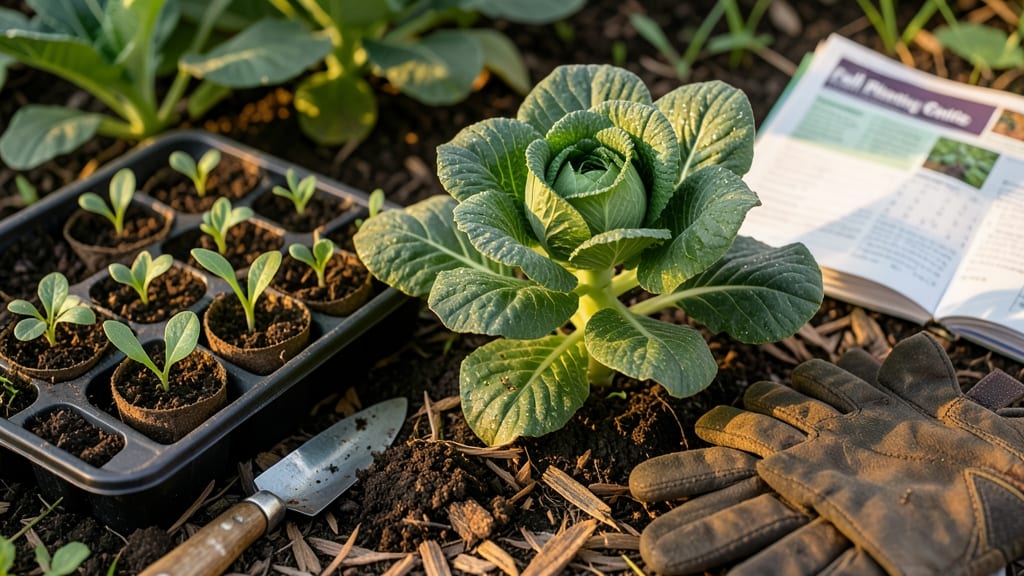
If you've ever planted 🥬 cabbage in Zone 8a only to watch it bolt into bitter flowers before harvest, you're not alone. The key to avoiding this common frustration lies in perfecting your planting timing—something that can make or break your fall and spring harvests.
Zone 8a's mild winters and long growing season give you two prime opportunities to plant cabbage: early spring and late summer. But getting the timing wrong means risking bolting from heat stress or frost damage.
I'll show you exactly when to start seeds indoors and when to transplant seedlings for foolproof results.
Spring planting should begin indoors 6-8 weeks before your last frost date, while fall crops need to hit the soil by late summer to mature before winter chills set in. The difference between these windows isn't just about dates—it's about understanding your microclimate and variety selection.
Let's break down the exact planting schedule that will keep your 🥬 cabbage sweet and crisp from spring through fall, with zero bolt risk. Your garden's about to thank you for this simple but powerful strategy.
Optimal cabbage planting windows in Zone 8a to prevent bolting
In Zone 8a, where temperatures can swing from mild winters to hot summers, timing your cabbage planting is critical to avoid bolting. This cool-season crop thrives when soil temperatures stay between 45°F and 75°F, but heat spikes above 80°F trigger premature flowering.
My strategy focuses on two key windows: early spring and late summer, both designed to align with your local frost dates and heat thresholds.
First, check your last frost date—typically around January 15 in Zone 8a. For spring planting, aim to sow seeds 6-8 weeks before your last frost, usually in February or early March. This gives seedlings time to mature before summer heat arrives.
Fall planting, however, requires more precision: start seeds 8-10 weeks before your first frost (around mid-September), ensuring harvests occur before winter chills set in.
Here’s the summary table breaking down your planting windows, soil temps, and heat tolerance thresholds for Zone 8a:
| Planting Window | Ideal Soil Temp | Heat Threshold | Frost Alignment | Harvest Window |
|---|---|---|---|---|
| Early Spring (Feb-Mar) | 45°F–65°F | Below 80°F | After last frost (Jan 15) | May–July |
| Late Summer (Aug-Sep) | 60°F–75°F | Below 85°F | Before first frost (Dec 15) | Oct–Dec |
For spring planting, I start seeds indoors in late January to give them a head start. Transplant seedlings outdoors once soil warms to 50°F and nighttime temps stay above 40°F.
Use shade cloth if daytime temps creep toward 80°F to delay bolting. In my garden, this means setting up cloth by late April to protect young plants during heat spikes.
Fall planting demands even more attention to heat tolerance. Begin seeds indoors in mid-July and transplant outdoors by early August, ensuring they mature before September’s heat.
If your summers are particularly brutal, opt for bolt-resistant varieties like ‘Golden Acre’ or ‘Red Express,’ which handle warmth better than standard types. I’ve found these varieties add 2-3 weeks of usable growing time before bolting sets in.
Soil temperature is non-negotiable. Use a soil thermometer to confirm readings—cabbage roots struggle below 45°F or above 75°F. In Zone 8a, this often means waiting until mid-March for spring or planting by late August for fall.
Pro tip: Amend your soil with compost to improve heat retention, which helps maintain stable temps during transitional months.
Don’t overlook your microclimate. Coastal areas in Zone 8a may have cooler summers and later frosts, while inland regions face earlier heat. If you’re near the coast, you might push fall planting to early October, but inland gardeners should aim for mid-September to avoid heat stress.
I once tried planting in late September inland and lost half my crop to bolting—lesson learned!
Finally, calculate your frost-free days. Zone 8a typically offers 240 frost-free days, but your exact count depends on elevation and local weather patterns. Use your USDA Plant Hardiness Map to refine your timing.
For example, if your area has 250 frost-free days, you can extend fall planting to early October for a late harvest.
By mastering these planting windows and monitoring soil temps, you’ll avoid bolting and enjoy crisp, sweet cabbage all season long. Start with one window—spring or fall—and refine your approach year by year. Happy gardening! 🥬
How to adjust planting times for early or late harvests in Zone 8a
Want to enjoy homegrown cabbage year-round in Zone 8a? Adjusting your planting schedule lets you harvest earlier or later than the typical fall window. The key is understanding how to stretch your growing season while avoiding heat stress that triggers bolting.
With the right strategies, you can enjoy fresh heads from spring through winter—even in mild climates like ours.
For early harvests, focus on cool-season varieties and strategic timing. For late harvests, extend your season with shade protection and succession planting. Both approaches require careful planning to match your local microclimate. Let’s break down how to make it work without sacrificing quality or risking bitter, bolted cabbage.
Plant bolt-resistant varieties like 'Early Jersey Wakefield' in February under row covers or in a cool greenhouse. Transplant seedlings 6-8 weeks before last frost (mid-March) for heads ready by late April. Use shade cloth (30%) if daytime temps exceed 75°F.
Start seeds 8-10 weeks before first frost (late August) for fall harvests. Use black plastic mulch to warm soil and floating row covers to protect from light frosts. For winter harvests, plant cold-hardy varieties like 'January King' in September and cover with straw mulch (12+ inches).
Sow new seeds every 2-3 weeks from March to August. Space plantings 10 feet apart to stagger maturity. Use dwarf varieties (8-12 inches tall) for container gardens or small spaces. Pair with fast-maturing kale or collards to fill gaps.
Deploy 40-50% shade cloth when daytime temps hit 80°F+. Secure 18 inches above plants to allow airflow. Combine with daily watering (1-1.5 inches) and mulch (straw or grass clippings) to keep roots cool. Monitor for aphids under shade cloth.
Don’t overlook soil temperature—cabbage seeds need soil at 40-50°F to germinate. If your spring soil warms too quickly, delay planting until temps drop below 75°F in late afternoon. For fall plantings, aim for soil temps between 60-70°F to avoid slow growth or bolting.
Pro tip: Test your soil’s pH (6.0-7.0) before planting. Amend with lime if needed, as acidic soil stresses plants and increases bolting risk. Pair your cabbage with companion plants like dill or onions to deter pests and improve flavor.
These small adjustments can mean the difference between a bitter, bolted head and a crisp, sweet harvest.
With these strategies, you’ll enjoy homegrown cabbage from April through December—no more relying on store-bought heads! Start with one method this season, then expand as you gain confidence. Happy growing! 🥬