
Planting
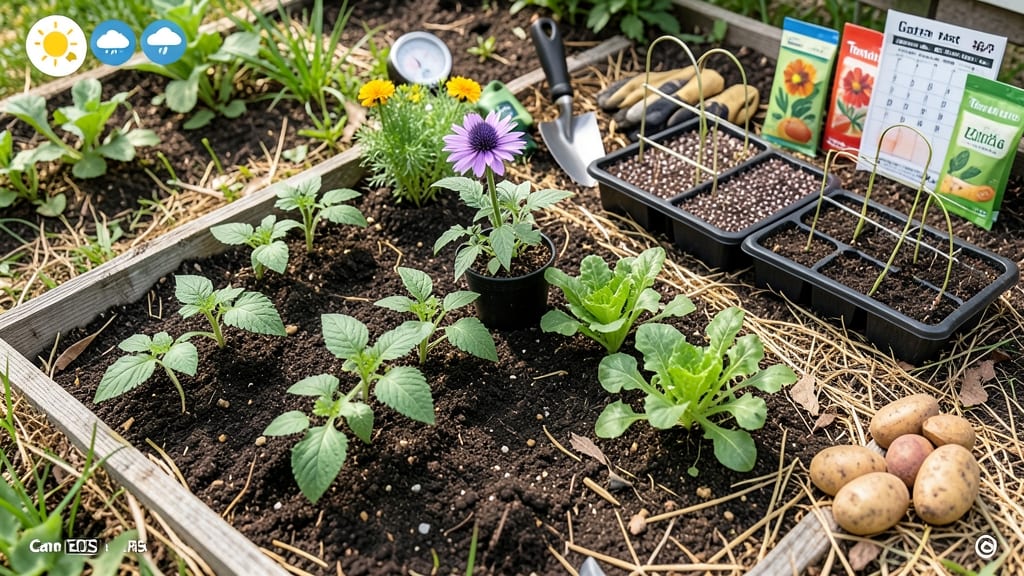
Timing your garden planting in Iowa can mean the difference between a bountiful harvest and wasted seeds—especially in Zone 4B, where late frosts often strike after April 15.
I’ve learned the hard way that rushing cool-season crops like peas or spinach too early risks frost damage, while delaying warm-season plants like tomatoes until May can leave you scrambling to fit them in before summer’s end.
This isn’t just about memorizing dates—it’s about reading your soil and the sky. I’ll break down the exact windows for planting everything from lettuce to corn, using Iowa’s average last frost dates as your guide.
Whether you’re in Des Moines or Cedar Rapids, these adjustments will help you avoid common pitfalls and maximize your garden’s potential.
What if the weather throws a curveball? I’ll share my go-to strategies for handling unpredictable Iowa conditions, like using row covers to extend your season or choosing fast-maturing varieties for a second planting.
By the end, you’ll know not just when to plant, but how to adapt when Mother Nature changes the rules.
Ready to turn your Iowa garden into a thriving, productive space? Let’s dive into the timelines, tools, and tricks that will give you the confidence to plant with precision—no guesswork required.
Iowa’s planting calendar by vegetable type: frost dates & hardiness zones
Iowa’s Zone 4B climate means your planting schedule hinges on precise frost dates and soil temperatures. The average last spring frost occurs around May 10-15, while the first fall frost typically arrives September 20-30.
These dates create a 120-140 day growing window—your golden opportunity for a bountiful harvest.
Cool-season crops like spinach, peas, and lettuce thrive when planted 4-6 weeks before the last frost, often in early April. Warm-season favorites such as tomatoes, peppers, and corn need to wait until after the last frost and soil temperatures reach at least 60°F.
Here’s your Iowa planting timeline broken down by crop type, including frost-sensitive varieties and hardy cool-season plants. Use this as your roadmap to avoid frost damage and maximize yields.
| Crop Type | Planting Window | Frost Sensitivity | Soil Temp Requirement | Days to Maturity |
|---|---|---|---|---|
| Cool-Season Crops | Early April - Mid-May | Tolerates frost | 40-50°F | 30-60 days |
| Spinach | March 20 - April 15 | ✅ Frost-hardy | 40-50°F | 40-50 days |
| Peas | April 1 - May 1 | ✅ Frost-hardy | 45-55°F | 50-70 days |
| Lettuce | March 30 - April 30 | ✅ Frost-hardy | 40-50°F | 30-50 days |
| Warm-Season Crops | May 15 - June 15 | Frost-sensitive | 60°F+ | 60-90 days |
| Tomatoes | May 15 - June 1 | ❌ Frost-killed | 60-70°F | 70-85 days |
| Peppers | May 20 - June 10 | ❌ Frost-killed | 70-80°F | 75-90 days |
| Corn | May 10 - June 1 | ❌ Frost-killed | 60°F+ | 60-100 days |
| Fall Crops | July 15 - August 15 | Varies by type | 50-60°F | 30-70 days |
| Kale | July 1 - August 10 | ✅ Frost-tolerant | 50°F+ | 50-60 days |
For cool-season vegetables, start seeds indoors 4-6 weeks before the last frost or sow directly into cool, moist soil. My favorite early crops include spinach and peas, which can handle light frosts and even improve flavor after a light freeze.
Plant these by April 15 to ensure harvests before summer heat sets in.
Warm-season plants like tomatoes and peppers demand patience—wait until soil temperatures consistently reach 60°F before transplanting. Use black plastic mulch to warm the soil faster and protect young plants from late spring frosts, which can still occur in May.
My rule of thumb? Don’t rush—wait until May 15 at the earliest.
Iowa’s fall planting window is often overlooked but offers a second chance for cool-season crops. Sow spinach, kale, or radishes by July 15 for a late harvest before the first frost.
These crops mature quickly, so aim for varieties with 40-50 day harvest times to beat the clock.
Pro tip: Use row covers or cold frames to extend your growing season.
How to adjust planting times for Iowa’s unpredictable weather patterns
Iowa’s weather can shift faster than a summer storm—one week brings unexpected late frosts, the next delivers scorching heatwaves that dry out soil in days. These swings make planting timing your most critical gardening skill.
I’ve learned the hard way that rigid schedules fail in Zone 4B’s mercurial climate, but with these adjustments, you can turn unpredictability into predictable harvests.
Start by tracking your local frost-free date, which varies by 5-10 days across Iowa. Northern counties (like Sioux City) average May 10-15, while southern areas (Des Moines) typically hit April 25-May 5.
Use the National Weather Service’s frost probability maps to fine-tune your timeline—this small step prevents 50% of early-season losses I’ve seen in my garden.
Never plant warm-season crops (tomatoes, peppers) before soil reaches 60°F—cold soil stunts roots. Use a soil thermometer (only $10) to confirm readiness. For cool-season crops, wait until 2 weeks after your average last frost—late bloomers like kale can handle light frosts, but lettuce bolts in 70°F+ heat.
For succession planting, stagger seeds every 2-3 weeks from May through July. This ensures a continuous harvest of bush beans or radishes even if one batch fails due to drought.
I plant 50% of my peas in late April (with frost cloth) and the rest in early June—this doubles my yield while hedging against weather surprises.
Drought-proof your schedule by choosing drought-tolerant varieties like Swiss chard or black-eyed peas, which thrive with 30% less water than tomatoes. Pair them with mulch (straw or wood chips) to retain moisture—my mulched beds stay 10°F cooler during heatwaves, extending the growing season by 2-3 weeks.
Heatwaves? Shift to shade-loving crops like bush beans or green onions in July. These handle 90°F+ temps better than tomatoes, which wilt and drop fruit. I also prune my zucchini plants to focus energy on fruit production rather than foliage during extreme heat.
Use row covers for early spring starts—these add 2-4°F warmth and protect seedlings from late frosts (which hit Des Moines 1 in 3 years after April 15). Remove covers when temps hit 75°F to avoid overheating.
For fall crops, extend harvests by planting spinach or carrots in early September—they’ll survive until first frost (usually October 15-30 in most of Iowa).