
Planting
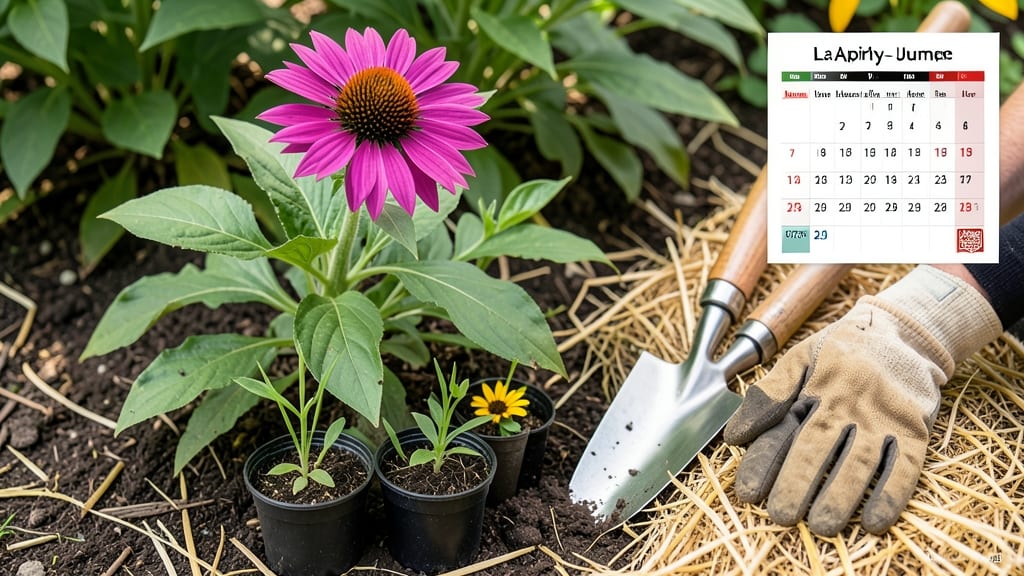
Timing when to plant a garden in Minnesota 🌱 just right can mean the difference between a lush, productive plot and a sad pile of frozen seedlings.
Minnesota’s last-frost dates—typically landing between late April and early June—are the most important factor in your planting success, but getting them wrong can leave you scrambling when a late snow hits.
I’ve learned the hard way that rushing to plant in Zone 3b-5a before the soil warms (or after a surprise frost) can turn your green thumb into a frozen thumb.
The key is knowing your microclimate—whether you’re in the Twin Cities or rural northern Minnesota—and adjusting for those unpredictable weather swings.
In this guide, I’ll break down exactly when to plant everything from peas (which can handle light frost) to tomatoes (which need warmth) so you can maximize your 150 frost-free days.
Plus, I’ll share my top tips for extending your growing season into fall, because Minnesota gardeners know that a late harvest is a happy harvest.
Ready to stop guessing and start growing? Let’s get your General Minnesota Garden on the right track—no more frostbite for your plants!
Minnesota last-frost dates by hardiness Zone: exact planting windows for your region
Minnesota’s USDA Hardiness Zones 3-5 create a unique challenge for gardeners, with last frost dates that can vary by 2-3 weeks across the state.
In Zone 3b (northern MN), the average last frost arrives around May 15, while Zone 5a (southern MN) typically sees frost-free conditions by May 1. These differences mean your planting timeline should align with your specific zone to avoid frost damage to tender seedlings.
To determine the safest planting window, I rely on the 10-day rule—waiting until the frost risk drops below 30% over a 10-day period. This approach helps me avoid those heartbreaking late-May freezes that can wipe out young plants.
For example, in Zone 4a (common in the Twin Cities), I’ll often see frost warnings until May 10, but by May 20, the risk is typically low enough to start planting warm-season crops like tomatoes and peppers.
The summary table below breaks down exact planting windows by zone, including key dates for spring and fall planting, soil temperature requirements, and microclimate adjustments. These details help me tailor my garden calendar to my specific location—whether I’m gardening in duluth (Zone 3b) or rochester (Zone 5a).
Understanding these zone-specific windows is just the first step. I also monitor soil temperatures, which must reach at least 50°F for warm-season crops like tomatoes and peppers. A soil thermometer is my secret weapon—cold soil can stunt growth even if air temperatures are warm.
For cool-season crops like spinach and kale, I often plant 4–6 weeks before the last frost, as they tolerate light frosts.
Microclimates play a huge role in Minnesota gardening. For instance, urban areas like Minneapolis can be 3–5°F warmer than rural zones due to the heat island effect. This means I might plant warm-season crops a week earlier in the city than in the countryside.
Conversely, northern exposures or low-lying areas can stay colder longer, so I adjust by using black plastic mulch to warm the soil faster or opting for frost-hardy varieties like Swiss chard or rutabaga.
For fall planting, I follow a similar strategy but in reverse. The first frost typically arrives between October 10–20, depending on the zone, so I aim to plant cool-season crops like broccoli and carrots by September 1.
I extend the season using row covers or cold frames, which can push harvests into November for hardy greens. This approach maximizes my 150 frost-free days in Minnesota, ensuring a longer harvest window.
One tool I swear by is the 10-day frost probability from the National Oceanic and Atmospheric Administration (NOAA). I check their frost prediction maps and cross-reference with local MN Department of Agriculture reports. For example, in Zone 4a
Cold-hardy crops that thrive in Minnesota’s short growing season
Minnesota’s short growing season doesn’t mean your garden has to be short on success. By choosing cold-hardy crops, you can enjoy fresh harvests from spring through fall. These resilient plants tolerate light frosts and even thrive when planted weeks before the last frost date.
The key is selecting varieties that match Minnesota’s USDA Zones 3-5 and using strategies like succession planting and row covers to extend your harvest.
Many gardeners overlook the fact that some vegetables and herbs can handle near-freezing temperatures and even improve in flavor after a frost. For example, spinach and kale become sweeter after a light freeze, while peas and broccoli can be planted as early as early April in most of the state.
Herbs like parsley and chives are equally tough, making them perfect for extending your garden’s productivity well into autumn.
🌱 Top 12 Cold-Hardy Crops for Minnesota Gardens
- Peas – Plant 4-6 weeks before last frost; tolerates 20°F.
- Spinach – Direct sow 2-3 weeks before last frost; thrives in cool weather.
- Broccoli – Start seeds indoors 6-8 weeks before transplanting; handles 25°F.
- Kale – Sow 3-4 weeks before last frost; sweeter after frost (20°F tolerance).
- Lettuce – Plant 4-6 weeks before last frost; prefers 50-65°F.
- Radishes – Fast-growing; sow 2-3 weeks before last frost (30 days to harvest).
- Swiss Chard – Tolerates 15°F; plant 3 weeks before last frost.
- Cabbage – Start seeds indoors 6-8 weeks before transplanting; handles 20°F.
- Parsley – Biennial herb; plant early spring or fall (tolerates frost).
- Chives – Hardy perennial; plant spring or fall (survives -30°F).
- Cilantro – Cool-season favorite; sow early spring or late summer.
- Asparagus – Perennial; plant crowns in early spring (3-4 years to harvest).
To maximize your harvest, use row covers or frost blankets to protect tender crops like lettuce and spinach from late spring frosts. These lightweight fabrics add just 5-10°F of protection, giving your plants a fighting chance even when temperatures dip unexpectedly.
For example, I’ve used row covers to extend my kale harvest into November, long after most gardens have been put to bed.
Another game-changer is succession planting. Instead of sowing all your seeds at once, stagger plantings every 2-3 weeks for crops like lettuce and radishes. This ensures a continuous harvest and prevents glutting your kitchen with produce all at once.
For instance, planting radishes every 10 days from late April to early June guarantees fresh harvests for months without gaps.
Don’t forget about fall planting! Many cold-hardy crops like spinach and kale can be sown as early as mid-August for a late-season harvest. These plants actually prefer cooler weather and will keep producing until hard frosts arrive in October.
I’ve had great success with fall broccoli, which tastes sweeter after a light frost and matures just in time for holiday meals.
By focusing on these frost-tolerant crops and using simple extensions like row covers and succession planting, you can turn Minnesota’s short growing season into a year-round gardening victory.
Start with just a few of these hardy varieties, and you’ll be amazed at how much fresh produce you can grow—even in the North Star State! 🌱