
Planting
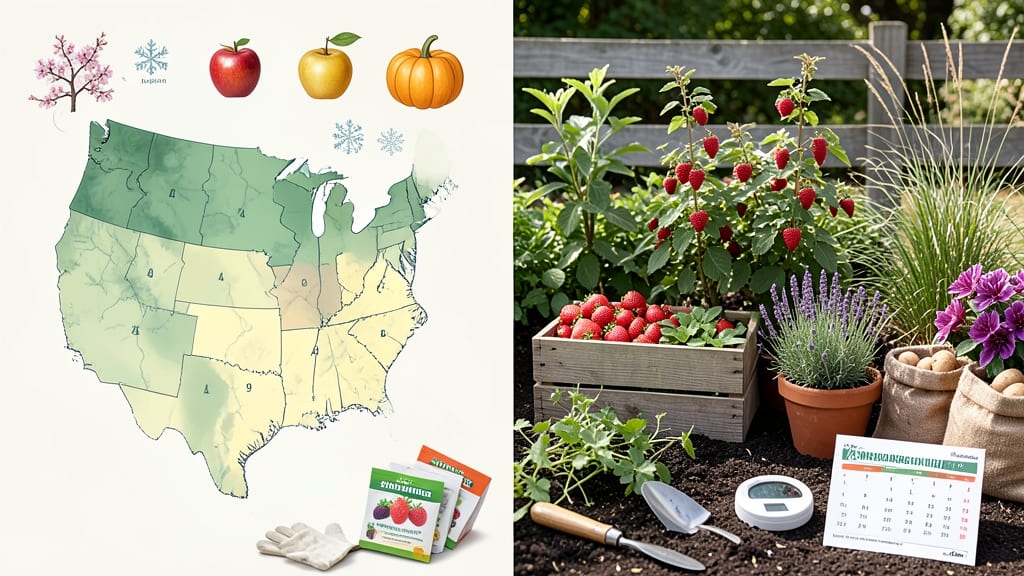
When to plant a garden in Washington State isn’t just about following a calendar—it’s about outsmarting 30-degree Pacific Northwest mornings one week and 90-degree Eastern WA heatwaves the next. Plant too early, and frost will turn your seedlings into sad, wilted souvenirs. Too late, and you’ll miss the sweet spot for harvests before the first frost creeps back in October.
With USDA Zones 5b–9a across the state, your neighbors’ planting schedule might as well be in a different country. Western Washington’s rainy springs demand cold-hardy crops like peas and kale, while Eastern WA’s dry heat thrives with heat-lovers like tomatoes and peppers.
The key? Knowing your last frost date—whether it’s March 15 in Seattle or April 15 in Yakima—and adjusting for microclimates that can shift planting windows by weeks.
I’ve spent years testing these strategies in my own garden, and the difference between a bountiful harvest and a disappointing flop often comes down to two things: planting at the right time and using simple hacks like row covers or succession planting to stretch your season.
Let me show you exactly how to nail both—so you can enjoy fresh 🌱 General Garden Vegetables & Plants from spring to fall, no matter where you are in the state.
Ready to ditch the guesswork? We’ll break down the exact deadlines for your region, plus how to tweak your schedule for indoor starts, fall planting, and even those tricky early-spring surprises. No more wasted seeds or frost-bitten dreams—just a garden that works as hard as you do.
Washington state planting zones: when to plant by last frost dates
Washington State spans USDA Hardiness Zones 6-9, creating wildly different planting windows from the coastal rainforests to the desert-like valleys of Eastern Washington. Your last frost dates can vary by 4-6 weeks between regions, so timing is everything.
In Zone 7 Seattle, you might plant tomatoes in early May, while Zone 9 Yakima gardeners can start them in late March. Let’s break down the exact dates and strategies for your microclimate.
Understanding your local frost dates is critical because cold-sensitive plants like tomatoes and peppers won’t survive even a light freeze. Meanwhile, cold-hardy crops such as kale, peas, and spinach thrive when planted 4-6 weeks before your last frost.
The key is knowing whether you’re in Western WA’s marine climate (cooler, wetter) or Eastern WA’s continental climate (hotter, drier), where frost patterns shift dramatically.
Here’s your region-specific planting timeline, including exact last frost dates and the best crops to plant for each microclimate. Use this as your garden’s roadmap to avoid frost damage and maximize yields.
If you’re in Western Washington, like Seattle or the coast, your last frost date is typically around March 15 to April 1. This means you can start cool-season crops like broccoli and peas as early as February in a greenhouse or under row covers.
For warm-season crops like tomatoes and peppers, wait until after April 15 to plant outdoors, or start seeds indoors in March for a head start.
In contrast, Eastern Washington, including Spokane and Yakima, has a later last frost date—often April 15 to May 1. This gives you a longer growing season for heat-loving plants, but it also means you must protect early seedlings from unexpected late frosts.
Use frost cloth or row covers if temperatures dip below 32°F after planting.
For fall planting, Western WA’s first frost usually arrives in mid-October, while Eastern WA sees frost as early as early October. This means you can extend your harvest by planting cold-hardy crops like kale and carrots in August.
Just be sure to use row covers to shield tender greens from early frosts.
Pro tip: Check your local weather station or use the National Weather Service’s frost prediction tools for real-time updates. Even a 5-day delay in
Microclimate hacks: how to extend your Washington garden season
Washington’s Zone 7-9 regions offer gardeners a unique opportunity to grow year-round with the right strategies. The key? Understanding how to push planting windows using simple tools and smart planning.
Whether you’re in Seattle’s damp climate or Yakima’s dry heat, these microclimate hacks will help you grow more, longer—without frost or heat stress.
Start by calculating your personal last frost date. While the average for Western WA is March 15, your local microclimate might be weeks earlier or later. Check historical weather data from the NOAA or your local Cooperative Extension office.
For example, Mount Vernon often sees frost as late as April 1, while Pullman can plant outdoors by March 1.
5 Ways to Extend Your Washington Garden Season
- Use row covers to protect seedlings from late spring frosts (e.g., Reemay fabric raises temps by 5-8°F).
- Set up cold frames for early spring starts—they can extend your season by 4-6 weeks in cooler zones.
- Plant heat-tolerant varieties like 'Heatmaster' tomatoes or 'Malaga' okra for Zone 8+ areas.
- Practice succession planting every 2-3 weeks for continuous harvests (e.g., lettuce, radishes, bush beans).
- Use drip irrigation to maintain soil moisture during Eastern WA’s dry summers.
For Zone 7+ gardeners, focus on heat-tolerant varieties like 'Solar Fire' peppers or 'Black Krim' tomatoes, which thrive in 90°F+ temps. In Western WA’s cooler zones, prioritize cold-hardy crops such as kale, spinach, and peas for early spring planting.
Even in Zone 9, late summer heat can stress plants—so mulch heavily to retain moisture.
Don’t overlook fall planting. Many gardeners miss that cool-season crops like broccoli and carrots can be sown as early as July in Zone 7. Aim for harvests before the first frost (typically October 15 in Eastern WA, November 1 in Western WA).
Use row covers again to protect late-season greens from unexpected chills.
Pro tip: Keep a gardening journal to track your personal frost dates and plant performance. Note which microclimate strategies worked best—like whether your cold frame kept spinach alive through a March frost or if drip irrigation saved your tomatoes during a July heatwave.
Over time, you’ll refine your planting schedule to match your unique corner of Washington.
With these microclimate hacks, you’ll turn Washington’s challenging growing seasons into a year-round gardening advantage. Start small—try one new method this year—and watch your garden thrive beyond the traditional planting windows. Happy growing! 🌱