
Plants
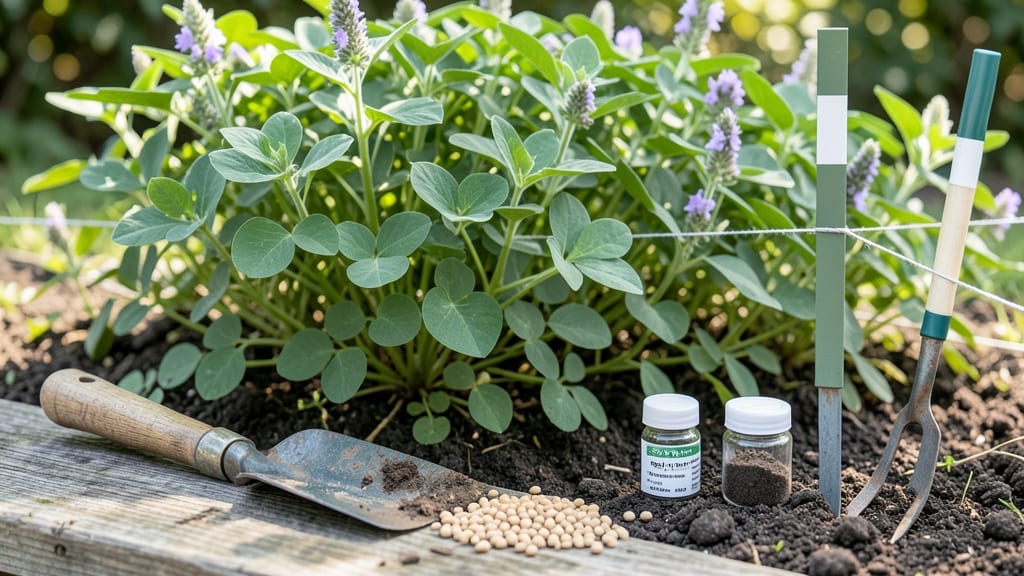
Planting alfalfa in Michigan isn’t just about throwing seeds into the ground—it’s about catching that narrow frost-free window between March and April to give your crop the best shot at thriving.
Skip the timing, and you risk stunted growth or frost damage before your 🌱 alfalfa even gets a chance to establish.
Michigan’s USDA Zones 5a-6b mean you’ve got about 150 frost-free days to work with, but those days can be unpredictable. Whether you’re a first-time gardener or a seasoned farmer, knowing exactly when to plant—down to the week—makes all the difference in avoiding common pitfalls like late frosts or soggy soil.
I’ll break down the ideal planting dates for your zone, share pro tips for adjusting to Michigan’s wild weather, and even recommend the best alfalfa varieties that hold up in our short growing season. No guesswork, just actionable steps to set your crop up for success.
Ready to turn your alfalfa dreams into a lush, productive field? Let’s get started with the timing that’ll make the difference between a flop and a flourish.
Michigan alfalfa planting dates by USDA Zone 5-6 (with frost risk analysis)
Timing is everything when planting alfalfa in Michigan’s USDA Zones 5-6, where frost can strike early or late. The optimal frost-free window for alfalfa—typically March through April—varies by 10-14 days between northern and southern Michigan.
Planting too early risks frost damage, while waiting too long may result in stunted growth before winter. Understanding your last frost date and soil temperature thresholds (ideally 45°F-50°F) is critical for successful germination.
Alfalfa seeds need consistent warmth to sprout, and Michigan’s unpredictable spring weather can throw off even the best-laid plans. In Zone 5, the average last frost date falls between May 10-15, while Zone 6 gardeners can expect frost-free conditions by April 25-May 5.
However, these dates shift yearly—always check your local National Weather Service updates before planting. For alfalfa establishment, aim to have 60-70 frost-free days before the first hard frost in fall.
Soil temperature is just as important as air temperature. Alfalfa seeds won’t germinate well below 45°F, and growth slows dramatically under 50°F. Use a soil thermometer to confirm your soil has warmed to at least 50°F before planting. In Michigan, this usually aligns with mid-to-late April in Zone 6 and early May in Zone 5. Planting too soon in cold soil can lead to rot or poor germination, wasting your seeds and effort.
Here’s a quick reference for Michigan’s alfalfa planting windows, broken down by USDA Zone and planting strategy:
| Planting Window | USDA Zone 5 | USDA Zone 6 | Soil Temp Threshold | Frost Risk |
|---|---|---|---|---|
| Early Spring (Risk-Tolerant) | Late April - Early May | Mid-April - Late April | ≥50°F | High (late frost) |
| Mid-Spring (Recommended) | Early May - Mid-May | Late April - Early May | ≥55°F | Moderate |
| Late Spring (Backup) | Mid-May - Early June | Early May - Mid-May | ≥60°F | Low |
| Late Summer (Alternative) | August 1-15 | July 25 - August 10 | ≥60°F | None (frost-free) |
*Frost risk based on 30-year averages; use row covers for early plantings.
For Zone 5 gardeners, the mid-spring window (early-to-mid May) offers the best balance between warm soil and low frost risk. If you’re eager to plant earlier, consider using row covers or a cold frame to protect seedlings from unexpected late frosts.
In Zone 6, you can push the envelope slightly earlier—late April to early May—but always monitor soil temperatures and be ready to cover plants if nighttime temps dip below 40°F.
Did you know alfalfa can also be planted in late summer (August) for a fall harvest? This secondary planting window works well in Michigan if you’re aiming for a second-cut forage before winter.
However, ensure your seeds are planted at least 6-8 weeks before the first frost (typically mid-October) to allow for root establishment. Late-summer plantings benefit from warmer soil and longer daylight, which can speed up germination and growth.
One common mistake is planting alfal
How to adjust alfalfa planting for Michigan’s unpredictable spring weather
Michigan’s spring weather can be as temperamental as a March wind, throwing off even the most experienced gardeners. Alfalfa seedlings are particularly vulnerable to late frosts, which can delay germination by weeks or worse—kill young plants before they establish.
I’ve learned the hard way that rigid planting schedules won’t cut it here; flexibility is key when working with USDA Zones 5-6 conditions.
One year, I planted my alfalfa in early April, only to watch a 28°F cold snap hit two weeks later. The seedlings survived, but their growth was stunted for the entire season.
Since then, I’ve adopted a multi-pronged approach to protect my alfalfa investments, combining seed coatings, cover crops, and backup planting windows to hedge against Mother Nature’s whims.
⚠️ callout warning ⚠️
To mitigate frost risks, I start by testing soil temperatures weekly from March onward. A simple soil thermometer ($10 at garden centers) saves me from costly mistakes. When temperatures dip below 50°F at night, I switch to seed coating techniques. Coating alfalfa seeds with a fungicide-inoculant mix (like Mycorrhizal Fungi) not only boosts germination rates but also adds a protective layer against soilborne diseases that thrive in Michigan’s damp springs.
For extra protection, I’ve had success with cover crops like clover or ryegrass planted 4-6 weeks before alfalfa. These living mulches insulate the soil, keeping temperatures stable and reducing erosion from Michigan’s unpredictable rainfall.
The clover also fixes nitrogen, giving my alfalfa a head start. Just be sure to mow down the cover crop before planting to avoid competition.
When all else fails, I keep a backup planting window in late June. While alfalfa is typically a spring crop, I’ve found that seeds sown in late June to early July still establish well, especially in southern Michigan (Zone 6b).
The trade-off? You’ll sacrifice a full first-year harvest, but the second-year yield often compensates. This strategy has saved my crop during years when spring just wouldn’t cooperate.
Finally, I monitor rainfall patterns closely. Michigan’s spring showers can turn planting beds into mud pits overnight. If your soil stays soggy for more than 3 days, wait it out—alfalfa seeds need well-drained soil to avoid rot.
A simple solution is to raise beds slightly or plant on mounds to improve drainage. In my experience, a little extra effort here pays off in stronger, healthier stands.
With these adjustments, I’ve turned Michigan’s unpredictable spring from a liability into a manageable challenge. The key is staying flexible and ready to adapt—whether that means delaying planting, adding protective layers, or having a backup plan. Your alfalfa will thank you with lush, productive growth year after year. 🌱